Post Your Needs

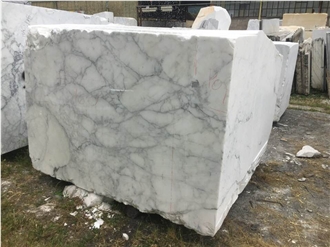
Taj Mahal Marble

White - Marble

India

About

Item Details

Material Type:
Marble
Origin:
India (Ajmer district, Rajasthan)
Primary Color(s):
White
Recommended Usage:
Exterior - Interior wall and floor applications, monuments, countertops, mosaic, fountains, pool and wall capping, stairs, window sills
Additional Names:
Pure White Taj Mahal Marble, Taj Mahal Pure White Marble, Taj Mahal Glacier White Marble, Ajmer White Marble, Marmol Taj Mahal Blanco Puro, Taj Mahal Marble
Finished Surface:
Polished, Sawn Cut, Sanded, Rockfaced, Sandblasted, Tumbled, Flamed

Description

Taj Mahal Marble is a kind of pure white calcitic marble quarried in India. This stone is especially good for Exterior - Interior wall and floor applications, monuments, countertops, mosaic, fountains, pool and wall capping, stairs, window sills and other design projects. It also called Pure White Taj Mahal Marble, Taj Mahal Pure White Marble,Taj Mahal Glacier White Marble, Ajmer White Marble,Marmol Taj Mahal Blanco Puro . Taj Mahal Marble can be processed into Polished, Sawn Cut, Sanded, Rockfaced, Sandblasted, Tumbled, Flamed and so on.

FAQ

How can I clean and shine Taj Mahal Marble countertops?

To clean and shine Taj Mahal marble countertops, follow these steps: 1. Remove any loose debris: Start by wiping away any loose dirt, crumbs, or spills on the surface with a soft cloth or paper towel. 2. Prepare a cleaning solution: Mix a few drops of mild dish soap with warm water in a bucket or spray bottle. Avoid using acidic or abrasive cleaners as they can damage the marble. 3. Wipe down the countertops: Dip a soft microfiber cloth or sponge into the soapy water mixture and gently wipe down the countertops. Ensure you cover the entire surface and focus on any areas with stains or spills. 4. Rinse with clean water: After wiping down the countertops with the soapy solution, rinse the cloth or sponge with clean water and wring it out. Then, wipe the countertops again to remove any soap residue. 5. Dry the surface: Use a dry microfiber cloth or towel to thoroughly dry the surface of the countertops. Make sure no moisture remains on the marble to avoid water spots. 6. Apply a marble sealer (optional): If you want to maintain the shine and protect the Taj Mahal countertops, consider applying a marble sealer according to the manufacturers instructions. This will help prevent stains and make cleaning easier in the future. 7. Polish the countertops: Once the surface is completely dry, you can use a marble polish specifically designed for Taj Mahal marble or a general marble polish. Apply a small amount of the polish to a soft cloth and gently buff the countertop surface in circular motions. Follow the product instructions for the best results. Remember to handle the countertops with care, avoid placing hot objects directly on them, and always use coasters or trivets to prevent scratches or etching.

How can I get scratches out of Taj Mahal Marble countertop?

While removing scratches from Taj Mahal Marble may require professional assistance, you can try the following steps to minimize their appearance: 1. Clean the countertop: Begin by wiping the countertop with a mild soap or stone cleaner and water. Make sure the surface is free from any dirt, stains, or debris. 2. Evaluate the scratch: Determine the depth of the scratch. Superficial scratches can be easier to repair compared to deeper ones. 3. Apply baking soda paste: For minor scratches, create a paste by mixing baking soda with water to form a thick consistency. Apply the paste on the scratch and gently rub it using a soft cloth or sponge in a circular motion. Rinse the area thoroughly and examine the results. 4. Sand the area (for deeper scratches): If the scratch is deep, you can try sanding the area using a fine-grit sandpaper. Wet the sandpaper and gently rub the scratch in small circular motions. Be cautious not to apply too much pressure to avoid damaging the countertop further. Rinse the area properly and evaluate the scratch. 5. Polish the surface: Once the scratches are minimized or removed, use a marble polish or rubbing compound specifically made for Taj Mahal Marble. Apply a small amount of the polish on the countertop and buff it gently using a soft cloth for a smooth and uniform finish. Note: It is crucial to test the cleaning or restoration method on a small, inconspicuous area first to ensure it doesnt cause any adverse effects or discoloration on the marble. If you are unsure about the process or dealing with deep scratches, it is recommended to consult a professional stone restoration expert for assistance.

Can I cut Taj Mahal Marble tiles myself?

It is possible to cut Taj Mahal marble tiles yourself, but it is highly recommended to hire a professional to ensure accurate and proper cutting. Taj Mahal marble is a premium-quality material that is expensive and delicate. Cutting it requires specialized tools, skills, and experience to avoid any damage or wastage. Professional stone cutters have the expertise and necessary tools to make precise cuts without compromising the quality and beauty of the marble.

Can I use Taj Mahal Marble as a table top?

Yes, Taj Mahal Marble can be a suitable material for a table top. It is known for its beauty and durability, making it an excellent choice for various applications, including table surfaces. However, it is important to note that marble is a porous material, so it requires regular sealing and maintenance to prevent staining or etching from spills and other potential damages.

Can I use Taj Mahal Marble as a cutting board?

No, it is not recommended to use Taj Mahal Marble as a cutting board. Taj Mahal Marble is a delicate and valuable material often used in construction and decorative purposes. Using it as a cutting board may damage the marble and potentially contaminate food with chemicals or substances present in the stone. It is better to use a purpose-built cutting board made from appropriate food-grade materials such as wood, bamboo, plastic, or other suitable materials.

What does vinegar do to Taj Mahal Marble countertop?

Vinegar can potentially damage a Taj Mahal marble countertop. Vinegar is an acidic substance, and prolonged exposure to acid can erode and etch the surface of marble. It is advised to avoid using vinegar or any acidic cleaning products on marble surfaces, as it can cause dullness, discoloration, and permanent damage to the stone. It is recommended to use a pH-neutral cleaner specifically designed for marble to ensure the preservation and longevity of the countertop.

Does water soak into Taj Mahal Marble countertop?

Water does not usually soak into Taj Mahal Marble countertop immediately, as it is a type of marble with a relatively low absorption rate. However, marble is a porous material, which means that over time, water can seep through the small pores and potentially cause damage or staining if not properly sealed and maintained. It is recommended to use a high-quality sealer to protect the marble surface and regularly clean up any spills or moisture.

Do wine stains come out of Taj Mahal Marble bar top?

Removing wine stains from Taj Mahal Marble bar tops can be tricky, as marble is a porous material that can absorb the pigment from the wine. However, there are steps you can take to try and remove the stain: 1. Act quickly: The longer the stain sits on the marble, the harder it will be to remove. Try to address the stain as soon as possible after it occurs. 2. Blot the stain: Use a clean, soft cloth or paper towel to blot the stain gently. Avoid rubbing the stain, as this can push it further into the marble. 3. Use a mild detergent: Mix a few drops of mild dishwashing detergent with warm water. Dampen a cloth or sponge with the solution and blot the stain. Rinse the area thoroughly with clean water and dry with a soft cloth. 4. Create a poultice: If the stain persists, you can create a poultice by mixing baking soda and water to form a paste. Apply the paste to the stain, covering it completely. Cover the area with plastic wrap and let it sit overnight. The next day, remove the paste and rinse the area. Dry it with a soft cloth. 5. Seek professional help: If the stain remains, it may be best to consult a professional stone restoration specialist who can handle more advanced stain removal techniques. Remember, marble is a delicate material, so its important to test any cleaning method in a small, inconspicuous area before proceeding with the entire stain removal process.

Do water stains come out of Taj Mahal Marble?

Water stains can be removed from Taj Mahal marble, but the effectiveness of the stain removal process may vary depending on the severity and duration of the stain. It is recommended to consult with a professional stone restoration specialist or a marble cleaning expert to determine the best method for treating water stains on Taj Mahal marble. They can assess the condition of the marble, determine the cause of the stain, and use appropriate techniques and products to remove or reduce the stains.

Is Taj Mahal Marble tile waterproof?

Taj Mahal Marble tile is not inherently waterproof as marble is a porous natural stone. However, it can be sealed using specific sealers to make it more impervious to water and stains. Regular resealing and proper maintenance are necessary to ensure its water resistance.

Products & Prices

View More

Hot White Marble

New Marble

Post Your Request

The request includes:
  1. surface finished, size
  2. quantity required