Post Your Needs

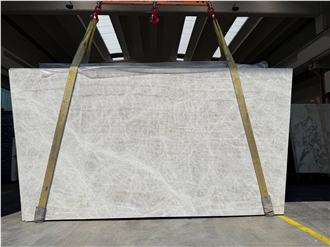
Taj Mahal Quartzite

White - Quartzite

Brazil

About

Item Details

Material Type:
Quartzite
Origin:
Brazil
Primary Color(s):
White
Recommended Usage:
Kitchen and bathroom countertops, monuments, building stone, ornamental stone, stairs, interior, exterior wall and floor applications, mosaic, waterjet pattern, wall panels, table tops, window sills, balustrades, columns, wall and pool copings, pool pavers, sculptures, fireplaces
Additional Names:
White Taj Mahal Quartzite, Taj Mahal White Quartzite, Branco Taj Mahal Quartzite, in China stone market:泰姬马哈(Tài jī mǎ hā), 镜湖春晓 (Jìng Hú Chūn Xiǎo), Taj Mahal Quartzite
Finished Surface:
Polished,Bush Hammered,Tumbled,Brushed,Honed,Split,Machine Cut,Natural Surface,Sandblasted,Acid Washing,Combed,Leathered,Water Jet,Chiseled,Pickling

Testing

Water Absorption:
< 0.1% by weight
Density:
2680 - 2720 Kg/m³
Flexural Strength:
15 MPa
Compressive Strength:
120 - 130 MPa

Description

Taj Mahal Quartzite is a stunning natural stone quarried in Brazil. It is highly regarded for its elegant appearance, resembling the famous Taj Mahal monument in India. Taj Mahal Quartzite exhibits a soft, creamy color palette with delicate veining and subtle variations that contribute to its timeless beauty.

The primary characteristic of Taj Mahal Quartzite is its creamy white base color. This warm and inviting hue creates a sense of tranquility and sophistication, making it a popular choice for both traditional and contemporary design styles. The stone often features subtle undertones of beige or light gray, adding depth and visual interest.

One of the distinguishing features of Taj Mahal Quartzite is its delicate veining. Fine, linear veins in shades of gray or taupe meander across the surface, creating a subtle movement and enhancing the overall aesthetic. The veining can be sparse and understated or more pronounced, depending on the specific slab, adding to the uniqueness of each piece.

Taj Mahal Quartzite is highly valued not only for its beauty but also for its durability. Quartzite is a natural stone formed from sandstone that undergoes intense heat and pressure, resulting in a dense and hard material. Taj Mahal Quartzite is known for its resistance to heat, scratches, and stains, making it suitable for various applications, including countertops, flooring, backsplashes, and wall cladding.

When it comes to maintenance, Taj Mahal Quartzite is relatively easy to care for. Regular cleaning with a mild soap and water solution is typically sufficient to keep the surface clean and looking its best. As with any natural stone, it is recommended to seal Taj Mahal Quartzite periodically to enhance its stain resistance and protect it from potential damage.

Taj Mahal Quartzite from Brazil exemplifies the beauty and versatility of natural stone. Its creamy white base color, delicate veining, and durability make it a favored choice for homeowners, architects, and designers seeking an elegant and timeless aesthetic reminiscent of the iconic Taj Mahal monument.

FAQ

How can I clean and shine Taj Mahal Quartzite countertops?

To clean and shine Taj Mahal Quartzite countertops, you can follow these steps: 1. Start by removing any loose debris or food particles from the surface using a soft cloth or sponge. 2. Prepare a cleaning solution by mixing a few drops of mild dish soap or a quartzite-specific countertop cleaner with warm water. 3. Dip the cloth or sponge into the cleaning solution and gently scrub the countertops in a circular motion. Avoid using abrasive scrubbers or brushes, as they can scratch the surface. 4. Rinse the countertops thoroughly with clean water to remove any soap residue. 5. Dry the countertops using a soft cloth or towel to prevent water stains or streaks. 6. To achieve a shiny finish, you can use a quartzite-specific stone polish or sealer. Apply a small amount on the countertop and buff it in using a soft cloth. Follow the manufacturers instructions for application and drying time. 7. Once the polish or sealer has dried, buff the countertops again with a dry, clean cloth to remove any excess residue and reveal a glossy shine. Remember, it is important to regularly clean and maintain your Taj Mahal Quartzite countertops to prevent staining and keep them in good condition.

How can I get scratches out of Taj Mahal Quartzite countertop?

To remove scratches from a Taj Mahal Quartzite countertop, you can try the following methods: 1. Mild Abrasives: Start by using a non-abrasive cleaner, such as a mild dish soap mixed with warm water, and a soft cloth or sponge. Gently scrub the scratched area, moving in a circular motion, and rinse it thoroughly. This might be enough to remove light scratches. 2. Baking Soda Paste: Make a paste by mixing baking soda with water until you achieve a thick consistency. Apply the paste to the scratched area and rub it gently with a soft cloth. Rinse thoroughly and dry with a clean cloth. 3. Wet Sanding: For deeper scratches, you can try wet sanding. First, clean the countertop thoroughly. Then, using a fine-grit sandpaper (around 600 or 800 grit), wet it and gently rub the scratched area in a circular motion. Keep the surface wet at all times to avoid damaging the quartzite. Rinse the surface frequently, checking the progress until the scratches fade. Finish by using a higher grit sandpaper (1000 or 1200 grit) for a smoother finish, again using a circular motion. Rinse thoroughly, dry, and polish the countertop. 4. Professional Restoration: If the scratches are too deep or extensive, it may be best to contact a professional stone restoration specialist who can evaluate the countertop and provide the necessary treatment. They have specialized tools and expertise to repair and restore the surface effectively. Remember to always test any cleaning or polishing method on a small, inconspicuous area of the countertop before applying it to the scratched surface to avoid any potential damage or discoloration.

Can I cut Taj Mahal Quartzite tiles myself?

Yes, it is possible to cut Taj Mahal Quartzite tiles yourself, but it requires proper tools and techniques. Quartzite is a very hard and dense natural stone, so it is recommended to use a wet saw with a diamond blade specifically designed for cutting stone. This will make it easier to achieve clean and precise cuts. Additionally, make sure to wear safety goggles and gloves to protect yourself while cutting. It is also advisable to practice on scrap tiles or seek professional guidance if you are not experienced in cutting stone tiles.

Can I use Taj Mahal Quartzite as a table top?

Yes, Taj Mahal Quartzite can be used as a table top. Quartzite is a durable and natural stone that is often used in countertops and table tops due to its heat resistance, scratch resistance, and durability. Just make sure to properly seal and maintain the quartzite to prevent staining and damage over time.

Can I use Taj Mahal Quartzite as a cutting board?

No, it is not recommended to use Taj Mahal Quartzite as a cutting board. Quartzite is a natural stone that is prone to scratching and chipping, which can affect its appearance and durability. Additionally, using a hard material like Quartzite can dull your knives over time. It is recommended to use a designated cutting board made of materials like wood, plastic, or bamboo for food preparation.

What does vinegar do to Taj Mahal Quartzite countertop?

Vinegar is acidic, so if used regularly or in high concentrations, it can etch and damage a Taj Mahal Quartzite countertop. The acidic nature of vinegar can react with the minerals in the quartzite, causing a dull and discolored appearance. It is recommended to avoid using vinegar or any acidic cleaners on Taj Mahal Quartzite countertops and instead opt for a pH-neutral stone cleaner specifically designed for use on quartzite.

Does water soak into Taj Mahal Quartzite countertop?

Taj Mahal Quartzite is known for being relatively porous compared to other types of quartzite. While it is more resistant to staining and water absorption than some other natural stones like marble or limestone, it is still possible for water to soak into the countertop if spills or moisture are left on the surface for an extended period. It is always advisable to promptly wipe up any liquid spills to prevent potential damage or staining. Additionally, regularly sealing the countertop can help enhance its resistance to water absorption.

Do wine stains come out of Taj Mahal Quartzite bar top?

Wine stains can be challenging to remove from any porous material, including Taj Mahal Quartzite. It is recommended to act quickly whenever a spill occurs to increase the chances of successful stain removal. To attempt removing a wine stain from a Taj Mahal Quartzite bar top, follow these steps: 1. Blot the stain immediately with a clean, white, absorbent cloth to remove as much of the liquid as possible. Avoid rubbing the stain, as it could spread or push it deeper into the stone. 2. Create a mixture of warm water and a mild detergent or stone cleaner. Gently wash the stained area with a soft cloth or sponge. Rinse the cloth frequently and change the water as needed. 3. If the stain persists, create a paste with baking soda and water, and gently scrub the stained area using a soft cloth or sponge. Baking soda acts as a mild abrasive and may help lift the stain. Rinse thoroughly with clean water. 4. If the stain is still visible, try using a specialized stone poultice or a mixture of hydrogen peroxide and a few drops of ammonia. Follow the manufacturers instructions when using commercial products, as they may have specific guidelines. 5. After treating the stained area, rinse thoroughly with clean water and dry with a soft cloth. It is important to note that Taj Mahal Quartzite is a natural stone, and the effectiveness of stain removal methods may vary depending on the specific characteristics of the stone and the severity of the stain. If the stain remains after attempting these steps, it may be necessary to seek professional help from a stone restoration specialist.

Do water stains come out of Taj Mahal Quartzite?

Water stains can be removed from Taj Mahal Quartzite with the right cleaning techniques. Heres a step-by-step guide on how to remove water stains from Taj Mahal Quartzite: 1. Prepare a cleaning solution: Mix a mild detergent or stone cleaner with warm water. Avoid using acidic or abrasive cleaners as they can damage the stone. 2. Apply the cleaning solution: Dip a soft cloth or sponge into the cleaning solution and gently rub it onto the water-stained area. Make sure to cover the entire stained area. 3. Let it sit: Allow the cleaning solution to sit on the stain for a few minutes. This will help penetrate and break down the water stain. 4. Scrub gently: Use a soft-bristle brush or non-abrasive pad to scrub the stain gently. Avoid using excessive force, as it can scratch the surface of the quartzite. 5. Rinse thoroughly: After scrubbing, rinse the area with clean water to remove any residue or cleaning solution. 6. Dry the surface: Use a clean, dry cloth to wipe the surface dry. This will help prevent new water spots from forming. If the water stain persists after the above steps, you may need to try more specialized stone cleaners or consult a professional stone specialist for further assistance. Additionally, its essential to seal Taj Mahal Quartzite regularly to prevent future water stains and maintain its natural beauty.

Is Taj Mahal Quartzite tile waterproof?

Quartzite, including Taj Mahal Quartzite, is known for its durability and resistance to water. While it is not inherently waterproof, it is highly water-resistant and can withstand water exposure without getting damaged or absorbing moisture. However, it is important to note that the tiles themselves may have seams and gaps that may allow water to seep through if not properly sealed or installed. It is recommended to use a high-quality sealer to enhance the water resistance of Taj Mahal Quartzite tiles and ensure their longevity and performance.

Customer reviews

Customer reviews

Write a Review
You**** United Arab Emirates

Good Afternoon, Where can i find technical datasheet for Taj Mahal Quartzite?

Helpful (0) 0Reply

Project Show

Taj Mahal Kitchen Countertop and Island Tops

Created: Xiamen Excellent Stone Co.,Ltd China

Taj Mahal Quartzite has a soft white background and subtle gold veins. All-natural quartzite is more durable than granite and is known for its wispy and dramatic veins like marble. This beautiful quartzite is widely used for countertops, waterfall islands, floors, and accent walls throughout the home and commercial properties. Slabs are available in brushed, honed, and polished finishes, bookmatched is also available.

Taj Mahal Kitchen Countertop and Island Tops

Products & Prices

View More

Hot White Quartzite

New Quartzite

Post Your Request

The request includes:
  1. surface finished, size
  2. quantity required