Tanzania White Marble

About
Item Details
- Material Type:
- Marble
- Origin:
Tanzania - Primary Color(s):
- White
- Recommended Usage:
- Kitchen and bathroom countertops, wash basins, building stone, ornamental stone, stairs, interior, exterior wall and floor applications, mosaic, waterjet pattern, wall panels, table tops, balustrades, columns, wall and pool copings, pool pavers, sculptures, fireplaces
- Additional Names:
- Tanzania Calacatta Marble, in China stone market:坦桑白(Tǎnsāng Bái), Tanzania White Marble
- Finished Surface:
- Polished,Bush Hammered,Tumbled,Brushed,Honed,Split,Machine Cut,Natural Surface,Sandblasted,Combed,Leathered,Water Jet,Filled,Chiseled,Pickling
Testing
- Water Absorption:
- 0.10% - 0.25% by weight
- Density:
- 2680 - 2730 Kg/m³
- Flexural Strength:
- 8 - 14 MPa
- Compressive Strength:
- 80 -120 MPa
Description
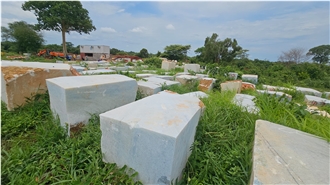
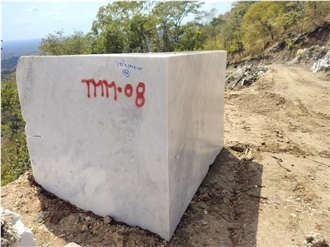
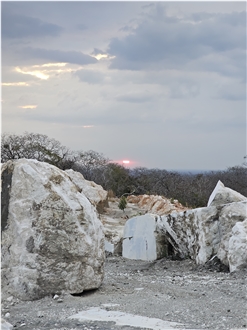
Tanzania White Marble is a luxurious natural stone known for its aesthetic appeal, featuring a pristine white background interspersed with soft grey wavy veins. This marble is quarried in Tanzania and is sought after for various architectural and design applications due to its elegant appearance.
Physical and Mechanical Properties
- Water Absorption: Around 0.10% to 0.25%
- Density: Approximately 2.68 to 2.73 g/cm³
- Flexural Strength: Typically ranging from 8 to 14 MPa
- Compressive Strength: Generally falls between 80 and 120 MPa
- Hardness: 3 to 4 on the Mohs scale
- Porosity: Low porosity, contributing to its durability
- Slip Resistance: Can vary based on surface finish, generally requires treatment for high slip resistance
Chemical and Mineral Composition (% by weight)
- Calcium Carbonate (CaCO₃): Approximately 94% to 98%
- Silica (SiO₂): 1% to 3%
- Magnesium Carbonate (MgCO₃): Trace amounts
- Iron Oxides (FeO/Fe₂O₃): Trace amounts
- Aluminum Oxide (Al₂O₃): Trace amounts
- Other Minerals: Trace amounts
Usage
- Interior Applications:
- Flooring
- Wall Cladding
- Countertops
- Decorative Panels
- Exterior Applications:
- Facades (treated for weather resistance)
- Outdoor Living Spaces
- Artistic Applications:
- Sculptures
- Ornamental Pieces
Maintenance
- Regular Cleaning: Use a pH-neutral cleaner to prevent etching and staining.
- Sealing: Regular sealing recommended to maintain its longevity and appearance.
- Polishing: Periodic polishing can help retain its luster and minimize scratches.
- Avoid: Exposure to acids and harsh chemicals to maintain surface integrity.
Cutting Sizes
- Commonly available in customized sizes depending on project needs, such as standard tiles of 30x30 cm, 60x60 cm, or slabs up to 2 cm in thickness.
- Larger slabs available, generally in thicknesses of 2 cm or 3 cm.
Surface Finish Options
- Polished: Provides a glossy, reflective look, enhancing the marble's natural color and veining.
- Honed: Offers a matte finish for a more understated, elegant appearance.
- Brushed: Creates a textured, antique look, often used for rustic designs.
- Sandblasted: Provides a rough texture, increasing slip resistance.
- Leathered: Achieves a soft, textured finish, offering a balance between polished and honed.
Tanzania White Marble's combination of beauty and durability makes it a preferred choice for premium architectural projects, offering versatility in both residential and commercial design. Its maintenance regimen, however, must be upheld to preserve its pristine appearance and structural integrity over time.
FAQ
Tanzania White Marble can be used for exterior applications in cold climates, but there are some factors to consider.
First, it is important to note that marble is a natural stone and can be more susceptible to damage compared to other materials like granite or quartzite. In cold climates, the freeze-thaw cycle can cause the marble to absorb water, which can lead to cracking or spalling over time.
To minimize the risks, it is recommended to select a Tanzania White Marble with a low water absorption rate and good frost resistance. This will ensure that the stone can withstand the freeze-thaw cycles in cold climates.
Additionally, adequate sealing and maintenance is crucial for the longevity and durability of the marble. Regular sealing will help protect the stone from moisture penetration, staining, and potential damage from freezing temperatures.
Furthermore, it is important to consider the specific application and location. For example, Tanzania White Marble can be used for exterior cladding, but it may not be ideal for high-traffic areas or heavy exposure to direct sunlight. In such cases, alternate materials like granite or quartzite may be more suitable.
Overall, while Tanzania White Marble can be used for exterior applications in cold climates, proper selection, sealing, and maintenance are key to ensuring its longevity and performance.
What is the coefficient of friction of Combed Tanzania White Marble tiles?
The coefficient of friction can vary depending on several factors, including the specific surface finish and polishing of the marble tile. Generally, smooth and polished marble tiles have a lower coefficient of friction, while rougher or textured finishes may have a higher coefficient of friction. However, without specific details about the finish and surface properties of the Combed Tanzania White Marble tiles, it is not possible to provide an accurate coefficient of friction value. It is recommended to contact the manufacturer or supplier of the marble tiles for the specific coefficient of friction information.
Can Tanzania White Marble be used in wall coverings?
Yes, Tanzania White Marble can be used in wall coverings. White marble is a popular choice for wall coverings due to its elegant and timeless appearance. It adds a touch of luxury and sophistication to any space. Whether it is used in bathrooms, kitchens, living rooms, or even as a feature wall, Tanzania White Marble can create a stunning and visually appealing effect. With proper sealing and maintenance, it can withstand the test of time and provide a beautiful and durable wall covering option.
What grade is Tanzania White Marble?
Tanzania White Marble is commonly known as a high-grade marble, often considered as premium grade due to its purity, consistent color, and high-quality aesthetic properties. It is frequently used in luxury and high-end projects as a top-grade material for countertops, flooring, and wall cladding.
Can Tanzania White Marble be used in a dining room?
Yes, Tanzania White Marble can be used in a dining room. Marble is a popular choice for interior design due to its elegance and distinctive veining patterns. Tanzania White Marble, in particular, is known for its beautiful white color and delicate gray veining, which can add a touch of luxury and sophistication to a dining room. Whether used for countertops, flooring, or even a statement dining table, Tanzania White Marble can create an elegant and timeless look.
Are there color variations of Tanzania White Marble?
I dont have access to up-to-date information on the specific types of Tanzania White Marble or their variations. However, it is possible that there may be variations in color, patterns, and veining within the Tanzania White Marble category. It is recommended to consult with a reputable supplier or expert in the field for more accurate information.
How thick is Tanzania White Marble slabs?
I dont have access to the latest information about the size of Tanzania White Marble slabs. However, rough estimates suggest that Tanzania White Marble slabs typically come in thicknesses of 2cm, 3cm, and 4cm. Its always best to check with the manufacturer or supplier for exact measurements.
Can Tanzania White Marble be used outdoors?
Yes, Tanzania White Marble can be used outdoors. It is very durable and can withstand harsh weather conditions. However, it should be properly sealed to prevent discoloration over time due to exposure to sunlight and rain.
Is Tanzania White Marble an expensive stone?
I dont have up-to-date information on pricing, but Tanzania White Marble is considered one of the higher-end marble choices and may be relatively expensive compared to other types of marble. The price of Tanzania White Marble may vary depending on factors such as availability, demand, and quality.


10YR