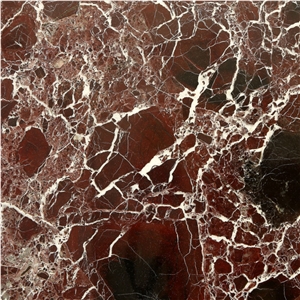
Tennessee Cedar Marble

About
Item Details
- Material Type:
- Marble
- Origin:
United States (Appalachian Ridge-and-Valley Province, Blue Ridge Mountains Cumberland Plateau, Knoxville area, East) - Primary Color(s):
- Red
- Recommended Usage:
- kitchen and bathroom countertops, wash basins, building stone, ornamental stone, stairs, interior, exterior wall and floor applications, mosaic, waterjet pattern, wall panels, table tops, balustrades, columns, wall and pool copings, pool pavers, sculptures, fireplaces, window sills
- Additional Names:
- Tennessee Marble, Tennessee Dark Rose Marble, Tennessee Fleuri Marble, Tennessee Light Rose Marble, Tennessee Rose Marble, Tennessee Red Marble, Tennessee Pink Marble, Luck Medium Rose Marble, Bond Pink Tennessee Marble, Tennessee Red Cedar Marble, Tennessee Cedar Marble
- Finished Surface:
- Polished,Bush Hammered,Tumbled,Brushed,Honed,Split,Machine Cut,Natural Surface,Sandblasted,Combed,Leathered,Water Jet,Chiseled,Pickling
Testing
- Water Absorption:
- 0.1 %
- Density:
- 2700 kg/m³
- Flexural Strength:
- 13.0 MPa
- Compressive Strength:
- 110.5 MPa
- Stone texture:
- a highly durable, crystalline natural stone quarried from the Appalachian region of East Tennessee. Famous for its rich pinkish-red to dark brown-red background and intricate veining, it is widely used in luxury architecture, monuments, and landscaping. Features an earthy blend of deep reds and browns, highlighted by web-like veins of gray, tan, and ivory
Description
Tennessee Cedar Marble is a notable variety of natural stone, renowned for its stunning aesthetic and excellent durability. Quarried in the Appalachian region of East Tennessee, particularly around Knoxville, it is often employed in luxury architecture, monuments, and landscaping due to its distinctive appearance and robust mechanical properties.
Physical and Mechanical Properties:
- Flexural Strength: 1,886 psi (13.0 MPa) — ASTM C880
- Compressive Strength: 16,029 psi (110.5 MPa) — ASTM C170
- Bulk Density: 2,700 kg/m³ (168.6 lb/ft³) — ASTM C97
- Water Absorption by Weight: 0.10% — ASTM C97
- Abrasion Resistance (Hardness): 24.82 — ASTM C241
- Hardness:Typically high, contributing to its scratch-resistant surface.
- Porosity:Generally low, enhancing durability and resistance to staining.
- Slip Resistance:Varies with finish; honed and textured finishes offer better slip resistance compared to polished ones.
Chemical and Mineral Composition:
- Calcite (Calcium Carbonate): Predominantly around 90-95%. Provides the characteristic hardness and ease of carving.
- Magnesium Carbonate:Often present in smaller quantities, contributing to the stone's density and hardness.
- Iron Oxides:Percentage: Present in trace amounts, contributing to the red coloration.
- Silica (SiO2):Percentage: Present in minor amounts, affecting the stone's texture and appearance.
Usage:
- Luxury Architecture:Used for floor tiles, wall cladding, and countertops due to its aesthetic appeal and durability.
- Monuments and Sculptures:Preferred for its workability and resistance to weathering.
- Landscaping:Utilized in outdoor settings for paths, garden walls, and water features.
Maintenance:
- Routine cleaning with a damp cloth and neutral pH cleaners.
- Avoid acidic or abrasive cleaners that could damage the surface.
- Periodic sealing may be required depending on the porosity and finish.
Surface Finish Options:
- Polished: High gloss, enhances color and pattern but may be less slip-resistant.
- Honed: Smooth with a matte finish, offering good slip resistance.
- Textured: Provides excellent slip resistance, ideal for outdoor use.
Tennessee Cedar Marble’s unique blend of physical beauty and resilient properties makes it a favored choice for high-end architectural and artistic projects. Its intricate veining and rich color palette ensure that any installation featuring this natural stone will be both visually striking and exceptionally durable.
FAQ
The United States Tennessee Cedar Marble can be used in exterior applications, including in dusty climates, with proper care and maintenance. Marble is a porous natural stone, so it can be prone to damage and staining if not properly sealed and maintained.
In very dusty climates, it is important to regularly clean the marble surface to prevent the accumulation of dust and debris. Regular dusting and wiping with a soft, damp cloth or mop is recommended. Avoid using abrasive cleaners or harsh chemicals, as they can damage the marble.
Applying a high-quality sealant to the marble surface is crucial in protecting it from moisture, dust, and stains. The sealant forms a protective barrier on the marble, making it easier to clean and maintain. It is advisable to consult a professional for the correct sealant application process and frequency of resealing in dusty climates.
Additionally, if the marble is used in exterior applications, it might be subjected to exposure to the elements, including UV rays from the sun, which can lead to fading or discoloration over time. Regular cleaning and the use of appropriate UV-protective sealants or coatings can help mitigate these effects.
Overall, while Tennessee Cedar Marble can be used in dusty climates, proper cleaning, sealing, and maintenance are necessary to ensure its longevity and appearance.
Can United States's Tennessee Cedar Marble be used in landscaping?
Yes, Tennessee Cedar Marble can be used in landscaping. Tennessee Cedar Marble is a type of marble that is known for its beautiful blend of gray, tan, and brown tones with streaks of red and pink. This unique and visually interesting stone can be used for various landscaping purposes such as walkways, patios, garden walls, retaining walls, and decorative accents.
Due to its durability and resistance to weathering, Tennessee Cedar Marble is a popular choice for outdoor applications. It can withstand the elements and maintain its beauty for many years. Additionally, its natural colors and patterns can add a touch of elegance and sophistication to any landscape design.
When using Tennessee Cedar Marble in landscaping, it is important to consider factors such as proper sealing and maintenance to ensure its longevity and preserve its appearance. Consulting with a professional landscaper or stone supplier can provide valuable guidance on using Tennessee Cedar Marble effectively in your specific landscaping project.
What is the coefficient of friction of Combed United States's Tennessee Cedar Marble tiles?
The coefficient of friction (COF) of Tennessee Cedar Marble tiles would depend on various factors such as the surface finish, polishing, and texture of the tiles. Without additional information, it is difficult to provide an accurate COF for Combed United States Tennessee Cedar Marble tiles. However, marble generally has a COF ranging from 0.4 to 0.7.
Can United States's Tennessee Cedar Marble be used in a bathroom?
Yes, Tennessee Cedar Marble can be used in a bathroom. Marble is a popular choice for bathroom applications due to its natural beauty and durability. Tennessee Cedar Marble has a unique cedar-colored veining pattern that can add a luxurious and elegant touch to any bathroom design. It is commonly used for vanity tops, shower walls, and flooring in bathrooms. However, its important to note that marble is a natural stone and can be porous, so proper sealing is recommended to protect it from moisture and staining. Regular maintenance and care are also necessary to keep the marble looking its best in a bathroom setting.
Can United States's Tennessee Cedar Marble be used outdoors?
Yes, Tennessee Cedar Marble can be used outdoors. It is a durable and weather-resistant stone that can withstand outdoor conditions. It is often used in various outdoor applications such as patio flooring, walkways, garden pathways, and exterior cladding. However, it is always essential to properly seal and maintain the stone to ensure its longevity and resistance to outdoor elements.
What grade is United States's Tennessee Cedar Marble?
I do not have information regarding the grading system used for Tennessee Cedar Marble in the United States. Please provide more context or specify your query.
How thick is United States's Tennessee Cedar Marble slabs?
I do not have access to real-time information. However, Tennessee Cedar Marble slabs can vary in thickness depending on the manufacturer and the specific order. Typical thicknesses can range from 1 cm to 3 cm. Its best to contact a supplier for specific details on thickness options.
Are there color variations of United States's Tennessee Cedar Marble?
I do not have access to information about the variations of Tennessee Cedar Marble. However, marble is a natural stone, and it is possible for there to be color variations depending on the location where it was quarried and the specific geological conditions in that area. It is advised to consult with a trusted stone supplier for more information.
Is United States's Tennessee Cedar Marble an expensive stone?
I dont have access to real-time market prices of the Tennessee Cedar Marble stone. However, marble is generally considered an expensive natural stone due to its rarity, beauty, and difficulty in extracting and processing. The Tennessee Cedar Marble is known for its unique blend of brown, gray, and gold veins, making it a popular choice for construction and decor. The market price of this stone may vary depending on factors like size, quality, source, supply, and demand. Its best to consult with a professional stone supplier or check with the local market for current prices.