Post Your Needs

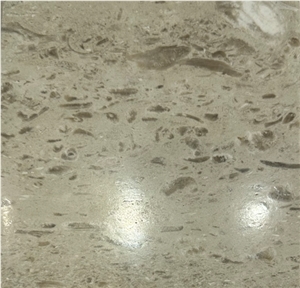
Texas Grey Marble

Marble

Turkey

About

Item Details

Material Type:
Marble
Origin:
Turkey
Recommended Usage:
Kitchen and bathroom countertops, wash basins, building stone, ornamental stone, stairs, interior, exterior wall and floor applications, mosaic, waterjet pattern, wall panels, table tops, balustrades, columns, wall and pool copings, pool pavers, sculptures, fireplaces
Additional Names:
Moca Gray Marble, Texas Grey Limestone, Texas Gray Marble, Dezhou Grey Marble, in China stone market:德州灰 (Dézhōu Huī), Texas Grey Marble
Finished Surface:
Polished,Bush Hammered,Tumbled,Brushed,Honed,Split,Machine Cut,Natural Surface,Sandblasted,Combed,Leathered,Water Jet,Filled,Chiseled,Pickling

Testing

Water Absorption:
0.2–0.3%
Density:
2670 Kg/m³
Flexural Strength:
13–16 MPa
Compressive Strength:
110–130 MPa

Description

Texas Grey Marble is a refined and elegant natural stone quarried in Turkey. It features a light-colored background, blending tones of off-white, light gray, and cream with delicate gray and black specks and subtle beige accents. The marble’s grainy, speckled texture and occasional faint linear veins provide a sense of natural movement and visual depth, giving it a timeless and versatile appeal for architectural and design applications.

Texture and Pattern:

Texas Grey Marble has a fine- to medium-grained crystalline structure, with both uniform speckling and occasional irregular inclusions that enhance its natural aesthetic. The surface appears soft and balanced, suitable for both modern and classical design styles.

Physical and Mechanical Properties (Typical Values):

  • Bulk Density: 2.67 g/cm³
  • Compressive Strength: 110–130 MPa
  • Flexural Strength: 13–16 MPa
  • Water Absorption: 0.2–0.3%
  • Abrasion Resistance: 18–22 mm³
  • Mohs Hardness: 3–4

Chemical Composition (% by weight):

  • CaCO₃ (Calcium Carbonate): 95–97%
  • MgCO₃ (Magnesium Carbonate): 1–2%
  • SiO₂ (Silica): 0.5–1.2%
  • Fe₂O₃ (Iron Oxide): 0.2–0.4%
  • Al₂O₃ (Aluminum Oxide): 0.1–0.3%

Usage:

Texas Grey Marble is ideal for interior flooring, wall cladding, vanity tops, bathroom applications, fireplace surrounds, and decorative elements. It can also be used for exterior façades in moderate climates due to its durability and low porosity.

Maintenance:

Regular cleaning with a neutral pH stone cleaner and periodic sealing is recommended to maintain its color and protect it from staining. Avoid acidic or abrasive products that can dull the surface.

FAQ

How can I clean Texas Grey Marble mosaic tiles?

Cleaning Texas Grey Marble mosaic tiles requires some care to avoid damaging the stone. Here’s a step-by-step guide to help you clean them safely: 1. **Gather Supplies:** - Soft microfiber cloths or mop - pH-neutral stone cleaner or a mild dish soap - Warm water - Bucket - Soft-bristle brush or sponge - Towels for drying - Baking soda (for spot cleaning if necessary) 2. **Prepare the Cleaning Solution:** - Mix a small amount of pH-neutral stone cleaner or mild dish soap with warm water in a bucket. Avoid using acidic or alkaline cleaners as they can etch the marble surface. 3. **Dust and Sweep:** - Begin by thoroughly dusting or sweeping the floor to remove any loose dirt or debris that could scratch the marble when you start cleaning. 4. **Mopping or Wiping:** - Use a soft microfiber mop or cloth dampened with the cleaning solution. Work in small sections and avoid saturating the tiles with water. - For mosaic tiles on walls, use a soft cloth or sponge to wipe them gently. 5. **Scrubbing Grout Lines:** - If necessary, use a soft-bristle brush or sponge to gently scrub the grout lines between the tiles. Avoid using hard or metal brushes as they can scratch the marble. 6. **Rinsing:** - Rinse the cloth or mop in clean water and go over the tiles again to remove any soap residue. 7. **Spot Cleaning Stains:** - For tougher stains, create a paste with baking soda and water, apply it to the stain, and let it sit for a few hours or overnight. Then gently scrub and rinse thoroughly. 8. **Drying:** - Immediately dry the tiles with clean towels to prevent water spots or mineral deposits. Marble is porous, and standing water can cause damage over time. 9. **Sealing (if necessary):** - Check if your marble tiles need sealing. If they do, apply a marble sealant as recommended by the manufacturer to help protect the surface in the future. 10. **Regular Maintenance:** - Regularly dust and clean with a damp cloth to prevent dirt buildup. Address spills immediately to avoid staining. By taking these cautious steps, you can maintain the beauty and integrity of your Texas Grey Marble mosaic tiles.

How can I clean the grout of Texas Grey Marble wall tiles?

Cleaning the grout of Texas Grey Marble wall tiles requires special care to avoid damaging the tiles. Heres a step-by-step guide: 1. **Gather Supplies:** - Mild pH-neutral cleaner or a specifically formulated marble cleaner. - Soft-bristle brush or old toothbrush. - Soft, damp cloth or sponge. - Dry microfiber cloth. - A small bucket or container for mixing. - Optional: Baking soda, hydrogen peroxide for tougher stains. 2. **Prepare the Cleaning Solution:** - For everyday cleaning, mix a small amount of pH-neutral cleaner with warm water in a container. - Make sure to follow the manufacturers directions for diluting the cleaner. 3. **Test in an Inconspicuous Area:** - Before applying the cleaner to the entire area, test it on a small, hidden section of grout to ensure it doesn’t discolor or damage the tiles or grout. 4. **Apply the Cleaner:** - Dip the soft-bristle brush or toothbrush into the cleaning solution. - Gently scrub the grout lines using circular motions. Avoid scrubbing the marble surface aggressively. 5. **Rinse the Area:** - After scrubbing, use a damp cloth or sponge to wipe away the cleaner and any loosened dirt. - Rinse the cloth or sponge frequently to ensure you’re not spreading dirt back onto the tiles. 6. **Dry the Tiles:** - Use a dry microfiber cloth to thoroughly dry the grout and tiles to prevent water spots and avoid slip hazards. 7. **Tackle Stubborn Stains:** - For tougher stains, make a paste with baking soda and water. Apply it to the stains and let it sit for a few minutes before gently scrubbing. - Alternatively, use a solution of equal parts water and hydrogen peroxide for stained grout, but avoid letting this solution sit on the marble as it can etch or damage the surface. 8. **Seal the Grout:** - Consider applying a grout sealer once the area is clean and dry. This will help protect the grout from future stains and damage. 9. **Regular Maintenance:** - Clean the grout and tiles regularly with a pH-neutral cleaner to prevent dirt build-up. - Quickly wipe up spills to prevent stains and damage to both the grout and the marble tiles. Always remember to avoid acidic or abrasive cleaners when dealing with marble, as they can scratch or etch the delicate surface.

What is the common thickness of the Texas Grey Marble window sills?

The common thickness for Texas Grey Marble window sills typically ranges from 3/4 inches (approximately 2 centimeters) to 1 1/4 inches (approximately 3 centimeters). However, the exact thickness can vary based on supplier, project specifications, and personal preference. Its always a good idea to check with your supplier or fabricator for the specific options they offer.

How can I fix a broken veined Texas Grey Marble wash basin?

Fixing a broken veined Texas Grey Marble wash basin involves several steps, depending on the extent of the damage. Here’s a general guide to help you repair it: 1. **Assess the Damage:** - Determine the extent of the breakage. Is it a crack, a chip, or a complete break? This will decide the approach you take. 2. **Clean the Basin:** - Thoroughly clean the damaged area with mild soap and water to remove dirt, oils, and debris. Dry it completely with a soft cloth. 3. **Gather Materials:** - Youll need epoxy resin, a colorant to match the marble, a mixing stick, a putty knife or spatula, sandpaper (fine grit), and polishing compound. 4. **Prepare the Epoxy:** - Mix the epoxy resin according to the manufacturer’s instructions. If the marble has distinctive veining, you may want to add colorant to the epoxy to match the veining pattern. 5. **Apply the Epoxy:** - For small cracks, use a fine nozzle to carefully inject the epoxy into the crack. For larger breaks, apply the epoxy to both surfaces that need bonding. Ensure the epoxy fills the gap completely. 6. **Join the Pieces:** - Gently press the broken pieces together. Align them as precisely as possible to ensure a seamless repair. Hold them in place with clamps if necessary and let it cure as per the epoxy’s instructions. 7. **Remove Excess Epoxy:** - Once the epoxy has cured, use a razor blade or a putty knife to carefully scrape off any excess epoxy. 8. **Sand the Surface:** - Lightly sand the repaired area with fine-grit sandpaper until smooth and level with the surrounding surface. 9. **Polish the Surface:** - Use a marble polishing compound to buff the repaired area, restoring its shine and blending it with the rest of the basin. 10. **Seal the Marble:** - If necessary, apply a marble sealer to the entire basin to protect it from future damage. 11. **Regular Maintenance:** - Avoid harsh chemicals and use non-abrasive cleaners to maintain the integrity of the marble. If the damage is extensive or if you are not confident in performing the repair yourself, it may be best to consult a professional stone restoration service. They have the expertise to repair the marble without compromising its aesthetic or structural integrity.

If I use Texas Grey Marble around a swimming pool, will the water chemicals affect its color?

Using Texas Grey Marble around a swimming pool can be a beautiful choice, but it’s important to consider the potential effects of pool water chemicals on the stone. Marble is a natural stone and is more porous and softer compared to other stones like granite, making it susceptible to etching and staining from chemicals commonly found in pool water, such as chlorine and other sanitizers. 1. **Chemical Sensitivity**: Continuous exposure to pool water and its chemicals can lead to the deterioration of the marble surface. Chlorine can cause fading or discoloration over time. Acids used in cleaning and maintenance can also etch the marble. 2. **Sealing**: To help mitigate these effects, its crucial to properly seal the marble. A good-quality penetrating sealer can provide some level of protection against absorption of water and chemicals, although it will not make the marble completely impervious. 3. **Maintenance**: Regular maintenance is vital. Clean spills immediately, and rinse the marble with fresh water to minimize the effect of chemicals. Periodically reapply the sealer as recommended by the manufacturer to maintain protection. 4. **Alternative Materials**: If youre concerned about potential damage from pool chemicals, consider alternative materials that are more resistant to chemical exposure, such as porcelain tiles or natural stones like granite or travertine. Ultimately, while Texas Grey Marble can be affected by pool chemicals, careful selection of cleaning products, regular maintenance, and proper sealing can help preserve its appearance. Always consult with a stone professional for advice specific to your installation and location.

Can I use Texas Grey Marble as a fireplace hearth? Is it durable enough to withstand heat?

Texas Grey Marble can be used as a fireplace hearth, but there are some considerations to keep in mind. Marble is generally heat resistant, making it suitable for use in areas exposed to heat, such as fireplace hearths. However, marble is also a relatively soft stone compared to other natural stones like granite, and it can be prone to scratching, chipping, or staining. For a fireplace hearth, durability in terms of heat is usually not an issue, but youll need to be cautious about potential physical damage from logs, tools, or heavy objects. Additionally, marble can be more susceptible to staining if exposed to soot or ash, so regular cleaning and maintenance will be necessary to preserve its appearance. If youre determined to use Texas Grey Marble, consider sealing it to help resist stains and increase its longevity. If you’re looking for a more durable option, you might want to explore other materials like granite or engineered stone that can offer increased durability while still providing an attractive finish. Its also a good idea to consult with a professional installer familiar with the material to ensure that it is used and maintained properly.

Products & Prices

Hot Marble

New Marble

Post Your Request

The request includes:
  1. surface finished, size
  2. quantity required