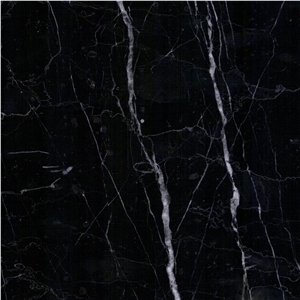
Thai Galaxy Dust Marble features a muted olive-green to greyish-beige background with dense diagonal striations and fine fibrous textures flowing across the surface. Its subdued, earthy palette and closely spaced linear markings create a layered, directional appearance reminiscent of flowing fibers or mineral-rich sediment. Quarried in Thailand, this marble offers a distinctive natural look for contemporary and classic architectural projects. Color intensity, striation density, and pattern direction may vary from slab to slab.
Texture & Structure
Thai Galaxy Dust Marble is characterized by a dense, linear pattern with fine, closely spaced streaks running diagonally across the surface. Its visual texture may appear fibrous, layered, or subtly clouded, depending on the mineral distribution and cut direction. A polished finish can emphasize the depth and tonal variations, while a honed finish creates a softer, more understated appearance. Natural veins, fissures, and variations in structural integrity should be checked before fabrication and installation.
Technical Characteristics & Test Results
No verified laboratory report is available for Thai Galaxy Dust Marble. The following values are indicative reference ranges for comparable marble, not confirmed test results for this specific stone.
- Apparent density: 2,690–2,750 kg/m³
- Water absorption by weight: 0.3–0.5%
- Open porosity: 0.3–2.0%
- Compressive strength: 90–120 MPa
- Flexural strength: 11–15 MPa
- Mohs hardness: 3–4
- Abrasion resistance: Depends on mineral composition and finish
Actual values should be confirmed through laboratory testing of representative samples from the quarry.
Chemical & Mineralogical Composition
The exact chemical and mineralogical composition of Thai Galaxy Dust Marble has not been verified. The muted green, grey, and beige tones may be associated with variations in carbonate minerals and minor silicate or iron-bearing minerals.
Indicative chemical composition by weight
- Calcium carbonate (CaCO₃): 80–95%
- Magnesium carbonate (MgCO₃): 1–15%
- Silicon dioxide (SiO₂): 0.5–5%
- Iron oxides (Fe₂O₃ and FeO): 0.1–2%
- Aluminum oxide (Al₂O₃): 0.1–1%
- Other components: Trace amounts
Indicative mineral composition by weight
- Calcite: 70–95%
- Dolomite: 0–20%
- Quartz and other silicate minerals: 0–5%
- Iron-bearing and other accessory minerals: Trace to minor amounts
These ranges are general estimates for comparable carbonate stones, not measured values for this material. X-ray fluorescence (XRF) and X-ray diffraction (XRD) analyses are needed to determine its actual composition.
Recommended Usage
- Interior flooring and decorative floor patterns
- Feature walls and interior wall cladding
- Hotel lobbies, reception areas, and commercial interiors
- Bathroom walls and vanity tops
- Kitchen backsplashes and selected countertop applications
- Staircases, steps, and risers
- Tabletops and decorative furniture
- Fireplace surrounds
- Mosaics and waterjet-cut decorative panels
- Columns and architectural details
For wet areas and high-traffic flooring, confirm slip resistance, abrasion resistance, and water absorption for the selected finish. Exterior applications should be assessed for weathering and freeze-thaw resistance before installation.
Maintenance
- Clean with a soft cloth or mop and a pH-neutral stone cleaner.
- Avoid vinegar, lemon juice, acidic cleaners, and abrasive products.
- Apply a suitable penetrating stone sealer and maintain it according to the manufacturer's recommendations.
- Wipe up oils, coffee, wine, and other staining substances promptly.
- Use protective pads and cutting boards on countertops and tabletops.
- Avoid dragging heavy objects over polished surfaces.
- Inspect natural veins and possible fissures before fabrication and installation.
- Use qualified stone fabricators to reduce the risk of chipping or damage along the linear patterns.


 Thailand

 Italy

 Turkey


 Spain

 India


 Greece


 Iran