Post Your Needs

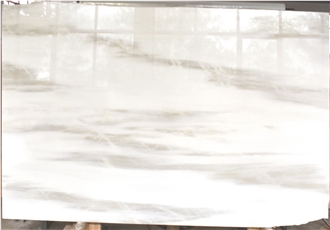
Thassos Vein Marble

White - Marble

Greece

About

Item Details

Material Type:
Marble
Origin:
Greece (Thassos Island, Kavala, East Makedonia, North - East Greece)
Primary Color(s):
White
Recommended Usage:
kitchen and bathroom countertops, stairs, building stone, ornamental stone, interior, exterior wall applications, mosaic, waterjet pattern
Additional Names:
Assos Marble, Assos White Marble, Thassos White Marble, Assos Marble, Thassos Marble, Assos Marble, Thassos VC Marble, Thassos Vein Marble
Finished Surface:
Polished,Bush Hammered,Tumbled,Brushed,Honed,Split,Machine Cut,Natural Surface,Sandblasted,Acid Washing,Combed,Leathered,Water Jet,Filled,Chiseled,Pickling

Testing

Water Absorption:
0.15 % by wt
Density:
2840 kg/m3
Flexural Strength:
16 MPa
Compressive Strength:
113 MPa

Description

Thassos Vein Marble is a prestigious dolomitic marble famous for its elegant ivory white appearance and subtle cream-colored veining. Quarried from Thassos Island in Kavala, East Macedonia, North-East Greece, it is known for its pure, clean aesthetic. This marble is highly celebrated for both modern and classic interior designs due to its timeless beauty and serene appearance.

Physical and Mechanical Properties:

  • Water Absorption: 0.15% by weight
  • Density: 2840 kg/m³
  • Flexural Strength: 16 MPa
  • Compressive Strength: 113 MPa
  • Hardness: Typically, marble has a hardness of 3 on the Mohs scale.
  • Porosity: Generally low, contributing to its durability.
  • Slip Resistance: Varies depending on the surface finish; polished finishes have lower slip resistance compared to honed or textured finishes.

Chemical and Mineral Compositions (% by weight):

  • Calcium Carbonate (CaCO3): A predominant component, typically around 95%-98%.
  • Dolomite (CaMg(CO3)2): Present due to the dolomitic nature of the marble.
  • Trace Elements and Minerals: Includes small quantities of quartz, mica, and other minerals.

Usage:

  • Interior Applications: Ideal for flooring, wall cladding, kitchen countertops, and bathroom vanities.
  • Exterior Applications: Suitable for light traffic exterior areas, but careful consideration of slip resistance is required.
  • Decorative Items: Used in sculptures, decorative tiles, and architectural elements.

Maintenance:

  • Regular Cleaning: Use pH-neutral cleaners to maintain its pristine appearance.
  • Sealing: Recommended to protect from stains, especially in high-traffic or moisture-prone areas.
  • Avoid Harsh Chemicals: Abrasive cleaners can dull the surface; instead, opt for gentle cleaning solutions.

Cutting Sizes (cm) and Customization:

  • Standard Tiles: Common sizes include 30x30 cm, 60x60 cm, and 30x60 cm.
  • Slabs: Typically available in dimensions sufficient for big projects; custom sizes available upon request.

Surface Finish Options:

  • Polished: High gloss finish that enhances the marble’s color and veining for a sophisticated look.
  • Honed: A satin-smooth finish with a muted luster, less slippery than polished.
  • Brushed: Provides a slightly textured finish, offering increased slip resistance.
  • Bush-Hammered: A rough, textured surface ideal for outdoor uses.
  • Sandblasted: A subtle texture achieved for a matte surface finish.

Thassos Vein Marble is a symbol of luxury and sophistication, offering versatility for various design aesthetics. Its physical properties, combined with its unique and subtle appearance, make it a prevalent choice among architects and interior designers seeking elegance and timelessness. Regular maintenance will ensure its beauty and functionality for years to come.

  • Open Porosity (DIN 52102 / EN 1936): 0.43% vol
  • Dynamic Modulus of Elasticity (DIN 1048 Part 5): 30 GPa
  • Compressive Strength After Frost (DIN 52104 & 52105 / EN 12371 & 1926): 81 MPa
  • Friction Wear (DIN 52108): 3.33 mm

FAQ

Are there color variations of Greece's Assos Marble?

Yes, there are color variations of Greeces Assos Marble. Assos Marble is characterized by a white background with grey or beige veining. However, the intensity and patterns of the veining can vary, resulting in different color variations. Some variations may have more pronounced grey veining, while others may have softer beige veining. Additionally, the overall tone of the marble can vary from bright white to slightly off-white or cream. These color variations are natural and add to the uniqueness and beauty of Assos Marble.

Can Greece's Assos Marble be used in landscaping?

Yes, Greeces Assos Marble can be used in landscaping. Assos Marble is known for its white background with grey veins and it is often used for various architectural and construction purposes, including landscaping. It can be used for pathways, patios, retaining walls, garden borders, outdoor steps, and other landscaping features. Additionally, its elegant and classic appearance adds a touch of sophistication to outdoor spaces.

Can Greece's Assos Marble be used outdoors?

Yes, Greeces Assos Marble can be used outdoors. It is a highly durable and weather-resistant material, making it suitable for various outdoor applications such as paving, cladding, and landscaping. Its natural beauty and unique veining patterns also make it a popular choice for outdoor sculptures, fountains, and architectural features. However, it is important to note that regular maintenance and sealing may be required to preserve the marbles appearance and protect it from potential weathering or staining.

Can Greece's Assos Marble be used in a bathroom?

Yes, Greeces Assos Marble can be used in a bathroom. It is a durable and versatile natural stone that is often used in various applications, including bathrooms. It can be used for bathroom countertops, vanities, shower walls, and flooring. However, it is important to note that marble is a porous material and may require regular maintenance and sealing to prevent staining and damage from moisture in a bathroom environment.

Can Greece's Assos Marble be used exterior applications in very humid climates?

Yes, Greeces Assos Marble can be used for exterior applications in very humid climates. This marble is known for its durability and ability to withstand various weather conditions. It has a low water absorption rate, which makes it resistant to moisture and suitable for outdoor use. However, proper installation and maintenance are essential for any natural stone in humid climates to prevent potential damage or discoloration over time.

How thick is Greece's Assos Marble slabs?

I do not have access to up-to-date information or data about specific marble slabs. However, the thickness of marble slabs can vary according to the type and manufacturer. It would be best to consult with a marble retailer or manufacturer for accurate information.

What grade is Greece's Assos Marble?

I do not have the latest information on this topic. However, Assos Marble is generally considered to be of high quality and suitable for a variety of applications. Its grade may depend on factors such as its color, pattern, texture, and durability.

Is Greece's Assos Marble an expensive stone?

I dont have access to real-time market data to provide a specific answer. However, in general, Assos Marble is considered a high-end and premium quality marble, and its price varies depending on various factors such as its grade, quality, production location, and supply and demand. It can be relatively expensive compared to other types of marble.

Products & Prices

View More

Hot White Marble

New Marble

Post Your Request

The request includes:
  1. surface finished, size
  2. quantity required