Post Your Needs

Tianbao Blue Marble

Marble

China

About

Item Details

Material Type:
Marble
Origin:
China (Jingdezhen City, Jiangxi Province)
Recommended Usage:
kitchen and bathroom countertop, wash basins, building stone, ornamental stone, stairs, interior, exterior wall and floor applications, mosaic, water-jet pattern, wall panels, table tops, balustrades, columns, wall and pool copings, pool pavers, sculptures, fireplaces, window sills
Additional Names:
Light Tianbao Blue Marble, China Blue Sky Marble, China Sky Blue Marble, in China stone market:天宝蓝 (Tiān Bǎo Lán)
Finished Surface:
Polished,Bush Hammered,Tumbled,Brushed,Honed,Split,Machine Cut,Natural Surface,Sandblasted,Combed,Leathered,Water Jet,Chiseled,Pickling

Testing

Water Absorption:
0.10–0.40% by weight
Density:
2680 - 2720 kg/m³
Flexural Strength:
9 - 13 MPa
Compressive Strength:
90 - 110 MPa

Description

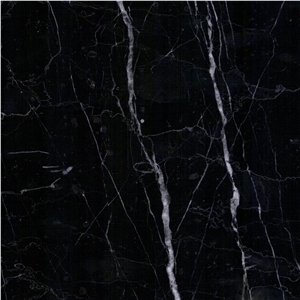
Tianbao Blue Marble (天宝蓝) is a cool-toned natural marble quarried in China, featuring a soft light grey-blue to pale icy-blue background with subtle lavender and lilac undertones. Its delicate white-to-light-grey veining forms an irregular, fine network across the surface, creating a calm and sophisticated appearance. The relatively fine-grained structure and restrained pattern make it suitable for contemporary luxury interiors.

General Characteristics

  • Base Color: Pale blue, icy blue and light grey-blue
  • Secondary Colors: Pale lavender, lilac and soft grey
  • Veining: Fine white to light-grey veins
  • Pattern: Irregular, network-like and delicate
  • Grain: Fine-grained
  • Texture: Smooth, compact and crystalline
  • Appearance: Elegant, calm and understated
  • Variation: Low to medium

Texture

Tianbao Blue Marble has a relatively fine and uniform crystalline texture. The surface is generally compact, with small mineral grains that are not visually dominant. Its restrained texture allows the pale blue background and delicate veining to remain the primary visual features. Depending on the finish, subtle crystalline structures may become more apparent.

Pattern & Veining

The stone's main characteristic is its delicate network-like veining. Pale icy-blue to grey-blue background Subtle lavender or lilac undertones Fine white veins Light-grey secondary veins Irregular branching and interconnected patterns Limited visual movement compared with strongly veined marbles The pattern can vary between blocks, with some slabs showing more pronounced veining than others.

Physical & Mechanical Properties

Because commercial Chinese marble varieties can vary between quarry areas and blocks, the following values are indicative ranges and should be replaced with certified laboratory results for the selected material.

  • Apparent Density: 2,680–2,720 kg/m³
  • Water Absorption: 0.10–0.40% by weight
  • Open Porosity: 0.2–2.0%
  • Compressive Strength: 90–100 MPa
  • Flexural Strength: 9–13 MPa
  • Mohs Hardness: Approx. 3–4
  • Abrasion Resistance: Moderate

Indicative Mineral Composition

MineralApprox. % by Weight

  • Calcite: 85–95%
  • Dolomite: 1–6%
  • Quartz: 1–5%
  • Feldspar: 0.5–3%
  • Mica / Phyllosilicates: 0.5–3%
  • Other Accessory Minerals: <2%

The actual mineral composition may vary considerably depending on the quarry zone.

Indicative Chemical Composition

Chemical Component, Approx. % by Weight

  • CaCO₃: 85–95%
  • MgCO₃: 1–6%
  • SiO₂: 1–5%
  • Al₂O₃: 0.1–2%
  • Fe₂O₃: 0.05–1%
  • Other Oxides: <2%
  • Loss on Ignition (LOI): Approx. 40–44%

These are indicative values for database description purposes and are not a certified chemical analysis of every Tianbao Blue block.

Recommended Applications

Tianbao Blue Marble is particularly suitable for premium interior applications: Interior wall cladding, Feature walls, Bookmatched wall panels, Luxury flooring, Bathroom walls, Bathroom vanities, Kitchen countertops, Kitchen islands, Reception desks, Hotel interiors, High-end residential interiors, Fireplace surrounds, Staircases, Columns, Decorative panels, Furniture, Coffee and dining tables, Mosaics, Waterjet designs, Luxury retail interiors

For kitchen and bathroom applications, proper sealing and maintenance are recommended.

Maintenance

Tianbao Blue Marble should be maintained as a calcium-carbonate-based natural stone.

  • Use a pH-neutral stone cleaner for routine cleaning.
  • Avoid vinegar, lemon, acidic detergents and other acid-based cleaners.
  • Avoid abrasive powders and harsh scouring pads.
  • Wipe coffee, wine, oils and other staining substances promptly.
  • Seal countertops, vanities and other susceptible surfaces with a suitable marble sealer.
  • Use cutting boards and trivets in kitchen applications.
  • Periodically inspect and renew the protective sealer as required.
  • Avoid placing acidic food or liquids directly on unsealed surfaces.

FAQ

Is Tianbao Blue Marble a suitable choice for facades in cold winter climates?

Tianbao Blue Marble can be considered for facades in cold winter climates, but it is important to evaluate its specific properties and suitability for such conditions. When selecting a marble for exterior use, especially in cold climates, several factors should be taken into account: 1. **Porosity and Water Absorption:** Marble is a natural stone that can absorb moisture. In cold climates, water absorbed by the stone can freeze and expand, potentially causing damage. Checking the porosity and water absorption rate of Tianbao Blue Marble is essential to determine its freeze-thaw resistance. 2. **Durability and Hardness:** The durability and hardness of the marble will affect its performance under harsh weather conditions. A denser and more durable stone is preferable for withstanding temperature variations and weathering. 3. **Finish and Maintenance:** The finish applied to the marble, such as honed or polished, can impact its resistance to weather elements. Additionally, regular maintenance, including sealing, might be required to protect the marble from moisture and stains. 4. **Installation and Engineering:** Proper installation and engineering practices, including good drainage and allowance for thermal expansion, are critical to ensure the long-term performance of marble facades. Before making a decision, it is advisable to consult with architects, engineers, or stone experts familiar with local climate conditions and to request technical specifications and test reports for Tianbao Blue Marble. They can provide insights into its suitability and required maintenance to ensure its durability and longevity in cold climates.

Is Tianbao Blue Marble mosaic flooring slippery for bathroom use?

Tianbao Blue Marble mosaic flooring can be a beautiful choice for a bathroom, but whether it is slippery depends on a few factors. Marble is a natural stone that generally has a smooth surface, which can become slippery when wet. However, since you are considering a mosaic design, the multitude of grout lines in a mosaic floor can provide additional grip and reduce slipperiness compared to larger marble tiles. Here are some considerations to make your bathroom safer with this type of flooring: 1. **Finish**: If possible, choose a honed or textured finish rather than a polished one, as this can be less slippery. 2. **Grout Lines**: The pattern and number of grout lines in a mosaic can improve traction, so the small pieces typical in mosaics generally offer better slip resistance compared to larger slabs. 3. **Sealing**: Proper sealing of marble is crucial to prevent water absorption which can lead to increased slipperiness and staining. 4. **Rugs or Mats**: Use non-slip bath mats in high-risk areas, such as in front of the shower or tub, to provide extra traction. 5. **Maintenance**: Regular cleaning to prevent soap or mildew buildup can help maintain the surfaces traction. If you have concerns about slipperiness, discuss with a flooring expert or contractor who can provide guidance tailored to your specific bathroom conditions and suggest ancillary treatments or products to enhance safety.

How can I repair the scratched surface of the Tianbao Blue Marble countertop?

Repairing a scratched Tianbao Blue Marble countertop involves several careful steps to restore its appearance. While marble can be quite delicate, minor repairs are possible. Heres a general guide to help you address scratches: 1. **Assess the Damage**: - Determine the severity of the scratches. Light, superficial scratches can often be dealt with at home, but deeper ones might require professional attention. 2. **Clean the Surface**: - Start by cleaning the countertop using a mild pH-neutral dish soap diluted in water. Remove all dirt and debris to ensure the scratch is clearly visible and accessible for repair. - Rinse with clean water and dry with a soft cloth. 3. **Dampen the Area**: - Use a damp cloth to slightly moisten the area around the scratch. This helps in the application of polishing compounds. 4. **Use Marble Polishing Powder**: - For light scratches, apply a small amount of marble polishing powder (available at hardware or stone supply stores) to the area. - Follow the manufacturers instructions closely. Usually, this involves sprinkling the powder on the damp surface and rubbing it in with a damp cloth or a buffing pad in a circular motion. 5. **Buff the Area**: - After applying the polishing powder, use a clean soft cloth or a low-speed hand buffer to gently buff the area until the scratch lessens. - Ensure you keep the area damp throughout the process. 6. **Clean and Inspect**: - Wipe the area clean with a damp cloth once more and dry it thoroughly to inspect the effectiveness. 7. **Seal the Marble (Optional)**: - If the countertop is due for sealing, consider applying a marble sealer. Follow the sealers instructions for application. Sealing can help protect from future scratches but is not a remedy for existing ones. 8. **Consult a Professional**: - If the scratch is still visible or if the scratch was deep to start with, you should seek professional marble restoration or repair services. Professionals can use specialized tools and techniques to achieve the best results. **Preventive Tips**: - Use cutting boards, trivets, and mats to minimize the risk of future scratches. - Avoid using harsh chemicals or acidic cleaners on marble surfaces. - Regularly clean and maintain the countertop according to recommended methods for marble care. Always proceed with caution when working with natural stone surfaces, and if unsure, seek professional advice to avoid worsening the damage.

Is Tianbao Blue Marble suitable to use for sculpturing?

Tianbao Blue Marble, like many marbles, can be suitable for sculpting depending on the specific requirements and desired characteristics of the sculpture. Marble in general is a popular material for sculptors due to its workability, fine grain, and ability to achieve a smooth finish. However, the suitability of Tianbao Blue Marble for sculpting would depend on several factors such as: 1. **Texture and Grain:** Marbles with a fine and consistent grain are typically easier to carve and can hold fine details well. 2. **Durability and Hardness:** While marble is softer than granite, making it easier to sculpt, it’s important that it is not too brittle or prone to flaking. 3. **Aesthetic Qualities:** The color, veining, and patterns of Tianbao Blue Marble will impact the visual outcome of the sculpture. Its blue tones might be particularly appealing for certain artistic themes or designs. 4. **Availability and Size:** Ensure that the marble is available in sizes suitable for the intended sculpture and that it can be sourced reliably. 5. **Cost:** The cost and availability of Tianbao Blue Marble should also be considered, as some varieties of marble can be quite expensive. Before proceeding with a sculpting project, its advisable to acquire a sample of the marble and possibly consult with a professional sculptor or supplier to determine its specific properties and practical suitability for your project.

Can I use Tianbao Blue Marble as a fireplace hearth? Is it resistant to heat?

Tianbao Blue Marble is a type of natural stone that is often used for decorative purposes, including countertops, flooring, and sometimes as a fireplace surround. However, when it comes to using it as a fireplace hearth, there are a few considerations to keep in mind. 1. **Heat Resistance**: Marble is a natural stone and is generally capable of withstanding some heat. However, its heat resistance might not be as high as other materials specifically designed for use in high-temperature environments, like certain types of engineered stone or refractory materials. Prolonged exposure to high temperatures can cause discoloration or damage to marble. 2. **Thermal Shock**: Sudden changes in temperature can cause marble to crack. This is a concern if the marble is placed close to the fire, where temperatures can vary rapidly. 3. **Sealing**: Marble is a porous stone and should be properly sealed to protect it from stains or damage from ash and soot. Regular maintenance may be required to keep it in good condition. 4. **Aesthetics vs. Functionality**: While Tianbao Blue Marble can provide an elegant and luxurious appearance, its functional suitability depends on how the fireplace is used and the level of heat it will be exposed to. 5. **Local Codes and Regulations**: Its important to consult local building codes and safety regulations to ensure the material is appropriate and safe for use as a hearth. Some codes specify minimum distances or specific materials for hearths to ensure fire safety. Before deciding to use Tianbao Blue Marble as a fireplace hearth, its a good idea to consult with a professional contractor or a fireplace specialist. They can provide guidance tailored to your specific fireplace setup and usage.

Do red wine stain the surface of Tianbao Blue Marble kitchen countertop?

Tianbao Blue Marble, like other marble types, is generally porous and can be susceptible to staining from substances like red wine. Since marble is a natural stone, it can absorb liquids if not properly sealed. Red wine, with its deep pigments, can potentially leave a stain on untreated or inadequately sealed marble surfaces. To protect your Tianbao Blue Marble countertop from stains, it is recommended to: 1. Apply a high-quality penetrating sealer specially designed for natural stone. 2. Wipe up spills immediately to prevent absorption. 3. Use coasters or mats under glasses and bottles to minimize direct contact. 4. Regularly maintain the sealant as recommended by the manufacturer. If a stain does occur, there are marble poultices and cleaners available that can help remove or reduce the appearance of stains, but prevention is the most effective approach.

Hot Marble

New Marble

Post Your Request

The request includes:
  1. surface finished, size
  2. quantity required