Post Your Needs

Timor Marble

Semi White - Marble

Greece

About

Item Details

Material Type:
Marble
Origin:
Greece (Drama, Kavala, Northeastern of Greece)
Primary Color(s):
Semi White
Recommended Usage:
Kitchen and bathroom countertops, wash basins, building stone, ornamental stone, stairs, interior, exterior wall and floor applications, mosaic, waterjet pattern, wall panels, table tops, balustrades, columns, wall and pool copings, pool pavers, sculptures, fireplaces
Additional Names:
Timor Silver Marble, Timor Grey Marble, Drama Grey Marble, Kavala Grey Marble, Drama Semi White Marble, Kavala Semi White Marble, Timor Marble
Finished Surface:
Polished,Bush Hammered,Tumbled,Brushed,Honed,Split,Machine Cut,Natural Surface,Sandblasted,Combed,Leathered,Water Jet,Filled,Chiseled,Pickling

Testing

Density:
2700 - 2710 Kg/m³
Flexural Strength:
12 MPa
Compressive Strength:
135 - 145 MPa
Stone texture:
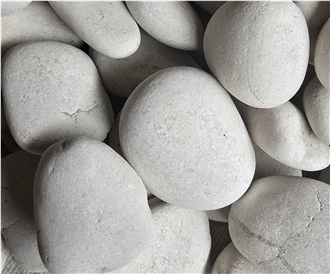
a dolomitic marble from Drama, Kavala, in northeastern Greece, featuring a cloudy gray-white background adorned with light streaked patterns

Description

Timor Marble is a dolomitic marble quarried in Drama, Kavala, northeastern Greece. It features a distinctive cloudy gray-white background, enhanced by light streaked patterns and semi-white colors. This unique appearance makes it a popular choice for a variety of applications in both residential and commercial spaces.

Physical and Mechanical Properties:

  • Water Absorption: Typically low, which makes it relatively resistant to water damage and staining.

  • Density: Generally ranges from 2.7 to 2.71 g/cm³, indicating a robust and durable material.

  • Flexural Strength: This property is crucial for assessing the material's ability to withstand bending forces, often reported around 12 MPa.

  • Compressive Strength: Generally high, in the range of 125 to 135 MPa, contributing to its ability to bear significant loads without cracking or breaking.

  • Hardness: Moderately high on the Mohs scale, typically around 3 to 4, indicating resistance to scratching.

  • Porosity: Generally low, contributing to its durability and suitability for high-moisture environments.

  • Slip Resistance: Surface finish-dependent; polished surfaces may be slippery when wet, while honed or textured finishes offer better slip resistance.

Chemical and Mineral Compositions (% by Weight):

  • Calcium Carbonate (CaCO₃): Predominantly high, typically over 90%, the primary constituent contributing to its crystalline nature.

  • Magnesium Carbonate (MgCO₃): Present in amounts typical for dolomitic marble, enhancing durability.

  • Silica (SiO₂): Often present in minor amounts, contributing to hardness.

  • Iron Oxide (Fe₂O₃): Trace amounts, possibly affecting the color.

  • Other minerals and impurities: Trace amounts, potentially influencing specific characteristics like color and pattern.

Detailed Usage:

  • Flooring: Timor Marble's aesthetic appeal and durability make it a favored choice for high-end residential and commercial flooring.

  • Wall Cladding: Given its elegant appearance, it is widely used for cladding interior and exterior walls.

  • Countertops: Suitable for kitchen and bathroom countertops due to its durable nature and resistance to heat and scratches.

  • Architectural Elements: Staircases, columns, and fireplaces often utilize this marble for its visual appeal.

  • Decorative Items: Including sculptures and other artistic installations due to its ability to be finely polished.

Maintenance:

  • Regular cleaning with a pH-neutral cleaner is recommended.
  • Sealing may be required periodically to protect against stains.
  • Avoid acidic or abrasive cleaners which can damage the surface.

Cutting Sizes (cm):

  • Available in various slab sizes; common tile dimensions include 30x30, 40x40, and 60x60 cm. Custom sizes can also be cut to order.

Common Surface Finish Options:

  • Polished: Provides a glossy and reflective finish that enhances color and pattern but can be slippery.

  • Honed: Offers a smooth, matte finish that is less reflective, providing better slip resistance.

  • Brushed/Antiqued: Presents a textured finish that gives a rustic look and improved grip.

  • Bush-hammered: Offers a rugged texture, providing excellent slip resistance and a unique appearance.

In summary, Timor Marble's versatility, combined with its robust physical and mechanical properties, makes it a preferred material for a wide range of architectural and decorative applications. Proper maintenance will ensure its longevity and continued aesthetic appeal.

FAQ

Can Greece's Timor Marble be used in a kitchen?

Yes, Greeces Timor Marble can be used in a kitchen. Marble is a popular choice for kitchen countertops and backsplashes due to its natural beauty, durability, and heat resistance. However, it is important to note that marble is a porous stone and can be susceptible to stains, so proper sealing and maintenance are necessary to ensure its longevity and prevent damage from spills and acidic substances.

Can Greece's Timor Marble be used in landscaping?

Yes, Greeces Timor Marble can be used in landscaping. Timor Marble is known for its beautiful and unique patterns of dark brown or black veins on a light beige or cream-colored background. This makes it an attractive option for various landscaping projects such as pathways, patios, garden borders, and decorative elements. The durability and resistance of Timor Marble to weathering and high traffic make it suitable for outdoor use. Its natural beauty can enhance the aesthetic appeal of any landscape design. Additionally, Timor Marble is available in different finishes (e.g., polished, honed, brushed) which allows for versatility in landscaping applications, whether seeking a more formal or rustic look. It is worth noting that using Timor Marble in landscaping may require regular maintenance to preserve its appearance and prevent staining, especially in areas with heavy foot traffic or exposure to the elements. Additionally, since marble is a natural stone, it may be relatively more expensive compared to other landscaping materials.

Can Greece's Timor Marble be used exterior applications in very rainy climates?

Yes, Greeces Timor Marble can be used for exterior applications in very rainy climates. This marble is known for its durability and resistance to adverse weather conditions, making it suitable for outdoor use. Its natural resistance to moisture and water absorption properties make it a good choice for use in rainy climates. However, proper sealing and maintenance are still recommended to ensure its longevity and prevent any potential damage from extended exposure to rain.

Can Greece's Timor Marble be used outdoors?

Yes, Greeces Timor Marble can be used outdoors. Timor Marble is known for its durability and weather resistance, which makes it suitable for various outdoor applications such as building facades, flooring, cladding, wall coverings, and landscaping. Its ability to withstand outdoor conditions and maintain its aesthetic appeal makes it a popular choice for both residential and commercial outdoor design projects.

Are there color variations of Greece's Timor Marble?

Yes, there can be variations in color of Greeces Timor Marble. The predominant color of Timor Marble is a creamy beige or off-white, but it can also feature veins or patterns in shades of grey, brown, or even golden tones. The natural variations in color and patterns make every piece of Timor Marble unique.

How thick is Greece's Timor Marble slabs?

The thickness of Greeces Timor Marble slabs can vary, but the standard thickness for marble slabs is typically around 2 centimeters (0.79 inches) or 3 centimeters (1.18 inches).

What is the coefficient of friction of Polished Greece's Timor Marble tiles?

I do not have access to the specific coefficients of friction of Polished Greeces Timor Marble tiles. However, the coefficient of friction of marble can vary depending on the specific type and finish of the marble tiles. It is recommended to consult the manufacturer or supplier of the specific tiles to obtain information about their coefficients of friction.

Is Greece's Timor Marble an expensive stone?

I dont have access to the latest market prices for Timor Marble. However, marble is generally considered a luxurious and expensive material due to its rarity, durability, and aesthetic appeal. Some factors that can affect the price of marble include its quality, size, color, and quarry location. Additionally, shipping costs, taxes, and installation fees may add to the total cost of the stone. So, it is reasonable to assume that Timor Marble can be costly.

Products & Prices

Hot Semi White Marble

New Marble

Post Your Request

The request includes:
  1. surface finished, size
  2. quantity required