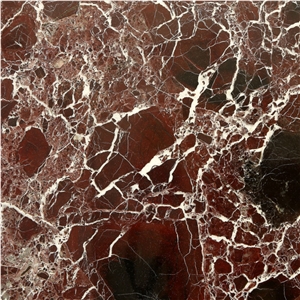
Turandot Marble is a distinctive and visually striking natural stone, primarily quarried in Italy. It is widely recognized for its vibrant color palette that ranges from soft coral-pink to deep brick-red, often accentuated with intricate veining patterns. This marble is particularly valued for its aesthetic appeal, making it a popular choice in various architectural and design projects.
Physical and Mechanical Properties
- Water Absorption:Typically low, around 0.10% to 0.30%, enhancing its durability and resistance to staining.
- Density:Approximately 2,670 to 2,730 kg/m³, which indicates a solid and heavy stone.
- Flexural Strength:Ranges from 8 to 12 MPa, demonstrating good resistance to bending and high resilience.
- Compressive Strength:Generally between 135 to 155 MPa, indicating high strength under compression.
- Hardness:Ranges between 3 to 4 on the Mohs scale, suitable for various interior applications.
- Porosity:Low porosity, typically below 1%, contributing to its durability and lesser susceptibility to water infiltration.
- Slip Resistance:Depends on the finish; honed surfaces tend to offer moderate slip resistance, suitable for interior flooring.
Chemical and Mineral Composition
- Calcite (CaCO₃):90% to 96% by weight, responsible for the marble's main composition and crystalline appearance.
- Dolomite (CaMg(CO₃)₂):2% to 5% by weight, adds to the stone's compactness.
- Trace Minerals:Iron oxides, contributing to the red hues. Minor amounts of quartz and clay minerals.
Uses and Applications
- Interior Flooring:Its aesthetic appeal and durability make it an excellent choice for high-end residential and commercial flooring.
- Wall Cladding:Offers a luxurious and elegant look when used for walls, both in interiors and exteriors.
- Countertops:Suitable for kitchen and bathroom countertops due to its beauty and moderate hardness.
- Decorative Features:Used for fireplace surrounds, staircases, and custom architectural features.
Maintenance
-
Regular Cleaning:Use a pH-neutral cleaner to avoid damaging the stone surface.
-
Sealing:Periodic sealing is recommended to maintain its luster and to protect from stains.
-
Avoid Acidic Substances:Keep away from vinegar, lemon juice, or other acidic cleaners that can etch the surface.
Available Surface Finishes:
- Polished: Offers a high-gloss finish, enhancing the marble's natural colors and veining.
- Honed: Provides a smooth, matte surface, suitable for flooring.
- Brushed: Adds texture for a rustic appearance.
- Sandblasted: Creates a slightly rough surface, enhancing slip resistance.
Turandot Marble, with its rich colors and striking patterns, remains a favored choice for those looking to incorporate natural beauty and elegance into their spaces, while also considering practical and maintenance aspects.


 Italy

 8YR

 China




 Iran

 Spain

 France


 Myanmar


