Post Your Needs

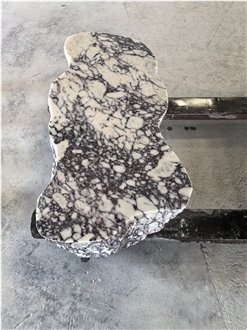
Turkey Calacatta Marble

White - Marble

Turkey

About

Item Details

Material Type:
Marble
Origin:
Turkey (Özbeyli köyü, Sivaslı, Usak and Afyonkarahisar)
Primary Color(s):
White
Recommended Usage:
Kitchen and bathroom countertops, monuments, building stone, ornamental stone, stairs, interior, exterior wall and floor applications, mosaic, waterjet pattern, balustrades, fireplaces surround, columns, wall panels, table tops, window sills
Additional Names:
Bvlgari Marble, Bulgari Marble, Turkey Calacatta Gold Marble, Calacatta Donato Marble, Bianco Donato Marble, Turkish Calacatta Marble, Calacata Marble, in China stone market:宝格丽(Bǎo gé lì), Turkey Calacatta Marble
Finished Surface:
Polished,Bush Hammered,Tumbled,Brushed,Honed,Split,Machine Cut,Natural Surface,Sandblasted,Acid Washing,Combed,Leathered,Water Jet,Filled,Chiseled,Pickling

Testing

Water Absorption:
0.18 %
Density:
2740 kg/m3
Compressive Strength:
1238 kgf/cm2

Description

Turkey Calacatta Marble is a type of natural stone known for its stunning beauty and resemblance to the highly sought-after Italian Calacatta marble. It is quarried in Turkey and shares many similarities with its Italian counterpart, including its white base color and striking veining patterns.

The base color of Turkey Calacatta Marble is typically a creamy white or light beige, providing a clean and timeless backdrop. It is known for its high degree of purity and consistency in color, which allows for a cohesive and harmonious look in various applications.

What truly sets Turkey Calacatta Marble apart is its veining patterns. It features bold and dramatic veins that range in color from gray to gold, creating a beautiful contrast against the white background. The veins can be thick and prominent, flowing across the surface in unique and captivating patterns. The intricate veining adds depth and visual interest to the marble, making it a focal point in any space.

The texture of Turkey Calacatta Marble is typically polished, which enhances its natural luster and elegance. The polished finish provides a smooth and glossy surface that reflects light, further highlighting the beauty of the stone. The reflective quality of the polished surface adds a touch of luxury and sophistication to any interior or exterior application.

Turkey Calacatta Marble is renowned for its durability and strength. It is a dense and hardwearing stone that can withstand daily wear and tear, making it suitable for both residential and commercial use. With proper care and maintenance, including regular sealing, it can maintain its beauty and integrity over time.

Due to its timeless beauty and versatility, Turkey Calacatta Marble is widely used in a variety of applications. It is commonly employed as flooring, wall cladding, countertops, backsplashes, and fireplace surrounds. It adds a touch of elegance and luxury to spaces, whether in kitchens, bathrooms, or living areas.

In summary, Turkey Calacatta Marble is a highly desirable natural stone that offers a stunning combination of a white background and bold veining patterns. Its timeless beauty, durability, and versatility make it a popular choice for those seeking a sophisticated and luxurious material to elevate their design projects.

UNIT VOLUME WEIGHT : 2,68 gr/cm3
DENSITY : 2,74 gr/cm3
WATER ABSORBTION : 0,18 %
POROSITY : 0,49 %
HARDNESS : 4-3
COMPRESSIVE STREGTH (kgf/cm2) : 1238

FAQ

How can I repair the scratched surface of the Turkey Calacatta Marble steps?

Repairing scratched surfaces on Turkey Calacatta Marble steps requires care to maintain the beauty and integrity of the marble. Here’s a step-by-step guide to help you repair minor scratches: 1. **Assess the Damage**: - Determine the depth and severity of the scratches. Light surface scratches can often be polished out, while deeper scratches may require more intensive repair. 2. **Clean the Surface**: - Thoroughly clean the marble with a pH-neutral stone cleaner and a soft cloth to remove any dirt or debris. - Rinse with water and dry completely to ensure the surface is free from cleaner residue or moisture. 3. **Polishing Light Scratches**: - For minor scratches, use a marble polishing powder or an etch remover made for marble. - Apply the polishing powder to the scratched area according to the product instructions, usually with a damp cloth or pad. - Use a circular motion when buffing the area, applying light to moderate pressure. - Rinse with water and wipe the area dry to check your progress. Repeat the process if necessary. 4. **Filling Deeper Scratches**: - If the scratches are deep, a marble repair kit with resin or epoxy might be needed. - Follow the instructions on the repair kit to mix and apply the resin, ensuring it fills the scratch completely. - Allow the filler to dry and harden as per the manufacturer’s guidelines. 5. **Sanding and Polishing**: - Lightly sand the filled area with fine-grit sandpaper (like 600 grit) to level the surface. Ensure you don’t apply too much pressure, which could cause further scratches. - Reapply polishing powder to restore the shine to the repair area, using a marble polishing pad if available. 6. **Sealing the Marble**: - Once the repair is complete and the surface is dry, apply a marble sealer to protect the marble from future damage and staining. - Follow the sealer instructions carefully, ensuring even application and complete coverage. 7. **Regular Maintenance**: - Regularly clean and polish the marble to prevent scratches and dullness. - Use doormats or rugs in high-traffic areas to reduce wear and tear over time. For extensive damage or if youre unsure about the process, it might be best to consult a professional marble restoration specialist to ensure the best results.

Can I mix cleaning vinegar and Dawn dish soap together to clean a Turkey Calacatta Marble countertop?

Mixing cleaning vinegar and Dawn dish soap is generally not recommended for cleaning a Turkey Calacatta marble countertop. Marble, including Calacatta marble, is a natural stone that is sensitive to acidic substances. Vinegar is acidic and can etch the surface of marble, causing dullness or damage. Instead, you should use a pH-neutral cleaner specifically designed for natural stone surfaces. If youre looking to clean your Turkey Calacatta marble countertop, here are some safe steps you can follow: 1. **Use a soft cloth or sponge**: Use warm water and a pH-neutral stone cleaner or a few drops of a mild, non-acidic dish soap mixed with water. 2. **Wipe gently**: Dampen the cloth or sponge and gently wipe the countertop, avoiding excessive scrubbing. 3. **Rinse thoroughly**: Rinse the cloth or sponge and wipe the countertop with clean water to remove any residual soap. 4. **Dry the surface**: Use a soft, dry cloth to dry the surface and prevent water spots. 5. **Regular sealing**: Ensure your marble is sealed regularly, as recommended by your installer or manufacturer, to protect against stains. Always test any new cleaning solution on an inconspicuous area before applying it to the entire surface to ensure it doesnt cause damage.

Can Turkey Calacatta Marble be used as paving stone in areas with heavy snowfall in winter? Is it frost-resistant?

Turkey Calacatta Marble can technically be used as a paving stone, but there are several considerations to keep in mind for areas with heavy snowfall and frost conditions. Marble is a porous natural stone and can be susceptible to damage in freezing temperatures due to moisture absorption and subsequent expansion when it freezes. ### Considerations: 1. **Porosity and Sealant**: Marble is more porous compared to other natural stones like granite. It can absorb moisture, which may lead to cracking during freeze-thaw cycles. Applying a high-quality sealant can reduce porosity but may need regular reapplication. 2. **Surface Finish**: The finish of the marble can also affect its suitability. A honed or slip-resistant finish might be more appropriate for snowy conditions to prevent slips. 3. **Frost Resistance**: Marble is not typically known for high frost resistance. In repeated freeze-thaw cycles, there is a risk of the stone cracking or deteriorating over time. 4. **Maintenance**: Regular maintenance, including resealing and properly managing snow removal (avoiding metal shovels that can scratch the surface), is important. 5. **Alternative Materials**: Consider using other more frost-resistant materials such as granite or engineered stones specifically designed for outdoor use in cold climates. These may perform better and require less maintenance. In conclusion, while Turkey Calacatta Marble can be used as a paving stone, it may not be the most practical choice for areas with heavy snowfall due to its susceptibility to frost damage. If you decide to use it, proper sealing, regular maintenance, and appropriate snow management practices will be essential to prolong its lifespan.

If I use Turkey Calacatta Marble as a bar countertop, will alcoholic drinks damage its surface over time?

Using Turkey Calacatta Marble as a bar countertop can indeed be a stunning choice due to its beautiful veining and luxurious appearance. However, its important to note that marble, including Calacatta, is a porous and relatively soft natural stone. This makes it susceptible to etching and staining from acidic substances, such as alcoholic drinks and citrus juices. Here are some potential issues you might encounter: 1. **Etching**: This occurs when acidic substances react with the calcium carbonate in marble, leading to dull spots or marks on the surface. Alcoholic drinks, especially those mixed with citrus or other acidic components, can cause this type of damage. 2. **Staining**: Marble can readily absorb liquids, which might lead to stains. Red wine and other brightly colored alcoholic beverages pose a particular risk for permanent staining if not cleaned up quickly. 3. **Scratching**: Marble can be scratched relatively easily compared to harder stones like granite or engineered materials like quartz. Sliding glasses or bottles across the surface can leave marks. To protect your marble bar countertop, consider the following: - **Sealant**: Apply a high-quality, penetrating sealant regularly (at least once a year or as recommended by the manufacturer) to help reduce porosity and protect against staining and some etching. - **Clean Up Quickly**: Wipe up spills immediately to prevent stains and etching. - **Use Coasters and Mats**: Encourage the use of coasters for glasses and mats for mixing and preparing drinks to minimize direct contact with the marble surface. - **Regular Maintenance**: Clean the countertop regularly with a soft cloth and a pH-neutral cleaner specifically designed for use on marble. Even with these precautions, some wear and patina are inevitable over time, but many people appreciate this as part of the charm of natural stone. If you prefer a more resilient surface, consider alternatives such as engineered stone that mimics the look of marble but offers greater resistance to staining and etching.

How can I remove mold from Turkey Calacatta Marble wall tiles?

Removing mold from Turkey Calacatta Marble wall tiles requires a gentle and careful approach to avoid damaging the marble. Here’s a step-by-step guide to cleaning the tiles: 1. **Gather Materials:** - A soft cloth or sponge - pH-neutral marble cleaner or a few drops of mild dish soap - Warm water - Soft-bristled brush or toothbrush - Clean, dry towels - A spray bottle - Hydrogen peroxide (for stubborn mold) - Isopropyl alcohol (optional, for further disinfection) 2. **Preparation:** - Ensure the area is well-ventilated by opening windows or turning on an exhaust fan. - Put on gloves and a mask to protect yourself from mold spores. 3. **Initial Cleaning:** - Mix a few drops of mild dish soap with warm water in a spray bottle. - Spray the solution onto the marble tiles and let it sit for a few minutes. - Gently scrub the affected area with a soft cloth, sponge, or soft-bristled brush. Avoid using anything abrasive, which can scratch the marble. 4. **Rinse:** - Wipe the area with a clean, damp cloth to remove the soap and mold residues. - Rinse the cloth frequently to avoid spreading mold spores. 5. **For Stubborn Mold:** - Fill a spray bottle with 3% hydrogen peroxide. - Lightly mist the moldy areas with hydrogen peroxide, ensuring not to soak the marble. - Let it sit for 10-15 minutes, then gently scrub with a soft brush. - Rinse with clean water and dry immediately with a soft towel. 6. **Disinfection (Optional):** - To further disinfect, you can wipe the area with a cloth dampened in isopropyl alcohol. This step helps to kill any remaining spores. Follow by rinsing and drying the surface thoroughly. 7. **Preventive Measures:** - Regularly clean marble tiles with pH-neutral cleaners to prevent mold growth. - Ensure the area is dry and well-ventilated to reduce moisture, which encourages mold growth. - Consider applying a marble sealer to protect the surface from staining and potential mold growth. **Important Tips:** - Avoid using acidic or harsh cleaners such as vinegar, ammonia, or bleach, as they can etch and damage marble surfaces. - Always test cleaning solutions on a small, inconspicuous area of the marble first to ensure there is no discoloration or damage.

Will a hot pot leave a mark on a Turkey Calacatta Marble kitchen countertop?

Yes, placing a hot pot directly on a Turkey Calacatta Marble kitchen countertop can potentially leave a mark or cause damage. Marble is a natural stone that is sensitive to heat. The heat from the pot can lead to thermal shock, which might cause the marble to crack or discolor. To protect your countertop, its advisable to use trivets, hot pads, or coasters to create a barrier between the hot pot and the marble surface.

Is vinegar ok to use on Turkey Calacatta Marble countertop?

No, vinegar is not recommended for use on Turkey Calacatta marble countertops as it is an acidic substance that can damage the surface of the marble. It is best to use a mild, pH-neutral cleaner specifically designed for marble countertops to clean and maintain the beauty of the stone.

Is polished Turkey Calacatta Marble slippery for stairs?

Polished Turkey Calacatta Marble can be slippery for stairs, especially if the surface is wet or if there is dust or debris on the stairs. It is important to take precautions such as installing non-slip treads or using anti-slip coatings to improve traction and reduce the risk of slipping on marble stairs.

Can I put Turkey Calacatta Marble on stairs?

Yes, you can certainly put Turkey Calacatta Marble on stairs. Marble is a durable and elegant material that is commonly used for stairs and other interior surfaces. Just make sure to hire a professional installer to ensure a proper and safe installation.

Customer reviews

Customer reviews

Write a Review
Dil**** Australia

Merhaba Bu ürününüzü beğendim. Mevcut plakaların fotoğraflarını görebilir miyim lütfen? Teşekkür ederim. Saygılarımla, Dilek

Helpful (0) 0Reply

Products & Prices

View More

Hot White Marble

New Marble

Post Your Request

The request includes:
  1. surface finished, size
  2. quantity required