Post Your Needs

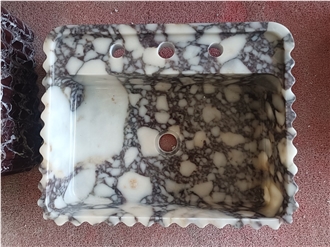
Turkey Calacatta Viola Marble

Marble

Turkey

About

Item Details

Material Type:
Marble
Origin:
Turkey (Altıntaş, Kutahya)
Recommended Usage:
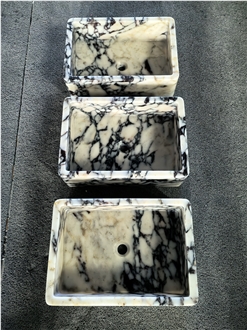
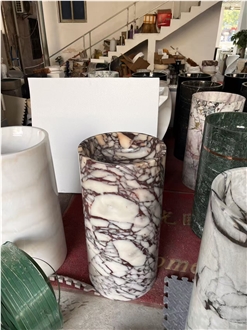
Kitchen and bathroom countertops, wash basins, building stone, ornamental stone, stairs, interior, exterior wall and floor applications, mosaic, waterjet pattern, wall panels, table tops, balustrades, columns, wall and pool copings, pool pavers, sculptures, fireplaces
Additional Names:
Calacatta Viola, Turkish Calacatta Viola Marble, Calacatta Extra Marble, Calacatta Violet Marble, Calacatta Verde Marble, Turkey Bulgari Marble, Turkish Bvlgari Marble, in China stone market:宝格丽(Bǎogélì), Calacatta Viola
Finished Surface:
Polished,Bush Hammered,Tumbled,Brushed,Honed,Split,Machine Cut,Natural Surface,Sandblasted,Combed,Leathered,Water Jet,Chiseled,Pickling

Testing

Water Absorption:
0.15–0.35% by weight
Density:
2680–2720 kg/m³
Flexural Strength:
12–17 MPa
Compressive Strength:
95–125 MPa

Description

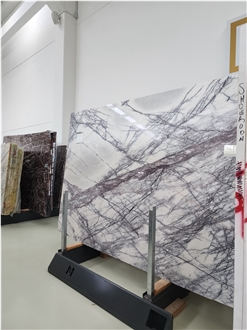
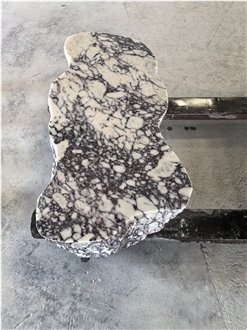
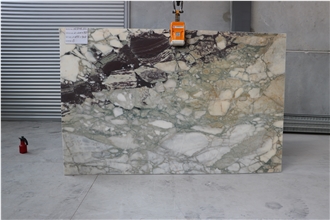
Calacatta Viola Marble is an elegant and sophisticated natural stone, recognized for its creamy white to bright white background contrasted with bold, deep grey to nearly black-purple veining. Its characteristic spiderweb-like dramatic veins often display greenish tones or subtle golden reflections, creating luxurious depth and character. This marble is highly prized for high-end interior projects, classic European-style designs, and artistic architectural applications.

Aesthetic Appeal, Texture & Pattern

Color & Tonality

Background: White, off-white, or creamy white

Veining:

  • Dark grey to deep purple/black-purple
  • Occasional greenish vein transitions
  • Subtle gold or bronze mineral highlights

Texture

  • Fine to medium crystalline structure
  • Smooth tactile feel
  • High translucency in certain areas (similar to Calacatta-type marbles)
  • Luxurious polishability

Pattern Characteristics

  • Dense spiderweb-style veining
  • High contrast veins spreading dynamically
  • Distinctive artistic natural patterns
  • Medium to high variation between slabs

This visual drama makes Calacatta Viola ideal for bookmatching and vein-matching applications.

Mineral Composition (% by Weight)

(Typical for Turkish marble; varies slightly by block)

  • Calcite (CaCO₃) : 92–97%
  • Dolomite : 1–4%
  • Quartz : 0.5–2%
  • Mica & Serpentine Traces : <1%
  • Iron Oxide / Hematite : 0.2–1%
  • Other natural minerals : <1%

Chemical Composition (% by Weight)

  • CaCO₃ (Calcium Carbonate) : 90–96%
  • MgCO₃ : 1–5%
  • SiO₂ (Silica) : 0.5–2%
  • Fe₂O₃ : 0.2–1%
  • Al₂O₃ : 0.1–0.7%
  • Other Oxides : <1%

Technical Test Results & Properties

  • Bulk Density : 2,680–2,720 kg/m³
  • Water Absorption : 0.15–0.35%
  • Compressive Strength : 95–125 MPa
  • Flexural Strength : 12–17 MPa
  • Abrasion Resistance : Moderate
  • Mohs Hardness : 3 – 4
  • Chemical Resistance : Low against acids
  • Glossiness after polishing : 85+ (very high)

Like most marbles, Calacatta Viola is softer than quartzite or granite and requires proper sealing and care.

Recommended Usage

Interior Applications (Best Use)

  • Bathroom vanity tops
  • Feature walls
  • Flooring (low–medium traffic)
  • Shower walls
  • Fireplaces
  • Kitchen backsplash
  • Luxury furniture & tabletops
  • Hotel and commercial lobbies
  • Bookmatched wall panels

Not Recommended

  • For Outdoor areas exposed to acid rain
  • Heavy-use commercial flooring
  • Kitchen countertops without protective sealing (due to acid sensitivity)

Maintenance

Routine Cleaning

  • Use pH-neutral stone cleaner only
  • Avoid vinegar, lemon, bleach, ammonia, acidic or abrasive cleaners
  • Wipe spills immediately, especially wine, coffee, citrus, cosmetics

Sealing

  • Seal every 6–12 months, depending on usage
  • Essential in kitchens, bathrooms, and wet zones

Polishing & Repairs

  • Can be re-polished when dull
  • Professional restoration recommended for scratches or etch marks

FAQ

How can I restore the appearance of Calacatta Viola floors to make them look new again?

Restoring the appearance of Calacatta Viola marble floors requires a detailed and careful approach to maintaining and enhancing the natural beauty of the stone. Here are steps you can follow: 1. **Cleaning**: - Begin by sweeping or vacuuming the floor to remove loose dirt and debris. - Use a pH-neutral cleaner specifically designed for marble surfaces. Avoid acidic or abrasive cleaners, which can damage the stone. - Mop the floor with the cleaner, ensuring that you don’t saturate the tiles with too much water, as marble is porous. 2. **Stain Removal**: - Identify any stains on the marble surface. You can treat oil-based stains using a paste made from a mild liquid soap mixed with flour or baking soda, applying it to the stained area and covering it with plastic wrap for 24-48 hours. - For organic stains, use a solution of 12% hydrogen peroxide with a few drops of ammonia. 3. **Polishing**: - After cleaning, you may want to polish the marble to restore its shine. Use a marble polishing powder or a commercial marble polish and apply it according to the manufacturer’s instructions. - Use a soft cloth or a low-speed polisher fitted with a soft buffing pad. Move in circular motions for an even polish. 4. **Sealing**: - Once the floor is clean and polished, applying a quality marble sealer is crucial to protect it from future stains and wear. - Follow the sealer’s instructions, ensuring the surface is dry and clean before application. Allow it to cure completely to provide optimal protection. 5. **Regular Maintenance**: - Regularly sweep and dust the floor to prevent dirt from scratching the surface. - Use doormats to minimize the amount of sand and dirt brought onto the floors. - Immediately clean any spills to prevent staining. Use coasters, placemats, or trivets under cups and dishes when placing them on marble surfaces. 6. **Professional Help**: - If the above steps do not yield the desired results, consider hiring a professional marble restoration service. They can provide more intensive care such as grinding, honing, and detailed repairs for significant damage or wear. Following these steps will help maintain and restore the luxurious appearance of Calacatta Viola marble floors, keeping them looking pristine and new.
Can Calacatta Viola be used for stair steps?

Yes, Calacatta Viola can be used for stair steps. This luxurious marble is known for its distinctive, bold veining and elegant appearance, making it a popular choice for both aesthetic and functional purposes in interior design. When using Calacatta Viola for stair steps, its important to consider the following: 1. **Durability**: Marble is a relatively soft stone compared to other natural stones like granite, making it more susceptible to scratches and wear. Consider the level of foot traffic the stairs will experience. 2. **Finish**: Choose a finish that provides adequate slip resistance. Polished marble can be quite slippery when wet, so a honed or brushed finish might be more appropriate for stairs. 3. **Maintenance**: Marble requires regular maintenance, including sealing, to protect it from staining and etching, especially in high-traffic areas like stairs. 4. **Installation**: Proper installation is crucial to ensure safety and longevity. It should be done by professionals who have experience working with marble. 5. **Aesthetics**: Ensure that the veining and pattern of the marble slabs selected are to your liking and complement the overall design of the space. If these considerations align with your needs, Calacatta Viola can be a stunning and effective choice for stair steps.

Do fruit juices stain the surface of Calacatta Viola ?

Yes, fruit juices can stain the surface of Calacatta Viola marble. Marble is a porous natural stone, making it susceptible to staining from acidic substances like fruit juices. If you spill fruit juice on Calacatta Viola, its important to clean it up immediately to prevent it from penetrating the stone and causing a stain. Regular sealing of the marble surface can help protect against stains, but its always a good practice to wipe up spills as soon as they occur.

Does the surface of Calacatta Viola scratch easily?

Calacatta Viola is a type of marble, which is known for its beautiful veining and luxurious appearance. However, like other marbles, it is relatively soft compared to materials like granite or quartz. This means that it can be prone to scratching, especially in high-traffic areas or if exposed to sharp objects. To minimize the risk of scratching, it is advisable to take certain precautions, such as using cutting boards, avoiding dragging heavy objects across the surface, and regularly sealing the marble to protect it from damage. Regular maintenance and care can help preserve the surface and keep it looking pristine.

Can Calacatta Viola be used for pool coping?

Calacatta Viola, like other natural marbles, is a beautiful and luxurious stone often used for interior applications such as countertops, backsplashes, and flooring. However, using it for pool coping is not the most practical choice. Here are a few reasons why: 1. **Porosity**: Marble is a porous stone, which means it can absorb water and other liquids. Constant exposure to water, especially in outdoor environments, can lead to staining, water damage, and deterioration over time. 2. **Durability**: Marble is not as hard or as durable as other stones like granite or quartzite. Heavy foot traffic, pool chemicals, and exposure to outdoor weather conditions can cause it to wear down or become damaged more easily. 3. **Slipperiness**: When wet, marble can be quite slippery, posing a safety risk around pools. 4. **Maintenance**: Marble requires regular sealing to help prevent water absorption and staining, and even then, it needs ongoing maintenance to keep it looking its best. For pool coping, its often better to choose materials that are more durable, less porous, and provide better slip resistance, such as porcelain tiles, sandstone, granite, or specially designed pool pavers. Always consult with a professional to ensure that the material you choose will be suitable for your specific environment and needs.

Can Calacatta Viola be used as a kitchen countertop?

Calacatta Viola, a type of marble, is known for its striking appearance with deep purple veining against a white background. While it can definitely be used as a kitchen countertop, there are several factors to consider: 1. **Porosity**: Marble is a porous material, which makes it susceptible to staining, especially from liquids like red wine, oil, or acidic substances like lemon juice. It’s important to seal marble countertops regularly to help prevent staining. 2. **Durability**: Marble is softer than granite and quartz, making it more prone to scratches and etching. While it can withstand regular kitchen use, it may show wear over time, especially in a busy kitchen. 3. **Maintenance**: It requires regular maintenance to keep it looking its best. This includes wiping up spills immediately, using cutting boards, and avoiding abrasive cleaners. 4. **Heat Resistance**: Marble has good heat resistance, but it’s still advisable to use trivets or hot pads under hot pots and pans to avoid potential damage. 5. **Aesthetics**: Calacatta Viola offers a luxury and unique aesthetic that can significantly enhance the look of a kitchen, adding a high-end, elegant touch. If you choose Calacatta Viola for your kitchen, be prepared for the maintenance commitment required and consider the traffic level of the kitchen to assess whether it fits your lifestyle. If maintained properly, it can be a beautiful and worthwhile addition to your kitchen.

How can I maintain Calacatta Viola flooring?

Maintaining Calacatta Viola marble flooring involves several steps to preserve its natural beauty and extend its lifespan. Here are some tips to help you care for your Calacatta Viola flooring: 1. **Regular Cleaning**: - Sweep or vacuum the floor regularly to remove dirt, dust, and grit that may scratch the surface. - Use a damp mop for cleaning the floor with a pH-neutral cleaner specifically formulated for marble. Avoid using acidic or abrasive cleaners such as vinegar or bleach. 2. **Spill Management**: - Wipe up spills immediately to prevent staining. Use a soft, absorbent cloth and blot the spill rather than wiping it to avoid spreading the liquid. - Avoid using bathroom or kitchen cleaners on spills, as they can contain acids or chemicals that may damage the marble. 3. **Sealing**: - Seal the floors periodically to provide an additional layer of protection against stains and moisture. The frequency of sealing depends on the traffic level and the specific sealer used, but typically, it’s done every 6 to 12 months. - Before sealing, ensure the floor is clean and dry. Follow the manufacturer’s instructions for the best results. 4. **Preventive Measures**: - Use doormats and rugs in entryways to reduce the amount of dirt and grit brought onto the floor. - Place protective pads under furniture legs to prevent scratches and gouges. - Avoid dragging heavy objects across the floor. 5. **Avoiding Damage**: - Do not use harsh chemicals or abrasive materials on Calacatta Viola marble. - Avoid heavy impacts or dropping heavy items on the floor which may cause chips or cracks. 6. **Professional Care**: - Hire a professional to polish and restore the marble periodically. This will help to maintain the shine and address any surfaces dulled by everyday wear and tear. - Consult with a stone care expert if there are significant stains, scratches, or damage. By following these guidelines, you can maintain the timeless beauty and elegance of your Calacatta Viola marble flooring for years to come.

Products & Prices

View More

Hot Marble

New Marble

Post Your Request

The request includes:
  1. surface finished, size
  2. quantity required