Post Your Needs

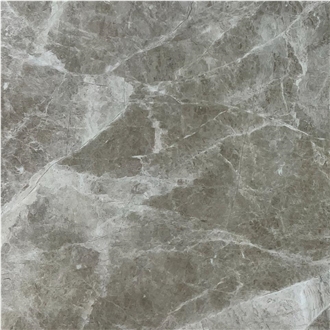
Turkish Serpeggiante Marble

Marble

Turkey

About

Item Details

Material Type:
Marble
Origin:
Turkey
Recommended Usage:
Kitchen and bathroom countertops, monuments, building stone, ornamental stone, stairs, interior, exterior wall and floor applications, mosaic, waterjet pattern, wall panels, table tops, window sills, wall and pool copings, pool pavers
Additional Names:
Gray Serpeggiante Marble, Silver River Marble, River Gray Marble, Athens Gray Marble, Turkish Serpeggiante Grey Marble, Turkish Serpeggiante Marble
Finished Surface:
Polished,Bush Hammered,Tumbled,Brushed,Honed,Split,Machine Cut,Natural Surface,Sandblasted,Acid Washing,Combed,Leathered,Water Jet,Filled,Chiseled,Pickling

Description

Turkish Serpeggiante Marble is a captivating natural stone with a unique and visually intriguing appearance. Quarried in Turkey, this marble exhibits a soft gray and dark gray color palette and is known for its river vein texture, which adds a distinctive pattern to the stone's surface.

Key features of Turkish Serpeggiante Marble:

Gray Color Palette: The primary colors of Turkish Serpeggiante Marble are soft gray and dark gray. This color palette provides a neutral yet elegant backdrop that can seamlessly blend with a wide range of design styles. The combination of these gray hues adds depth and sophistication to the stone.

River Vein Texture: What sets this marble apart is its river vein texture. The marble features a unique and intriguing pattern that resembles the meandering veins of a river. These veins create a sense of movement and flow across the surface, adding a touch of visual interest and complexity to the stone.

Natural Beauty: Turkish Serpeggiante Marble captures the essence of nature's artistry. The river vein texture and the interplay of soft and dark gray hues on the surface make each slab a unique work of natural art. No two pieces are exactly alike, making this marble a testament to the diversity of nature's creations.

Versatility: Turkish Serpeggiante Marble is versatile and suitable for a wide range of applications, including countertops, bathroom vanities, flooring, wall cladding, and decorative elements. Whether used in contemporary or traditional settings, it brings a touch of sophistication and individuality to any space.

Origin: Sourced from quarries in Turkey, this marble is known for its quality and is associated with a region with a rich history of natural stone extraction.

In summary, Turkish Serpeggiante Marble is a prime example of the captivating beauty found in natural stone. With its soft and dark gray color palette and river vein texture, it adds a sense of movement and uniqueness to any design. Whether used as a focal point or an accent, this marble creates a visual statement that is both sophisticated and visually engaging.

FAQ

How can I repair the scratched surface of the Turkish Serpeggiante Marble countertop?

Repairing a scratched Turkish Serpeggiante Marble countertop requires patience and attention to detail. Heres a step-by-step guide to help you restore its surface: 1. **Cleaning the Surface:** - Start by cleaning the countertop thoroughly to remove any dust, debris, or stains. Use a pH-neutral stone cleaner mixed with warm water and a soft cloth or sponge. - Rinse the countertop with clean water and dry it with a soft, lint-free cloth. 2. **Assessing the Damage:** - Examine the scratch closely to determine its depth. Surface-level scratches are usually easier to repair than deep ones. - For a minor scratch, you may be able to polish it out. Deeper scratches may require filling and resurfacing. 3. **Polishing Light Scratches:** - Use a marble polishing powder or a polishing compound specifically designed for natural stones. Follow the manufacturer’s instructions for application. - Apply the compound to the scratched area and buff it with a soft, damp cloth or a hand-held polisher fitted with a soft pad. Use circular motions. - Check the scratch periodically to see if it has disappeared. Rinse the area with water and wipe it dry with a clean cloth. 4. **Filling Deep Scratches:** - For deeper scratches, you might need to use a marble repair kit that includes a resin or epoxy filler. - Mix the filler according to the instructions, matching the color as closely as possible to your marble. - Apply the filler into the scratch with a small tool, such as a putty knife or applicator stick. Spread it evenly and remove any excess. - Allow it to cure fully as per the instructions on the kit. 5. **Sanding and Polishing:** - Once the filler is cured, lightly sand the area with fine-grit sandpaper (e.g., 400-600 grit) if necessary, to make it level with the rest of the surface. - Re-polish the area using marble polishing powder or a polishing compound, as described in step 3. 6. **Sealing the Marble:** - After repairing and polishing, seal the countertop to protect it from future damage and stains. Use a penetrating sealer suitable for marble surfaces. - Apply the sealer according to the product instructions, ensuring even coverage and allowing it to fully cure. 7. **Regular Maintenance:** - Clean the marble regularly with a pH-neutral cleaner to maintain its sheen and prevent new scratches from forming. - Use cutting boards and trivets to protect the surface from damage. If the damage is extensive or if you are unsure about performing these repairs yourself, consider consulting a professional stone restoration service to ensure the best outcome.

Is Turkish Serpeggiante Marble with a sandblasted surface good for interior flooring?

Turkish Serpeggiante Marble, known for its distinctive linear patterns and appealing aesthetics, can be suitable for interior flooring. However, considering its sandblasted surface, there are some factors you should consider: 1. **Texture and Grip**: A sandblasted finish provides a rougher texture which can improve slip resistance, making it a safer option for areas that might be prone to wetness or spills, such as bathrooms or kitchens. 2. **Aesthetic Appeal**: The sandblasted surface offers a more matte and rustic look compared to polished finishes. This can lend a unique character to the space, but it may not have the same level of sheen or elegance that polished marble offers. 3. **Maintenance**: Sandblasted marble is generally easier to maintain compared to polished surfaces as it does not show scratches and wear as prominently. However, the rough surface might trap dirt and require more thorough cleaning. 4. **Durability**: Marble is relatively soft compared to other natural stones like granite. While its durable for interior flooring, it can be prone to scratching and etching, especially in high-traffic areas. Regular sealing and proper maintenance can help mitigate these issues. 5. **Cost**: Consider the cost of the material along with installation and upkeep. Marble can be an investment, and the finish might affect both initial and maintenance costs. Overall, if you appreciate the textural and aesthetic qualities of sandblasted Turkish Serpeggiante Marble and are prepared to manage its maintenance, it can be an excellent choice for interior flooring.

Is Turkish Serpeggiante Marble a suitable choice for facade?

Turkish Serpeggiante Marble can be considered for use in facades, but there are several factors to take into account when making this decision: 1. **Aesthetic Appeal**: Turkish Serpeggiante Marble has a distinct linear, wavy pattern that can add a unique appearance to a facade, contributing to the architectural style and aesthetic of a building. 2. **Durability**: Marble is generally durable, but it is also susceptible to weathering over time, especially in harsh climates. Depending on the climate where the building is located, weather conditions could impact the longevity of the marble facade. 3. **Maintenance**: Marble requires regular maintenance, including cleaning and sealing, to maintain its appearance and prevent issues such as staining and etching from environmental exposure. 4. **Porosity**: Natural stones like marble are porous, which means they can absorb water and other liquids. For a facade, this characteristic might require additional treatments to minimize water absorption and prevent damage. 5. **Cost**: Marble is often more expensive than other materials such as synthetic facades or less costly natural stones. Budget considerations could influence the decision. 6. **Environmental Considerations**: Exposure to pollution, acid rain, and other environmental factors can affect marble over time, potentially leading to discoloration or surface degradation. 7. **Weight**: Marble is heavy, which means it requires a structurally sound support system. This can increase construction complexity and cost. If these considerations are adequately addressed, Turkish Serpeggiante Marble can be a suitable and beautiful choice for a building facade. Consulting with architects and engineers familiar with the materials properties and the specific requirements of the project is crucial for making an informed decision.

Can 18mm thick Turkish Serpeggiante Marble be used for commercial building stair steps?

Using 18mm thick Turkish Serpeggiante Marble for stair steps in a commercial building is possible, but there are several factors to consider: 1. **Durability**: Marble is a natural stone that can be prone to scratching and etching, especially in high-traffic areas. For commercial applications, its essential to ensure that the marble can withstand the expected foot traffic and potential exposure to grit and other abrasives. 2. **Thickness**: An 18mm thickness is relatively thin for stair treads, especially in a commercial setting where more robust materials are often required. The marble would need to be adequately supported to prevent cracking or breaking under load. 3. **Slip Resistance**: Marble can be slippery when wet, which poses a risk for staircases, particularly in commercial buildings. To mitigate this, you could consider a honed or textured finish to improve traction, or apply anti-slip treatments. 4. **Support and Installation**: Proper installation is crucial for safety and longevity. Its essential to ensure that the marble is properly supported underneath, possibly with a stronger substrate, to prevent any movement that could lead to cracking. 5. **Building Codes**: Verify that using marble for stair treads complies with local building codes and regulations, which may have specific requirements for materials used in stair construction to ensure safety and accessibility. Overall, while it is feasible to use 18mm thick Turkish Serpeggiante Marble for commercial building stair steps, careful consideration and proper installation are vital to address the potential challenges and ensure durability and safety.

Do fruit juices stain the surface of Turkish Serpeggiante Marble kitchen countertop?

Yes, fruit juices can stain Turkish Serpeggiante Marble kitchen countertops. Marble is a natural stone that is porous and susceptible to staining from acidic substances like fruit juices, wine, and vinegar. These liquids can etch the surface and cause discoloration. To prevent staining, it is advisable to clean up spills immediately and consider sealing the marble to provide some protection against absorption. Regular maintenance and using coasters or placemats can also help preserve the appearance of the marble.

Is Turkish Serpeggiante Marble durable enough for use as walkway pavers?

Turkish Serpeggiante Marble is known for its attractive, veined appearance, which makes it a popular choice in interior applications such as flooring, countertops, and wall cladding. However, when considering it for use as walkway pavers, there are several factors to consider regarding its durability: 1. **Marble Properties:** Marble is a metamorphic rock that tends to be softer and more porous than some other natural stones such as granite. This can make it susceptible to scratching, chipping, and erosion, particularly in high-traffic areas or harsh weather conditions. 2. **Weather Resistance:** In outdoor environments, marble can be prone to weathering when exposed to elements such as rain, freeze-thaw cycles, and pollutants. This can lead to surface degradation over time. 3. **Slip Resistance:** Marble can become quite slippery when wet, which may pose a safety concern for walkways, especially in regions with frequent rain or snowfall. 4. **Maintenance Requirements:** Marble requires regular maintenance to preserve its appearance, including sealing to protect against stains and weathering. 5. **Alternative Options:** For outdoor walkways, materials like granite, concrete pavers, or specialized outdoor tiles may offer greater durability and weather resistance. While Turkish Serpeggiante Marble can be used for outdoor applications such as walkways, it may not offer the best long-term durability and safety compared to other materials. If you decide to use it, ensure proper installation methods and regular maintenance to help extend its lifespan. Additionally, evaluate whether its aesthetic appeal is worth the potential trade-offs in durability and maintenance requirements.

Does the surface of Turkish Serpeggiante Marble scratch easily?

Turkish Serpeggiante Marble, like most marbles, is relatively soft compared to other natural stones such as granite. This means it can be more susceptible to scratching, especially if it is used in high-traffic areas or subjected to abrasive materials. To minimize scratching, it is important to take certain precautions: 1. **Seal the Surface**: Ensure that the marble is properly sealed, which can help protect it from scratches and stains. 2. **Use Cutting Boards**: Avoid cutting directly on the marble surface by using cutting boards for any food preparation. 3. **Felt Pads**: Place felt pads under furniture or objects that might be moved across the marble surface to prevent scratching. 4. **Regular Maintenance**: Clean the marble regularly with a pH-neutral cleaner and avoid harsh or abrasive cleaners that can damage the surface. 5. **Natural Wear**: Be mindful that over time, a natural patina may develop, which is common with marble surfaces. While marble can be more delicate than other stones, with proper care and maintenance, it can maintain its beauty and remain relatively free from scratches.

Hot Marble

New Marble

Post Your Request

The request includes:
  1. surface finished, size
  2. quantity required