Post Your Needs

Velvet Red Marble

Marble

Iran

About

Item Details

Material Type:
Marble
Origin:
Iran
Recommended Usage:
Kitchen and bathroom countertops, wash basins, building stone, ornamental stone, stairs, interior, exterior wall and floor applications, mosaic, waterjet pattern, wall panels, table tops, balustrades, columns, wall and pool copings, pool pavers, fireplaces
Additional Names:
Carnelian Red Marble, Red Agate Marble, in China stone market:南红一号(Nán Hóng Yī Hào), Velvet Red Marble
Finished Surface:
Polished,Bush Hammered,Tumbled,Brushed,Honed,Split,Machine Cut,Natural Surface,Sandblasted,Acid Washing,Combed,Leathered,Water Jet,Filled,Chiseled,Pickling

Testing

Water Absorption:
0.15 - 0.36 %
Density:
2680 - 2710 Kg/m3
Flexural Strength:
14 - 18 MPa
Compressive Strength:
100 - 120 MPa

Description

Velvet Red Marble — Luxury Red Marble from Iran

Visual Appearance and Texture

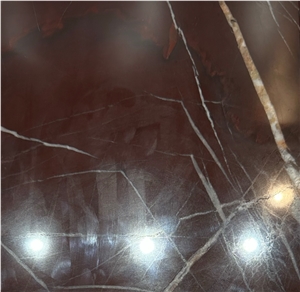
Velvet Red Marble is prized for its dramatic deep, velvety red base colour with irregular white and golden hued veins running through it that form striking, artistic patterns. This contrast gives spaces a bold visual impact, ideal for luxury interiors and statement architectural features.

  • Base colour: deep red to burgundy Veining: artistic white and gold streaks or patches
  • Texture: fine to medium crystalline grain typical of marble, smooth and dense when polished
  • Hand-feel: polished surfaces are glass-like and cool, honed surfaces have a subdued, matte texture

Physical and Mechanical Properties

  • Density / Specific gravity: 2.68–2.71 g/cm3
  • Mohs Hardness: 3–4
  • Compressive Strength: 100–120 MPa
  • Flexural Strength / Modulus of Rupture: 14–18 MPa
  • Water Absorption: 0.15–0.36 %
  • Porosity: Low, less than 1 %
  • Impact / Durability: Moderate

* The strength and hardness values above are typical for metamorphosed limestone marbles; actual figures vary with mineral content and exact quarry conditions.

Chemical and Mineral Composition (% by Weight)

  • Calcite (CaCO3): 85–95 %
  • Dolomite (CaMg(CO3)2): 1–5 %
  • Lime (CaO): 28–32 %
  • Silica (SiO2): 3–30 % (varies with color and veining)

* Other trace minerals such as iron oxides, mica, or graphite influence the red, gold, or white hues. The deep red colour is usually caused by iron oxides or hematite inclusions, while golden veins can be calcite or iron-rich streaks.

Usage

Velvet Red Marble’s eye-catching aesthetic and physical properties make it suitable for many high-end architectural and design applications.

Interior Uses

  • Feature walls and accent cladding
  • Lobby floors and grand staircases
  • Countertops and kitchen islands
  • Vanity tops and bathrooms
  • Fireplace surrounds
  • Art pieces and sculpture bases

Exterior Uses

  • Building façades if sealed and protected; marble is susceptible to acid rain and pollution etch

Surface Finishes

Velvet Red Marble can be processed into a range of finishes, each suited to different design intentions.

  • Polished: High gloss, deep colour pop, best for luxury interiors
  • Honed: Matte, soft look, less slippery, ideal for floors
  • Leathered / Brushed: Accentuates texture, rustic aesthetic
  • Sandblasted: Slightly rough, decorative exterior use
  • Tumbled: Aged, antique appearance

These finishes affect maintenance needs and slip resistance.

Maintenance and Care

Marble is beautiful but chemically sensitive and requires care.

Daily/Regular Care

  • Clean with pH-neutral stone soap or cleaner
  • Wipe spills immediately, acids can etch marble
  • Use mats or coasters on countertops

Long-Term Maintenance

  • Seal annually or bi-annually with a quality stone sealer
  • Avoid harsh chemical cleaners or abrasive pads
  • For honed or leathered finishes, specialist stone oils or conditioners can help maintain the look

Marble reacts to acids because it is mostly calcium carbonate; acidic exposure dissolves surface calcite and dulls polish.

FAQ

How can I clean the grout of antique finish Velvet Red Marble tiles?

Cleaning the grout of antique finish Velvet Red Marble tiles requires careful attention to avoid damaging the marble while effectively cleaning the grout. Here’s a step-by-step guide to help you clean the grout safely: ### Materials Needed: 1. **pH-neutral stone cleaner**: Specifically formulated for marble and natural stones. 2. **Soft-bristle brush or toothbrush**: To gently scrub the grout. 3. **Microfiber cloths**: For wiping and drying. 4. **A bucket**: For mixing cleaning solutions. 5. **Warm water**: For rinsing. 6. **Grout sealer**: To protect grout from future stains (optional but recommended). ### Cleaning Procedure: 1. **Prepare the Area**: - Ensure the area is free of loose dirt and debris by sweeping or vacuuming. - Test your cleaning solution on a small, inconspicuous area first to ensure it doesn’t damage the marble or discolor the grout. 2. **Dilute the Cleaner**: - Mix a pH-neutral stone cleaner with warm water in a bucket according to the instructions on the product label. 3. **Apply the Cleaning Solution**: - Dip the soft-bristle brush into the diluted cleaner. Gently apply the solution to the grout lines, ensuring you avoid excessive contact with the marble itself. 4. **Scrub the Grout**: - Carefully scrub the grout lines using a soft-bristle brush or toothbrush. Be gentle to avoid scratching the marble surface. - Focus on small sections to ensure thorough cleaning. 5. **Rinse the Area**: - Use clean, warm water to rinse the area thoroughly. Use a damp microfiber cloth to wipe away any remaining cleaning solution from both the grout and the marble tiles. 6. **Dry the Surface**: - Use a clean, dry microfiber cloth to dry the marble tiles and grout lines to prevent water spots or potential damage from standing water. 7. **Seal the Grout** (Optional): - Once the grout is completely dry, consider applying a grout sealer to help protect against future stains and make cleaning easier. Follow the product instructions for best results. 8. **Regular Maintenance**: - Regularly clean the surface with a pH-neutral stone cleaner and avoid acidic or abrasive cleaners that could damage the marble or the grout. Following these steps will help maintain the beauty and integrity of your antique finish Velvet Red Marble tiles while ensuring that the grout remains clean and protected.

Will 2cm thick Velvet Red Marble crack around a fireplace?

Using 2 cm thick Velvet Red Marble around a fireplace could potentially work, but there are several factors to consider to prevent it from cracking. Marble is a natural stone that can withstand high temperatures, but it is also sensitive to thermal shock, which can cause cracking. Here are some considerations: 1. **Quality of Marble**: Ensure the marble is of high quality, without inherent weaknesses such as veins or fissures that could lead to cracking when exposed to heat. 2. **Installation**: Proper installation is crucial. The marble should be installed with proper spacing and support to allow for expansion and contraction. A professional installer with experience in working with marble around fireplaces is recommended. 3. **Heat Source**: The distance of the marble from the actual heat source matters. If the marble is too close to the fire and directly exposed to high temperatures, the risk of cracking increases. 4. **Insulation**: Adequate insulation or a thermal barrier between the fireplace and the marble can help reduce the risk of thermal shock and cracking. 5. **Regular Maintenance**: Regular maintenance and sealing can prevent damage from soot, smoke, or any thermal stresses that may exacerbate weaknesses in the stone. 6. **Usage Patterns**: Consider how often and intensely the fireplace is used. Frequent and high-temperature use increases the risk of damaging the marble. If youre considering using marble around a fireplace, consulting with a professional who has experience in using natural stone in such applications is advisable.

Is 2cm thickness Velvet Red Marble good for office worktops?

Using 2cm thickness Velvet Red Marble for office worktops can be a good choice, but there are several factors to consider: 1. **Aesthetics**: Velvet Red Marble offers a luxurious and unique appearance, which can enhance the visual appeal of an office environment. Its distinctive color and veining can create a striking and elegant look. 2. **Durability**: Marble is a softer and more porous stone compared to other countertop materials like granite or quartz. While 2cm thickness can be suitable for worktops, marble is prone to scratching, staining, and etching from acidic substances. Regular sealing and maintenance are necessary to preserve its appearance. 3. **Functionality**: Consider the expected use of the worktops. If they are used for tasks that involve a lot of writing or placing heavy equipment, marble may not be the most practical choice, as it can be easily damaged. Using desk mats or protective pads can help mitigate wear and tear. 4. **Cost**: Marble is generally considered a high-end material, which can make it more expensive than some other options. Evaluate your budget to ensure it aligns with the cost of the material and the potential maintenance expenses. 5. **Weight**: Marble is heavy, so ensure that the supporting structures underneath the worktops are strong enough to support the weight. 6. **Environment**: If the office is in a high-traffic area or prone to spills, a more resilient material might be better suited. However, in a setting where aesthetics are a priority and usage is relatively gentle, 2cm Velvet Red Marble could be an excellent choice. In summary, while 2cm Velvet Red Marble can be suitable for office worktops, it is important to weigh its aesthetic appeal against the potential for damage and maintenance requirements. If the office environment is suitable and proper care can be ensured, it can certainly be a good choice.

Does 2cm thick Velvet Red Marble countertop crack easily?

A 2cm thick Velvet Red Marble countertop can be relatively durable, but like all natural stone, it is not immune to cracking. Marble is softer and more porous compared to other natural stones like granite, which makes it more susceptible to scratching, staining, and cracking. Several factors that can contribute to cracking include: 1. **Installation**: Proper installation is crucial. If the marble is not properly supported, especially around edges and cutouts (like sink areas), it is more likely to crack under pressure or weight. 2. **Weight**: Excessive weight or pressure can cause the marble to crack. Its essential to avoid standing or sitting on the countertop and to be mindful of placing heavy objects on it. 3. **Temperature Changes**: Marble can expand and contract with extreme temperature changes, which can also lead to cracking. Avoid placing hot pots and pans directly on the surface; use trivets or heat pads. 4. **Seismic Activity**: In areas prone to earthquakes or significant ground movement, marble, like other stones, may crack due to the stress. 5. **Accidental Impact**: Dropping a heavy or sharp object can lead to chips or cracks. To reduce the risk of cracking, ensure that the marble is well-supported and maintained. Regular sealing can help protect it from stains, and using cutting boards, trivets, and coasters can help minimize potential damage.

Are polished Velvet Red Marble floors slippery when wet?

Yes, polished Velvet Red Marble floors, like other polished marble surfaces, can be slippery when wet. The polished finish provides a smooth, reflective surface, which can become hazardous when it comes into contact with water or other liquids. To minimize the risk of slipping, it is advisable to keep marble floors dry and clean up spills immediately. Additionally, using rugs or mats in areas prone to wetness, such as near entrances or in bathrooms, can help reduce the risk of slipping. For increased safety, some people opt to treat marble floors with anti-slip products designed to improve traction without compromising the marbles appearance.

Does water permanently stain Velvet Red Marble countertop?

Water generally does not permanently stain Velvet Red Marble countertops, but it can cause temporary marks or etching if allowed to sit for an extended period. Marble is a porous material, and if water is left on its surface, it can seep into the stone and potentially cause discoloration or dullness. To prevent this, its important to wipe up spills promptly and use coasters or mats under glasses and dishes. Additionally, sealing the marble regularly can help protect it from moisture and staining. If you notice any watermarks, gently clean the surface with a mild soap and water solution, and consult a professional if the marks persist.

Products & Prices

Hot Marble

New Marble

Post Your Request

The request includes:
  1. surface finished, size
  2. quantity required