Post Your Needs

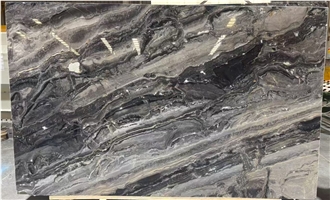
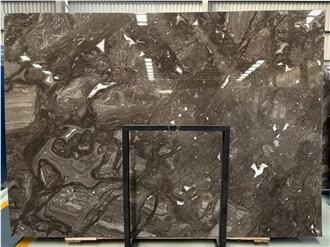
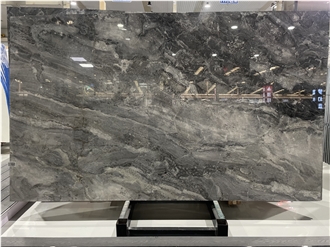
Venetian Grey Marble

Marble

Turkey

About

Item Details

Material Type:
Marble
Origin:
Turkey
Recommended Usage:
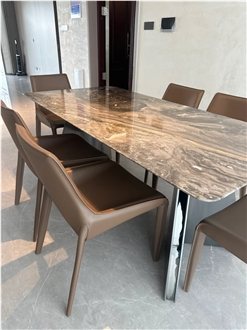
Kitchen and bathroom countertops, wash basins, building stone, ornamental stone, stairs, interior, exterior wall and floor applications, mosaic, waterjet pattern, wall panels, table tops, balustrades, columns, wall and pool copings, pool pavers, sculptures, fireplaces
Additional Names:
Venice Grey Marble, Venetian Brown Marble, Venice Brown Marble, Venetian Gray Marble, in China stone market: 威尼斯棕(Wēinísī zōng)
Finished Surface:
Polished,Bush Hammered,Tumbled,Brushed,Honed,Split,Machine Cut,Natural Surface,Sandblasted,Combed,Leathered,Water Jet,Filled,Chiseled,Pickling

Testing

Water Absorption:
0.28 % by weight
Density:
2710 kg/cm³
Flexural Strength:
8.4 MPa
Compressive Strength:
139.0 MPa

Description

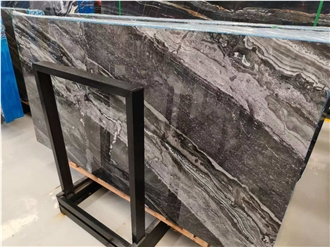
Venetian Grey Marble, quarried in Turkey, is an exquisite calcitic marble renowned for its harmonious blend of gray, brown, and beige tones. Its dramatic veining showcases intricate, flowing patterns that range from subtle lines to bold contrasts, imparting a dynamic, almost fluid quality to the stone.

Texture and Pattern:

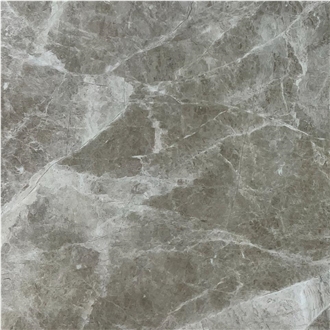
This marble features a fine to medium-grained texture with a wavy dark silver-gray background. Occasional soft gray hues and shades add depth, creating a sense of movement and sophistication. 

Physical Properties:

While specific test results for Venetian Grey Marble are not readily available, marbles of similar composition typically exhibit:

  • Density: Approximately 2,710 kg/m³.
  • Water Absorption: Around 0.282%, indicating low porosity and resistance to moisture penetration.
  • Compressive Strength: Approximately 139 MPa, reflecting its ability to withstand substantial loads.
  • Flexural Strength: Typically around 8.4 MPa, suggesting good resistance to bending forces.
  • Hardness: Marble generally ranks around 3 to 4 on the Mohs hardness scale, indicating moderate hardness suitable for various interior applications.

Chemical and Mineral Composition:

Marble is primarily composed of calcite (calcium carbonate, CaCO3), with possible traces of other minerals such as dolomite, quartz, and micas, contributing to the stone's color variations and patterns.

Usage:

Venetian Grey Marble is versatile and suitable for:

  • Flooring: Providing durable and elegant surfaces in both residential and commercial spaces.
  • Wall Cladding: Enhancing interior and exterior walls with a sophisticated look.
  • Countertops and Vanity Tops: Offering stylish and functional surfaces in kitchens and bathrooms.
  • Staircases and Windowsills: Adding a touch of luxury to architectural elements.
  • Mosaics and Decorative Elements: Creating intricate designs and patterns for aesthetic appeal.

Maintenance:

To maintain its appearance and longevity:

  • Sealing: Apply a high-quality sealant to protect against stains and moisture.
  • Cleaning: Use pH-neutral cleaners; avoid acidic or abrasive substances that can damage the surface.
  • Preventive Measures: Utilize coasters, trivets, and mats to guard against scratches and heat damage.

Cutting Sizes:

Venetian Grey Marble is available in various dimensions to accommodate different design requirements:

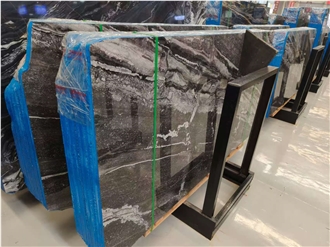
  • Slabs: Standard sizes range from 2100–2400 mm (83–94 inches) in length and 1200–1800 mm (47–71 inches) in width, with thicknesses of 20 mm (0.79 inches) or 30 mm (1.18 inches).
  • Tiles: Common sizes include 300×300 mm (12×12 inches), 600×300 mm (24×12 inches), and 600×600 mm (24×24 inches), with custom sizes available upon request.
  • Countertops and Vanity Tops: Customizable dimensions to fit specific project needs.

Surface Finish Options:

The marble can be finished in various ways to achieve the desired aesthetic:

  • Polished: Provides a glossy, reflective surface that enhances the stone's color and pattern.
  • Honed: Offers a smooth, matte finish for a more understated look.
  • Leathered: Features a soft, textured surface that adds depth and character.
  • Tumbled: Gives a weathered, antique appearance with a slightly rough texture.
  • Bush-Hammered: Creates a rugged, textured surface suitable for non-slip applications.
  • Sandblasted: Produces a finely textured, matte finish ideal for exterior uses.

These versatile finish options allow Venetian Grey Marble to be tailored to various design preferences and functional requirements.

FAQ

How can I give Venetian Grey Marble floor tiles an antique look?

There are several techniques you can use to give Venetian Grey Marble floor tiles an antique look: 1. Use a chemical antiquing solution: You can purchase a chemical antiquing solution that is specifically made for marble surfaces. Simply apply the solution to the tiles according to the manufacturers instructions, and allow it to sit for the recommended amount of time before wiping it off. This will give the tiles a slightly aged appearance. 2. Sanding: You can lightly sand the surface of the tiles to remove some of the shine and create a more antiqued look. Be sure to use a fine-grit sandpaper and gentle pressure to avoid damaging the marble. 3. Distressing: You can use a hammer, chisel, or other tools to distress the surface of the tiles and create small chips and scratches. This will give the tiles a weathered and worn appearance. 4. Staining: You can use a stain or dye specifically made for marble surfaces to darken the tiles and give them a more aged look. Be sure to follow the manufacturers instructions when applying the stain. 5. Sealing: After you have achieved the desired antique look, be sure to seal the tiles with a high-quality sealer to protect them from further damage and wear. This will also help to enhance the antique appearance of the tiles. Remember to test any products or techniques in an inconspicuous area first to ensure that they will achieve the desired effect without causing any damage to the marble tiles.

How can I restore the appearance of Venetian Grey Marble floors to make them look new again?

To restore the appearance of Venetian Grey Marble floors and make them look new again, follow these steps: 1. Clean the floors thoroughly using a mild detergent and warm water. Use a soft cloth or mop to scrub the surface and remove any dirt or grime. 2. For tougher stains, use a poultice paste made of baking soda and water. Apply the paste to the stained area, cover with plastic wrap, and leave it overnight to lift the stain. 3. Once the floors are clean, rinse them with clean water and dry them thoroughly with a soft cloth or towel. 4. Polish the marble floors using a marble polishing powder or cream. Apply the polish according to the manufacturers instructions and buff the floors to a high shine using a clean, dry cloth. 5. Seal the marble floors with a high-quality marble sealer to protect the surface from future stains and damage. Apply the sealer according to the manufacturers instructions and allow it to dry completely before walking on the floors. 6. Regularly maintain the marble floors by sweeping or vacuuming them regularly, wiping up spills promptly, and using coasters or felt pads on furniture legs to prevent scratching. By following these steps, you can restore the appearance of your Venetian Grey Marble floors and make them look new again.

Can 2cm thick Venetian Grey Marble be used for stair steps?

Yes, 2cm thick Venetian Grey Marble can be used for stair steps. However, it is important to consider the durability and safety of using marble for stair steps. Marble is a natural stone that can be prone to scratching and staining, so proper care and maintenance will be necessary to preserve the appearance of the stairs. Additionally, the thin thickness of the marble may increase the likelihood of cracking or breaking under heavy weight or frequent use. It is recommended to consult with a professional contractor or designer to ensure that the marble is suitable for use in stair steps and that proper installation techniques are followed.

Do fruit juices stain the surface of Venetian Grey Marble countertop?

Fruit juices can potentially stain the surface of Venetian Grey Marble countertop if not wiped up promptly. The acidity and pigmentation in certain fruits may cause discoloration if left on the surface for an extended period of time. It is important to clean up any spills or stains immediately and avoid leaving acidic liquids sitting on the marble for too long. Regular sealing and proper maintenance can also help protect the marble surface from stains and damage.

Is 2cm thick Venetian Grey Marble durable enough for use as garden walkway pavers?

Venetian Grey Marble is a beautiful and luxurious material, but it may not be the most durable option for use as garden walkway pavers. While it is strong and durable, it may not be able to withstand heavy foot traffic and outdoor elements as well as other materials such as concrete or natural stone. Additionally, the 2cm thickness may not be sufficient for use as walkway pavers, as it may be more prone to cracking and breaking under pressure. It is recommended to use thicker and more durable materials such as concrete or natural stone for garden walkway pavers to ensure longevity and durability.

Does the surface of Venetian Grey Marble countertop scratch easily?

Venetian Grey Marble is a natural stone that is known for its durability and longevity. However, like all natural stones, it can still be susceptible to scratches if not properly cared for. It is important to use cutting boards and avoid sliding sharp or abrasive objects across the surface to prevent scratching. Regular cleaning and sealing can also help protect the surface from scratches and maintain its beauty.

Can 2cm thick Venetian Grey Marble be used for swimming pool terrace pavement?

Yes, 2cm thick Venetian Grey Marble can be used for swimming pool terrace pavement. However, it is important to ensure that the marble is properly sealed and that the surface is slip-resistant to prevent accidents around the pool area. Additionally, proper maintenance and care will be needed to ensure the longevity and durability of the marble in a high-traffic and water-prone area like a swimming pool terrace.

Can Venetian Grey Marble be used as a kitchen countertop?

Yes, Venetian Grey Marble can be used as a kitchen countertop. Marble is a natural stone that is durable and heat resistant, making it a popular choice for kitchen countertops. However, it is important to note that marble is more porous than some other countertop materials, so it may require sealing to prevent staining and etching from acidic substances like citrus fruits or vinegar. With proper care and maintenance, Venetian Grey Marble can make a beautiful and elegant addition to any kitchen.

How can I maintain Venetian Grey Marble polished finish flooring tiles?

To maintain the polished finish of Venetian Grey Marble flooring tiles, follow these steps: 1. Regularly sweep or vacuum the floors to remove dirt and debris that can scratch the surface of the tiles. 2. Mop the floors with a mild cleaning solution made specifically for marble tiles. Avoid using harsh chemicals or abrasive cleaners, as they can damage the polished finish. 3. Wipe up spills immediately to prevent stains from setting into the marble. 4. Avoid dragging heavy furniture or objects across the floor, as this can scratch the surface of the tiles. 5. Use rugs or mats in high-traffic areas to protect the marble from wear and tear. 6. Periodically reseal the marble tiles to protect the polished finish and prevent staining. Check with the manufacturer for recommended sealants and maintenance schedules. 7. If the tiles become dull or scratched, consider hiring a professional marble restoration specialist to polish and refinish the floor. By following these steps, you can keep your Venetian Grey Marble flooring tiles looking beautiful and polished for years to come.

Products & Prices

View More

Hot Marble

New Marble

Post Your Request

The request includes:
  1. surface finished, size
  2. quantity required