Post Your Needs

Verde Boana Marble

Marble

Italy

About

Item Details

Material Type:
Marble
Origin:
Italy (Vagli di Sopra, Provincia di Lucca, Toscana)
Recommended Usage:
kitchen and bathroom countertops, wash basins, building stone, ornamental stone, stairs, interior, exterior wall and floor applications, mosaic, waterjet pattern, wall panels, table tops, balustrades, columns, wall and pool copings, pool pavers, sculptures, fireplaces, window sills
Additional Names:
Verde Luana Marble, Cipollino Ondulato Marble, Green Luana Marble, Luana Green Marble, Cipollino Luana Marble, Cipollino Green Marble, Verde Cipollino Marble, Marmo Verde Luana
Finished Surface:
Polished,Bush Hammered,Tumbled,Brushed,Honed,Split,Machine Cut,Natural Surface,Sandblasted,Combed,Leathered,Water Jet,Chiseled,Pickling

Testing

Water Absorption:
0.15% by weight
Density:
2700 kg/m³
Flexural Strength:
14 MPa
Compressive Strength:
110 MPa

Description

Verde Boana Marble is a distinctive and highly decorative Italian natural stone quarried in Vagli di Sopra, Provincia di Lucca, Tuscany. It is known for its vivid green coloration, dynamic veining, and naturally textured structure, making it a unique material in the family of green Italian marbles. The stone is widely appreciated in architectural and design applications for its expressive movement and organic appearance.

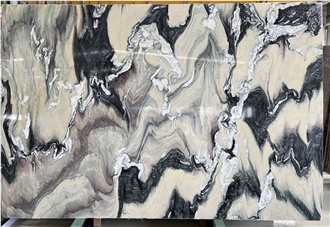
Color and Appearance: Verde Boana Marble is characterized by a vibrant and varied green color palette, ranging from light pistachio green to deeper forest and olive green tones. These shades are interwoven with wavy, flowing veins that create a lively and energetic visual effect across the surface. Occasional white calcite intrusions appear as natural accents, adding contrast and enhancing the complexity of the design. The overall appearance is dynamic, irregular, and highly natural, with each slab presenting a unique visual composition.

Texture & Structure: The stone has a non-crystalline, lamellar to slightly serpentine texture, differing from classic granular marbles. This structure gives the surface a natural, slightly directional fabric with a subtle layered feel. The internal composition is dense but heterogeneous, with micro-fractures and natural variations typical of metamorphic green stones. Due to this structure, resin treatment is commonly applied to stabilize micro-defects and enhance surface integrity, especially before polishing.

Testing:

  • Water Absorption: 0.15% by weight
  • Density: 2700 kg/m³
  • Flexural Strength: 14 MPa
  • Compressive Strength: 110 MPa
  • Mohs hardness: ~3–4 (calcitic to slightly siliceous marble composition)

Chemical & Mineral Composition (Typical by Weight %):

  • Calcium Carbonate (CaCO₃): 70–85%
  • Serpentine minerals: 10–25% (responsible for green coloration)
  • Dolomite: 1–5%
  • Silicates and accessory minerals: 1–5%
  • Iron compounds: trace amounts contributing to tonal variation

Pattern & Visual Characteristics: Verde Boana Marble exhibits irregular, wavy veining with strong directional movement. The pattern is highly variable, often featuring flowing green bands, cloudy transitions, and occasional white inclusions. Each slab is unique, with no repetitive structure, making it ideal for feature applications and statement surfaces.

Usage Applications: Interior flooring, wall cladding, bathroom surfaces, feature walls, fireplaces, staircases, luxury commercial interiors, boutique retail spaces, and decorative architectural elements. Suitable for both contemporary and classical design schemes.

Maintenance: Resin-treated surfaces should be cleaned with pH-neutral stone cleaners only. Regular sealing is recommended depending on usage conditions. Acidic and abrasive substances should be avoided to preserve surface integrity and natural color depth.

Surface Finishes: Polished, honed, brushed, leathered, sandblasted, tumbled, and machine-cut finishes are available. Polished finishes highlight the stone’s vivid green tones, while honed and leathered finishes emphasize its natural, organic texture.

General Note: Verde Boana Marble is a highly expressive Italian green stone valued for its natural movement, layered texture, and strong visual identity, making it a premium choice for distinctive architectural and interior design projects.

FAQ

Can I use bleach when cleaning a Verde Boana Marble kitchen countertop?

Using bleach on a Verde Boana Marble kitchen countertop is not recommended. Marble is a natural stone that is sensitive to acidic and harsh chemical cleaners, including bleach. These substances can etch the surface, causing dull spots and potential discoloration. Instead, use a pH-neutral cleaner specifically designed for natural stone. A mixture of mild dish soap and water, applied with a soft cloth or sponge, is a safer alternative for cleaning marble surfaces. Always be sure to rinse thoroughly and dry the countertop to prevent water spots.

If I cut meat directly on my Verde Boana Marble kitchen countertop, will it damage the surface?

Yes, cutting meat directly on your Verde Boana Marble countertop is not recommended. Marble is a relatively soft and porous stone, making it susceptible to scratching and etching from sharp objects like knives. Additionally, raw meat can introduce bacteria to the countertop surface, which can penetrate the pores of the marble and lead to staining or contamination. To protect your marble countertop and ensure food safety, its best to use a separate cutting board when preparing meat or any other foods. This will help maintain the integrity of your countertop and keep it looking good for years to come.

My Verde Boana Marble kitchen countertop edge is broken. How can I glue it back, and will it look like before?

Repairing a broken edge on your Verde Boana Marble countertop can be quite challenging, but it is possible to achieve a satisfactory result by taking careful steps. Here’s how you can attempt the repair: 1. **Clean the Surface:** - Thoroughly clean both the broken edge and the countertop surface where it will be reattached. Use a mild detergent and water to remove any grease or dirt. Allow it to dry completely. 2. **Prepare the Marble:** - If there are any jagged or sharp protrusions on the break line, gently sand them down using fine-grit sandpaper. This will help the pieces fit together more closely. 3. **Choose the Right Adhesive:** - Use a high-quality epoxy resin or a special marble adhesive designed for stone repair. These adhesives are strong and can bond the marble effectively. Make sure it is a clear adhesive to blend with the natural color of the marble. 4. **Apply the Adhesive:** - Carefully apply a thin layer of epoxy on both broken surfaces. Be sure to follow the adhesive manufacturer’s instructions for mixing and setting times. 5. **Join the Pieces:** - Align the broken edge with the countertop carefully and press them together. Make sure the seam is as tight and as exact as possible. 6. **Secure and Cure:** - Use clamps or heavy objects to hold the pieces together firmly while the adhesive cures. This can take several hours to a full day, depending on the adhesive used. 7. **Clean Excess Adhesive:** - Once the adhesive starts to set but before it’s fully hardened, clean off any excess with a putty knife or a plastic scraper. Take care not to scratch the marble surface. 8. **Polish the Edge:** - After the adhesive has fully cured, you may need to polish the repair area to match the rest of your countertop. Use a marble polishing compound and a soft cloth or a mechanical polisher to achieve a seamless look. 9. **Seal the Marble:** - Marble is porous, so its wise to apply a stone sealer after repair, especially in a kitchen setting. This will help protect the marble from spills and stains in the future. ### Considerations: - **Professional Help:** If youre not confident about the repair, consider hiring a professional stone repair technician. They have specialized tools and experience that can ensure a more inconspicuous repair. - **Color Matching:** Depending on the pattern and color variation in your Verde Boana Marble, the repaired section might still be slightly noticeable. For a perfect color match, professionals might use color-tinted epoxies or mix pigments to match the stone. - **Durability:** While a good repair can be durable, it might not fully restore the original strength of the marble. Avoid putting heavy weight or stress on the repaired edge. With care and attention, you can repair your countertop to a satisfactory state, but a perfectly invisible fix can be difficult to achieve, especially if the marble has a distinct pattern.

Is 2cm thick Verde Boana Marble durable enough for use as outdoor terrace pavers?

Verde Boana Marble, like many natural marbles, is generally more porous and softer compared to other natural stones such as granite or certain types of limestone, which may affect its long-term durability, particularly in outdoor settings. When it comes to outdoor use, especially as terrace pavers, several factors should be considered: 1. **Durability and Wear**: Marble is prone to scratching and can wear down over time when exposed to high foot traffic. If the terrace will see heavy use, the marble may show signs of wear faster than a harder stone. 2. **Weather Resistance**: Marble can be affected by weather conditions. Freeze-thaw cycles in colder climates can cause the stone to crack or spall. In hot climates, excessive sun can cause fading. 3. **Porosity and Staining**: Being more porous, marble can absorb moisture and be prone to stains. This can be mitigated to some extent with proper sealing, but continued maintenance will be required to keep the stone looking its best. 4. **Thickness**: A thickness of 2cm could be suitable for areas with lighter use, but for areas that will support significant weight or high foot traffic, a thicker and more durable option might be advisable. 5. **Slip Resistance**: Marble tends to be quite smooth, which can become slippery when wet. If using it as a terrace paver, it’s important to consider the finish of the stone to ensure adequate slip resistance. If you decide to use Verde Boana Marble for outdoor pavers, its crucial to seal the stone properly and regularly to protect against moisture and stains. Also, consulting with a stone specialist or a construction expert who can assess the specific environmental conditions and usage patterns in your area might provide more tailored advice. Additionally, they might recommend other materials or treatments that could provide a more robust solution for your particular needs.

Does polished surface Verde Boana Marble floor tiles scratch easily?

Polished surface Verde Boana Marble is generally more susceptible to scratching compared to harder materials like granite or quartz. Marble is a softer stone, and while the polished finish can provide a certain level of protection and make the surface more resistant to staining, it does not make it immune to scratches. To minimize scratching, it is important to maintain the marble properly by using appropriate cleaning solutions, using mats or rugs in high-traffic areas, and avoiding dragging heavy or sharp objects across the floor. Regular sealing of the marble can also help protect it from scratches and other kinds of damage.

Can 1cm thickness Verde Boana Marble be used as a kitchen cutting board?

Using 1cm thickness Verde Boana Marble as a kitchen cutting board is generally not recommended. While marble can be aesthetically pleasing and durable for certain applications like countertops, it has several drawbacks when used as a cutting board: 1. **Surface Damage**: Marble is a relatively soft stone compared to other materials like granite. Cutting directly on marble can lead to scratches and dulling of both the stone and your knives. 2. **Porosity**: Marble is a porous material, which makes it prone to staining. Absorption of juices from foods like fruits, vegetables, or meats can leave permanent stains on the marble. 3. **Acid Sensitivity**: Marble is sensitive to acids like lemon juice, vinegar, and tomato juice, which can cause etching—a dulling of the surface and sometimes a lighter color. 4. **Brittleness**: At 1cm thickness, the stone might be more susceptible to cracking or breaking under heavy impact or if dropped. Instead, it is better to use cutting boards made from materials like wood or plastic, which are gentler on knives and more resilient to damage from cutting. If you wish to incorporate marble into your kitchen for aesthetic purposes, consider using it for countertops or backsplashes rather than as a cutting board.

Products & Prices

Hot Marble

New Marble

Post Your Request

The request includes:
  1. surface finished, size
  2. quantity required