Post Your Needs

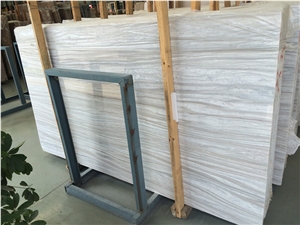
Veria White Marble

White - Marble

Greece

About

Item Details

Material Type:
Marble
Origin:
Greece (Kastania, Veria (Veroia), Imathia)
Primary Color(s):
White
Recommended Usage:
exterior and interior wall and floor applications, countertops, monuments, mosaic, fountains, pool and wall copping
Additional Names:
Veria White, Veria Bianco Marble, White of Veria, Veroias White, White Veria, Veria Semi White, Bianco Veria Marble, Veria White Afrodite Marble, Veria Afroditi White Marble, Veria White Marble
Finished Surface:
Polished,Tumbled,Brushed,Honed,Machine Cut,Natural Surface,Sandblasted,Water Jet,Filled

Testing

Water Absorption:
0.08 By weight %
Density:
2714 kg/m3
Flexural Strength:
21.4 MPa
Compressive Strength:
110 - 112.2 MPa

Description

Veria White Marble (also called Veria Bianco Marble) is crystallized white with light grey zebrano veins which extracted in the wider area of Veria, in Northern Greece.

Finishes available:Polished, sawn Cut, Sanded, Rockfaced, Sandblasted, Bushhammered, Tumbled, Thermalled, Natural Cleft, Weatheredge
Veria White Marble can be commonly used; Exterior - Interior wall and floor applications, countertops, monuments, mosaic, fountains, pool and wall capping, stairs, window sills, etc

APPARENT SPECIFIC DENSITY (ASTMC-97) 2714

WATER ABSORPTION % wt (ASTM C-97) 0,08
COMPRESSIVE STRENGTH, MPa (ASTM C-170) 110
FLEXURAL STRENGTH - WET CONDITION, MPa (ASTM C-99) 21
ABRASION RESISTANCE, mm (DIN 52108 - 20 CYCLES) 5,69
MINERALOGICAL COMPOSITION, % wt
CALCITE  98,00 
DOLOMITE  1,00 
QUARTZ  1,00
CHEMICAL ANALYSIS, % wt
CaO  54,9  MgO  0,25  SiO2  0,06 
Fe2O3  0,14  AI2O3  0,4  K2O  0,04 
Na2O  0,07  MnO  0,02  LOI  43,20

FAQ

Can Greece's Veria White Marble be used in landscaping?

Yes, Greeces Veria White Marble can be used in landscaping. Its elegant white color and natural veining make it a popular choice for various landscaping applications such as garden pathways, patios, outdoor flooring, steps, walls, and decorative features. The durability and longevity of Veria White Marble make it suitable for outdoor use, and its appearance adds a touch of luxury and sophistication to any landscape design.

What is the standard height of a Veria White Marble balustrade?

The standard height of a Veria White Marble balustrade can vary based on the specific design and purpose. However, a typical standard height for a Veria White Marble balustrade is around 36 inches (91 cm) from the base to the top railing. It is important to note that height requirements may vary depending on local building codes and regulations, as well as individual project specifications.

I want to sculpt Veria White Marble with CNC milling and carving tools. What size do you recommend?

The size of the CNC milling and carving tools for sculpting Veria White Marble depends on the level of detail you want to achieve and the scale of your sculpture. Here are some general recommendations: 1. Roughing tool: For initial material removal, you can use a larger tool with a diameter between 10mm (0.4 inches) and 20mm (0.8 inches). This will help rough out the basic shape of your sculpture efficiently. 2. Finishing tool: To add finer details and smooth surfaces, you will need a smaller tool. A diameter of 3mm (0.12 inches) to 8mm (0.3 inches) works well for intricate work, such as adding texture or refining edges. 3. V-bit carving tool: If you want to incorporate intricate designs, text, or shallow relief carvings, using a V-bit carving tool with various angles (30°, 60°, or 90°) is recommended. These tools can create crisp lines and smooth curves. Remember, the size and type of tools may vary based on the specific design, depth of cut, and your personal preference. It is always a good idea to experiment and test on a small sample first before proceeding with your final sculpture.

Do Veria White Marble countertops sit directly on cabinets?

Yes, Veria White Marble countertops can be installed directly on cabinets. The cabinets provide the necessary support for the weight of the countertop. However, it is recommended to have a professional install the countertop to ensure it is properly secured and leveled.

Which is the best durable white marble?

Carrara marble is considered to be one of the best and most durable types of white marble available. It is known for its elegant and timeless appearance, with a white base and subtle gray veining. Carrara marble is commonly used in high-end design and construction projects due to its durability and classic beauty.

What is the most expensive marble countertops?

The most expensive marble countertops are typically made from high-end and rare marble varieties. Some of the most expensive marble countertops include Calacatta Oro, Calacatta Borghini, Calacatta Michelangelo, and Arabescato Corchia. These marble types can cost upwards of several hundred dollars per square foot. The price can vary depending on factors such as availability, quality, and demand.

What are the types of kitchen countertop edge profiles?

There are several types of kitchen countertop edge profiles to choose from. Here are some popular options: 1. Straight Edge: This is a simple, straight-cut edge that gives a clean and contemporary look to the countertop. 2. Eased Edge: Also known as a softened edge, this profile features slightly rounded corners. It provides a sleek and modern appearance while minimizing sharp edges. 3. Beveled Edge: This profile features an angled cut along the top and bottom edges of the countertop, usually at a 45-degree angle. It adds dimension and visual interest to the countertop. 4. Bullnose Edge: This rounded edge profile creates a gentle curve on the top edge of the countertop. It has a classic and timeless look that is easy to clean and maintain. 5. Ogee Edge: This profile has an elegant and ornate S-shaped curve on the top edge of the countertop. It adds a decorative touch and a touch of sophistication to the kitchen. 6. Half-Bullnose Edge: Similar to the bullnose edge, this profile features a semi-rounded top edge but has a sharper underside edge. It combines the simplicity of a straight edge with the softness of a round edge. 7. Waterfall Edge: This profile continues the material from the top of the countertop down the sides, creating a seamless, cascading effect. It provides a modern and luxurious look. These are just a few examples, and there are other edge profiles available, such as cove, chiseled, and dupont edges. The choice of countertop edge profile depends on personal preference and the overall design aesthetic of the kitchen.

What is the best natural stone for kitchen countertops?

There are several natural stone options that are popular for kitchen countertops, but determining the best stone depends on personal preferences and priorities. Here are a few commonly recommended natural stone choices for kitchen countertops: 1. Granite: Known for its durability and wide range of colors and patterns, granite is a popular choice for kitchen countertops. It is resistant to scratches, heat, and stains when properly sealed. 2. Marble: Renowned for its elegance and timeless beauty, marble offers a unique veining and smooth surface. However, marble is softer and more prone to scratching and staining compared to granite, requiring regular maintenance and sealing. 3. Quartzite: Frequently mistaken for marble due to its similar appearance, quartzite is actually a harder and more durable natural stone. It resists heat and stains well, making it suitable for kitchen countertops. 4. Soapstone: Known for its unique smooth, matte finish and natural dark color, soapstone is an excellent choice for those seeking a traditional or rustic look. It is heat-resistant but can scratch easily, although scratches can be easily sanded out. 5. Slate: While less common, slate countertops provide a sleek and contemporary appearance. They are durable, heat-resistant, and less porous than other stones, making them less prone to staining. Ultimately, the best natural stone for a kitchen countertop depends on personal preferences for appearance, durability, maintenance requirements, and budget. It is crucial to research and consider these factors before making a decision.

What is the coefficient of friction of Filled Greece's Veria White Marble tiles?

I apologize, but I couldnt find any specific information on the coefficient of friction of Filled Greeces Veria White Marble tiles. The coefficient of friction can vary depending on the specific type of marble and its finish. It is recommended to consult with a marble supplier or manufacturer for accurate information on the coefficient of friction for the specific tiles you are interested in.

Are there color variations of Greece's Veria White Marble?

Yes, there are color variations of Greeces Veria White Marble. While the base color is typically white, the marble may exhibit variations in shade and veining patterns. Some variations may include gray veins, light beige markings, or subtle hints of other colors. These natural variations are a result of the unique geological composition and formation process of the marble.

Products & Prices

View More

Hot White Marble

New Marble

Post Your Request

The request includes:
  1. surface finished, size
  2. quantity required