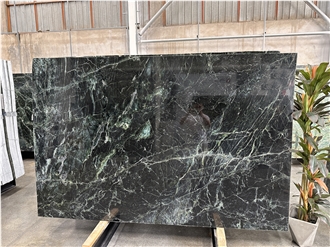
Vermont Green Marble

About
Item Details
- Material Type:
- Marble
- Origin:
United States (Sugar Hollow Road Pittsford, Vermont) - Primary Color(s):
- Green
- Recommended Usage:
- kitchen and bathroom countertops, wash basins, building stone, ornamental stone, stairs, interior, exterior wall and floor applications, mosaic, waterjet pattern, wall panels, table tops, balustrades, columns, wall and pool copings, pool pavers, sculptures, fireplaces, window sills
- Additional Names:
- Vermont Verde Antique Marble, Verde Cavendish Marble, Vermont Windham Green Marble, Vermont Green Marble
- Finished Surface:
- Polished,Bush Hammered,Tumbled,Brushed,Honed,Split,Machine Cut,Natural Surface,Sandblasted,Combed,Leathered,Water Jet,Chiseled,Pickling
Testing
- Water Absorption:
- 0.15 %
- Density:
- 2870 kg/m3
- Flexural Strength:
- 33.37 MPa
- Compressive Strength:
- 180.29 MPa
Description
Vermont Green Marble is a captivating natural stone, known for its exotic dark green hue with striking white veining patterns. This marble is a form of serpentine, quarried from the picturesque landscapes of Sugar Hollow Road in Pittsford, Vermont, USA. The distinct coloration and unique veining make it a sought-after choice for various architectural and decorative applications.
Physical and Mechanical Properties:
- Water Absorption by Weight: 0.15% — ASTM C97
- Bulk Density: 2,867.3 kg/m³ (179 lb/ft³) — ASTM C97
- Compressive Strength: 26,124 psi (180.29 MPa) — ASTM C170
- Abrasion Resistance (Hardness): 110 — ASTM C241
- Flexural Strength: 4,178 psi (33.37 MPa) — ASTM C880
- Hardness: Typically harder than average marbles due to serpentine composition, giving it resistance to scratching.
- Porosity: Low. Less porous than many marbles, which enhances its stain-resistant properties.
- Slip Resistance: Considered moderate; however, the slip resistance can be enhanced with certain finishes.
Chemical and Mineral Composition (% by weight):
- Serpentine Minerals: Dominates the composition, imparting the green color.
- Calcite: Present in small amounts, contributing to veining and coloration.
- Magnesium Silicate: Key component in making it serpentine.
- Other Trace Minerals: Contribute to the unique veining and color variations.
Usage:
- Interior Flooring: Ideal for residential and commercial spaces due to its aesthetic appeal and durability.
- Wall Cladding: Popular choice for enhancing the visual appeal of walls in interior spaces.
- Countertops: Notably used in kitchens and bathrooms for its unique aesthetics and strength.
- Fireplaces: Adds elegance to fireplace surrounds with its distinctive color and veining.
- Furniture Tops: Used for custom table tops and other furniture applications.
Maintenance:
- Regular Cleaning: Use a damp cloth or mop with a neutral pH cleaner to maintain its shine.
- Sealant Application: Occasional resealing is recommended to enhance resistance to staining and etching.
- Avoid Harsh Chemicals: Acidic or abrasive cleaners should be avoided to preserve the marble's surface.
Available Common Surface Finish Options:
- Polished: Offers a glossy, reflective surface that enhances the marble's natural beauty and color.
- Honed: Provides a smooth, matte finish that reduces glare and offers a subtler appearance.
- Brushed/Antiqued: Gives a textured surface, which can enhance slip resistance and hide wear.
Vermont Green Marble is a versatile material that combines aesthetic appeal with functional properties, making it a valuable addition to various design projects. When selecting this marble for your next project, consider its robust mechanical properties, captivating appearance, and maintenance needs to ensure it meets the specific requirements of your application.
FAQ
Yes, Vermont Green Marble can be used for exterior applications in rainy climates. It is known for its durability and resistance to weathering, making it suitable for various outdoor uses such as paving, cladding, and landscaping. However, it is always recommended to consult with a professional to ensure proper installation and maintenance practices to enhance the longevity and performance of the marble in a specific climate.
What is the coefficient of friction of Leathered United States's Vermont Green Marble tiles?
The coefficient of friction for a specific material, in this case, Leathered United Statess Vermont Green Marble tiles, can vary depending on various factors such as the tiles surface finish, texture, and the environment in which it is installed. To determine the specific coefficient of friction for this particular type of marble tile, it is recommended to consult the manufacturer or supplier of the material. They would be able to provide you with the necessary information regarding the coefficient of friction for their specific product.
Can United States's Vermont Green Marble be used in landscaping?
Yes, Vermont Green Marble can be used in landscaping. It is a type of marble that is known for its rich green color and can be used in various landscaping applications such as decorative pathways, garden accents, retaining walls, and even as a material for outdoor furniture. Its natural beauty and durability make it a popular choice for adding a touch of elegance to outdoor spaces.
What grade is United States's Vermont Green Marble?
United Statess Vermont Green Marble is considered to be of the highest quality and is often graded as Grade A or Extra Select.
Can United States's Vermont Green Marble be used in a office?
Yes, Vermont Green Marble can definitely be used in an office setting. Its natural green color and unique veining patterns can add a sophisticated and elegant touch to any office space. Whether used for flooring, countertops, or wall cladding, Vermont Green Marble can create a visually appealing and professional environment in an office. It also offers durability and easy maintenance, making it a suitable choice for high-traffic areas.
Can United States's Vermont Green Marble be used outdoors?
Yes, Vermont Green Marble can be used outdoors. It is a durable and weather-resistant material, making it suitable for various outdoor applications such as countertops, tiles, pavers, and sculptures. It can withstand exposure to varying climatic conditions without deteriorating or losing its aesthetic appeal. However, it is always important to ensure proper installation and maintenance to enhance its longevity and prevent any potential damage.
Are there color variations of United States's Vermont Green Marble?
There are some variations of Vermont Green Marble in terms of color. The marble can range from a deep green to a light green color, and some slabs may have darker veins or streaks as well. Additionally, the intensity of the green color can vary depending on the location within the quarry where the marble was obtained.
How thick is United States's Vermont Green Marble slabs?
The thickness of Vermont Green Marble slabs can vary depending on the specific cut and intended use. However, common thicknesses range from 1cm (0.4 inches) to 3cm (1.2 inches).
Is United States's Vermont Green Marble an expensive stone?
I dont have up-to-date pricing information for Vermont Green Marble. However, it can be relatively expensive compared to other types of marble due to its rarity, quality, and unique coloration. Pricing can also depend on factors such as availability, location, quantity, and customization. It is best to check with a reputable stone supplier or manufacturer for current pricing and availability.


10YR