Post Your Needs

Victoria Green Marble

Marble

China

About

Item Details

Material Type:
Marble
Origin:
China (Xinjiang)
Recommended Usage:
kitchen and bathroom countertop, wash basins, building stone, ornamental stone, stairs, interior, exterior wall and floor applications, mosaic, water-jet pattern, wall panels, table tops, balustrades, columns, wall and pool copings, pool pavers, sculptures, fireplaces, window sills
Additional Names:
China Verde Alpi Marble, Prada Green Marble, Xinjiang Victoria Green Marble, Xinjiang Green Marble, in China stone market:维多利亚绿(Wéiduōlìyà Lǜ), Victoria Green Marble
Finished Surface:
Polished,Bush Hammered,Tumbled,Brushed,Honed,Split,Machine Cut,Natural Surface,Sandblasted,Combed,Leathered,Water Jet,Chiseled,Pickling

Testing

Water Absorption:
0.15 - 0.35% by weight
Density:
2690 - 2740 kg/m³
Flexural Strength:
10 - 13 MPa
Compressive Strength:
100 - 120 MPa

Description

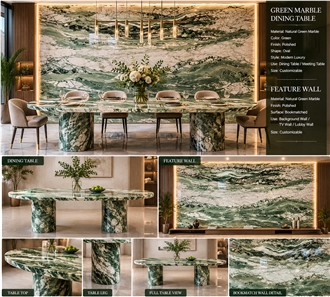
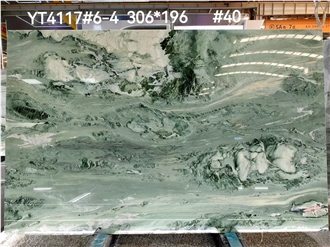
Victoria Green Marble features a deep, rich emerald-green to forest-green background accented by striking light-green and creamy veins. Its polished surface enhances the depth of color, crystalline details, and contrast between dark and pale green tones, creating an elegant and luxurious appearance.

Texture & Structure

The stone has a crystalline texture with fibrous-looking mineral patterns and naturally varied tonal zones. Its surface is generally smooth when polished, with areas of subtle translucency and mineral variation that contribute to its distinctive visual depth.

Pattern & Veining

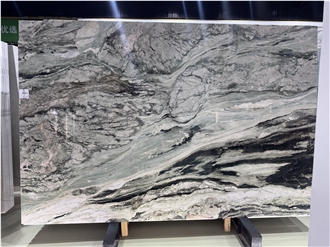
Victoria Green Marble displays organic, flowing veins that branch and intertwine in a misty, web-like structure. Translucent light-green and creamy streaks contrast with the deep green background, producing a dynamic pattern reminiscent of flowing water or natural foliage. Each slab varies in vein distribution, color intensity, and pattern.

Technical Characteristics

The following figures are indicative estimates for comparable green marbles from China, not verified laboratory results for Victoria Green Marble.

  • Water Absorption: 0.15–0.35% by weight
  • Bulk Density: 2,690–2,740 kg/m³
  • Flexural Strength: 10–13 MPa
  • Compressive Strength: 100–120 MPa
  • Mohs Hardness: Approximately 3–4
  • Porosity: Generally low to moderate, depending on the stone's mineral structure
  • Abrasion Resistance: Moderate; varies with mineral composition and finish

Chemical & Mineralogical Composition

The exact composition requires petrographic and laboratory analysis. The following is a provisional range for carbonate-rich green marble and should not be treated as a certified analysis.

  • Calcite (CaCO₃): 70–95% by weight
  • Dolomite (CaMg(CO₃)₂): 1–15% by weight
  • Quartz (SiO₂): 0–5% by weight
  • Chlorite and other green minerals: 1–10% by weight
  • Iron-bearing minerals and other accessory minerals: Trace to several percent

The proportions vary between quarry blocks. The green coloration may be associated with chlorite, serpentine-group minerals, or other colored mineral phases.

Recommended Uses

Victoria Green Marble is suitable for interior wall cladding, feature walls, decorative panels, bathroom vanities, fireplace surrounds, flooring in light- to moderate-traffic areas, staircases, tabletops, reception counters, luxury furniture, and ornamental applications. Countertops may be used with appropriate sealing and care. Exterior applications should be evaluated for weather resistance and local environmental conditions.

Usage & Maintenance

Clean the surface with a soft cloth and a pH-neutral stone cleaner. Avoid acidic cleaners, vinegar, lemon juice, abrasive powders, and harsh chemicals, as these may etch or damage the marble. Apply a suitable penetrating stone sealer where appropriate, especially on countertops and bathroom surfaces. Wipe spills promptly and use coasters and cutting boards to reduce staining and scratching. For flooring, choose a suitable finish and maintain it regularly to preserve its appearance.

FAQ

Can scratches and dull spots on Victoria Green Marble be repaired?

Yes, scratches and dull spots on Victoria Green Marble can typically be repaired. Here are some steps to help address these issues: 1. **Cleaning**: Start by thoroughly cleaning the marble surface with a pH-neutral cleaner specifically designed for natural stone. This will remove any dirt or debris that might impede the repair process. 2. **Assessing Damage**: Determine the severity of the scratches or dull spots. Light surface scratches and minor dullness can often be resolved with DIY methods, while deeper scratches may require professional attention. 3. **Polishing**: - **For minor scratches and dull spots**: Use a marble polishing powder or a marble polishing compound. Apply it to the affected area following the manufacturers instructions. You usually need to use a soft cloth or a low-speed polisher with a polishing pad. - **For more significant damage**: You might need to use a finer grit diamond polishing pad and a buffer. This method requires more skill and care, as using the wrong grit can further damage the marble. 4. **Sealing**: After polishing, consider applying a sealant designed for marble surfaces to protect against future damage and staining. 5. **Professional Help**: If the damage is extensive or youre not comfortable performing the repairs yourself, consider hiring a professional stone restoration specialist. They have the tools and experience needed to restore the marble to its original condition. By taking these steps, you can often restore the beauty of your Victoria Green Marble and maintain its condition for years to come. Remember to periodically clean and reseal the marble to keep it looking its best.

Is Victoria Green Marble resistant to heat?

Victoria Green Marble, like many natural stones, has some degree of heat resistance, but it is not entirely immune to heat damage. Marble is a metamorphic rock composed primarily of calcite, which has a lower resistance to heat compared to other materials such as granite. While brief contact with hot items like pots or pans might not cause immediate damage, prolonged exposure or placing extremely hot objects directly on the surface can result in discoloration, scorch marks, or even cracks. To preserve the appearance and integrity of Victoria Green Marble, its recommended to use trivets or heat pads under hot items. For specific maintenance and care instructions, its always good to consult with the supplier or a professional who can provide guidance based on the particular characteristics of the marble you have.

How should Victoria Green Marble slabs be installed on walls?

Installing Victoria Green Marble slabs on walls is a task that requires attention to detail and proper technique to ensure both aesthetic appeal and structural integrity. Here is a general guide for installing marble slabs: 1. **Preparation:** - **Surface Cleaning:** Ensure the wall is clean, dry, and free of any dust or debris. Use a mild cleaner if necessary and allow the wall to dry completely. - **Wall Reinforcement:** Ensure that the wall is strong enough to support the weight of the marble slabs. Reinforcement might be necessary for certain structures. 2. **Measurement and Planning:** - **Layout Planning:** Plan the layout of the marble slabs to minimize cuts and maximize symmetry. It is helpful to dry-lay the slabs on the floor to visualize the final look. - **Measurement:** Carefully measure the area to determine the number and size of slabs needed. Account for grout lines if applicable. 3. **Cutting the Marble:** - If required, cut the slabs to size using a wet saw with a diamond blade to ensure precise cuts and prevent cracking. Always wear safety gear when cutting marble. 4. **Adhesive Application:** - Use a high-quality adhesive suitable for marble. A polymer-modified thin-set mortar is typically used. - Apply the adhesive to the wall using a notched trowel, ensuring an even coat. 5. **Installing the Slabs:** - Start at the bottom of the wall and work your way up. - Press each marble slab into place firmly, ensuring it is level and flush with adjacent slabs. - Use a rubber mallet to gently tap the slabs into place and make adjustments as necessary. 6. **Grouting:** - If required, apply non-staining grout between the slabs once the adhesive is fully cured. Plastic spacers can help achieve consistent grout lines. - Use a grout float to apply the grout, working it into the spaces and wiping off excess with a damp sponge. 7. **Sealing the Marble:** - Once the grout has cured, apply a penetrating sealant to protect the marble from stains and moisture. Follow the manufacturer’s instructions for application. 8. **Finishing Touches:** - Clean the surface of the marble with a soft cloth to remove any residue. - Inspect the installation for any gaps or imperfections and address them as needed. 9. **Curing:** - Allow the installation to cure undisturbed for the time specified by the adhesive and grout manufacturers before exposing it to moisture or heavy handling. It may be beneficial to consult or hire a professional installer, especially when dealing with large or heavy marble slabs, to ensure a quality finish and to handle any potential challenges during installation properly.

What adhesive should be used to install Victoria Green Marble?

Victoria Green Marble, like other green marbles, can be prone to warping and discoloration when it comes into contact with water-based adhesives. This is because many green marbles have serpentine content, which can absorb water and lead to these issues. To install Victoria Green Marble, its recommended to use epoxy-based adhesives instead of standard cement-based thin-set mortars. Here are some key recommendations: 1. **Epoxy-based Adhesive:** Use a two-part epoxy adhesive specifically designed for stone tile installations. These adhesives are non-water based, ensuring the marble does not warp or discolor. 2. **Flexible Setting Materials:** Ensure the setting material allows for some flexibility, accommodating any minor movements in the substrate without compromising the marble. 3. **Professional Installation:** Consider hiring a professional with experience in handling green marble, as they will have expertise in choosing the right products and techniques. 4. **Consult Manufacturer Recommendations:** Always check with the marble supplier for specific installation guidelines or recommended products. Using the right adhesive is crucial to ensure the longevity and aesthetic appeal of the installed marble.

How can stains be removed from Victoria Green Marble?

Removing stains from Victoria Green Marble requires care to avoid damaging the stone. Here are some steps to help clean it effectively: 1. **Identify the Stain**: Understanding what caused the stain (oil, organic material, rust, etc.) will guide your approach. 2. **General Cleaning**: - Start by cleaning the surface with a soft cloth or sponge and warm water. - Use a pH-neutral stone cleaner specifically designed for marble if needed. - Avoid harsh chemicals, acidic cleaners, or abrasive tools. 3. **Using a Poultice**: - For stubborn stains, you may need to use a poultice. Mix a poultice powder or diatomaceous earth with a liquid appropriate for the stain type (water, acetone, or hydrogen peroxide for organic stains). - Apply a thick paste over the stain, cover with plastic wrap, and seal the edges with tape. - Leave it to dry for 24-48 hours, allowing the poultice to draw out the stain. - Once dry, carefully remove the poultice and rinse the area with water. 4. **Stain-Specific Solutions**: - **Oil-Based Stains**: Use a baking soda poultice and water, or try mixing acetone with the powder. - **Organic Stains**: Use a solution of hydrogen peroxide (20-30% by volume) and a few drops of ammonia. - **Rust Stains**: Use a commercial rust remover formulated for stone (be sure its safe for marble). 5. **Rinse Thoroughly**: - After treating the stain, rinse the area thoroughly with water to ensure no residue remains. 6. **Sealing**: - Consider sealing the marble periodically to protect it from future stains. 7. **Consult a Professional**: - If the stain persists or youre unsure about tackling it yourself, consult with a marble cleaning professional. Always test any cleaning method on a small, inconspicuous area first to ensure compatibility with your specific marble surface.

Is Victoria Green Marble suitable for flooring?

Victoria Green Marble can be suitable for flooring, but there are several factors to consider before making a decision: 1. **Aesthetic Appeal**: Victoria Green Marble has a distinctive green color with unique veining, which can add visual interest and elegance to a space. 2. **Durability**: Marble is a relatively soft and porous natural stone compared to other materials like granite. While it is durable enough for flooring in low to moderate traffic areas, it may not be ideal for high-traffic spaces due to its susceptibility to scratches and etching. 3. **Maintenance**: Marble requires regular maintenance, including sealing to protect against stains and spills. It can be prone to damage from acidic substances, so care must be taken in certain areas like kitchens. 4. **Cost**: Marble is generally more expensive than other flooring options, so consider your budget when deciding if its the right choice for your flooring project. 5. **Slipperiness**: Polished marble can be slippery when wet. For flooring, especially in areas prone to moisture, you might want to consider a honed or brushed finish to increase slip resistance. If your project environment aligns well with these considerations, Victoria Green Marble can be a beautiful and functional choice for flooring. However, if high traffic, maintenance concerns, or cost are significant issues, you might want to explore alternative materials.

Products & Prices

View More

Hot Marble

New Marble

Post Your Request

The request includes:
  1. surface finished, size
  2. quantity required