Post Your Needs

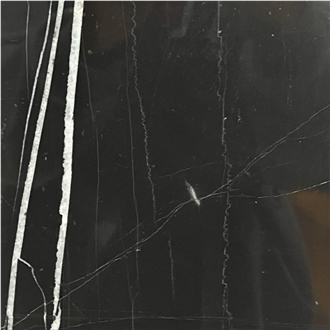
Vitina Black Marble

Black - Marble

Greece

About

Item Details

Material Type:
Marble
Origin:
Greece (Vytina, Tripolis, Arkadia, Peloponnese)
Primary Color(s):
Black
Recommended Usage:
Exterior, interior, wall cladding, sink, basin, mosaic, steps, countertops
Additional Names:
Black of Vytina Marble, Black of Vytinas Marble, Vytina Black Shell Marble, Black of Arcadia Marble, Arcadia Black Marble, Nero Vitina Marble, Vytina Black Marble, Nero Vytina Marble, Vitina Black Limestone, Arkadia Black Marble, Vitina Black Marble
Finished Surface:
Polished, Sawn Cut, Sanded, Rockfaced, Sandblasted, Tumbled

Testing

Water Absorption:
0.13 By weight %
Density:
2717 kg/m3
Flexural Strength:
14.2 MPa
Compressive Strength:
96.0 - 97.9 MPa

Description

APPARENT SPECIFIC DENSITY (ASTMC-97) 2717
WATER ABSORPTION % wt (ASTM C-97) 0,13
COMPRESSIVE STRENGTH, MPa (ASTM C-170) 96
FLEXURAL STRENGTH - WET CONDITION, MPa (ASTM C-99) 14
ABRASION RESISTANCE, mm (DIN 52108 - 20 CYCLES) 6,74
MINERALOGICAL COMPOSITION, % wt
CALCITE  96 
DOLOMITE  3 
QUARTZ  1
CHEMICAL ANALYSIS, % wt
CaO  53,70  MgO  2,49  SiO2  0,4 
Fe2O3  0,16  AI2O3  0,00  K2O  0 
Na2O  0  MnO  0  LOI  41,8 

FAQ

Can Vitina Black Marble be used for kitchen countertop?

Vitina Black Marble can technically be used for a kitchen countertop, but there are some important considerations to keep in mind. Marble is a softer and more porous natural stone compared to granite or quartz, which makes it more susceptible to scratches, stains, and etching from acidic substances like lemon juice or vinegar. If you choose to use Vitina Black Marble for a kitchen countertop, you will need to take extra care to seal it regularly and clean up spills immediately to prevent damage. Its also recommended to use cutting boards and trivets to protect the surface. If youre willing to maintain it properly and accept that it may develop a patina over time, it can make a stunning and luxurious addition to your kitchen. However, if low maintenance and durability are top priorities, you might want to consider harder stone options.

How can I repair the scratched surface of the Vitina Black Marble steps?

Repairing a scratched surface on Vitina Black Marble steps involves a careful process to restore the marbles appearance while maintaining its natural beauty. Here are some steps you can follow: 1. **Assessment**: Determine the depth and severity of the scratches. Shallow scratches can often be repaired at home, while deeper scratches may require professional help. 2. **Cleaning**: - Start by cleaning the surface of the steps with a pH-neutral cleaner to remove any dirt or dust. Avoid acidic or abrasive cleaners as they can damage the marble. - Rinse with clean water and dry the surface thoroughly with a microfiber cloth. 3. **Sanding (for shallow scratches)**: - Use fine-grit sandpaper (e.g., 400 grit) to gently sand the scratched area. Rub in a circular motion, applying light pressure. - Gradually progress to higher grit sandpapers (600, 800, and finally 1000 or 1500 grit) for a smooth finish. Be consistent and gentle to avoid creating new scratches. 4. **Polishing**: - Apply a marble polishing powder or cream to the sanded area. - Use a soft, damp cloth or a low-speed polisher with a soft buffing pad to polish the surface. Follow the product instructions, and polish until the desired shine is achieved. 5. **Sealing**: - Once polished, consider sealing the marble to protect it from future damage. Use a quality marble sealer following the manufacturers instructions. 6. **Buffing**: - After the sealer has dried, buff the surface again with a clean, dry cloth to enhance the shine. 7. **Maintenance**: - To prevent future scratches, use mats or rugs in high-traffic areas and avoid using abrasive cleaners. Regularly dust and clean the steps with a pH-neutral cleaner. For deeper scratches or extensive damage, its advisable to consult with or hire a professional marble restoration specialist. They have the necessary tools and expertise to restore marble surfaces effectively.

Is Vitina Black Marble with a polished surface good for commercial office flooring?

Vitina Black Marble with a polished surface can be a suitable choice for commercial office flooring, but there are several factors to consider: 1. **Aesthetic Appeal**: Polished Vitina Black Marble has a luxurious and sophisticated appearance, which can enhance the overall look of a commercial office space. 2. **Durability**: Marble is a durable natural stone, but it is softer than granite and can be prone to scratching and etching. In high-traffic areas, this can be a concern. Regular maintenance and care can mitigate some of these issues. 3. **Maintenance**: Marble requires regular sealing to protect against stains and moisture. Spills should be cleaned promptly to prevent damage. For commercial spaces, this may require a maintenance schedule to keep the flooring in top condition. 4. **Slip Resistance**: A polished surface can be slippery, especially when wet. It’s important to consider the safety of employees and visitors. Anti-slip treatments or rugs/mats in key areas can help address this issue. 5. **Cost**: Marble is generally more expensive than other flooring materials. Considering the upfront investment as well as ongoing maintenance costs is important for budget planning. 6. **Longevity**: With proper care, marble flooring can last for many years, making it a long-term investment for a commercial space. Overall, if the aesthetic aligns with the desired office atmosphere and you are prepared to commit to the necessary maintenance, Vitina Black Marble can be a good option for commercial office flooring.

Is Vitina Black Marble a suitable choice for gravestones?

Vitina Black Marble can certainly be a suitable choice for gravestones, depending on your preferences and requirements. Here are some factors to consider: 1. **Aesthetics**: Vitina Black Marble has a deep black color with fine, consistent veining, which can create a striking and elegant appearance. 2. **Durability**: Marble is generally less durable than granite, the most common material for gravestones. Marble can be prone to weathering and erosion over time, especially in harsh climates, which may affect the stones longevity and legibility of engravings. 3. **Maintenance**: Marble requires more maintenance than granite to maintain its appearance. It can be susceptible to staining and etching, particularly due to acid rain or pollution. 4. **Cost**: Marble tends to be more expensive than some other options due to its aesthetic value and relative rarity. 5. **Cultural or Personal Significance**: Marble has been used historically in many cultures for monuments and gravestones, which could add symbolic value. If you appreciate the aesthetic qualities of Vitina Black Marble and are willing to accept the maintenance required, it could be a suitable and beautiful choice for a gravestone. However, if durability and low maintenance are priorities, you might also consider alternatives like granite.

How can I remove mold from Vitina Black Marble wall tiles?

Removing mold from Vitina Black Marble wall tiles requires a delicate approach to avoid damaging the stone. Heres a step-by-step guide: ### Materials Needed - pH-neutral stone cleaner - Soft cloths or sponges - Soft-bristle brush - Clean water - Protective gloves - Face mask (to avoid inhaling spores) ### Steps 1. **Preparation:** - Wear protective gloves and a face mask to protect yourself from mold spores. - Ensure the area is well-ventilated to help dry the surface after cleaning. 2. **Surface Cleaning:** - Begin by wiping down the tiles with a damp soft cloth or sponge to remove any loose dirt and debris. 3. **Apply pH-Neutral Cleaner:** - Use a pH-neutral stone cleaner that is safe for marble. Apply the cleaner to a soft cloth or sponge. - Gently wipe the moldy areas with the cloth, making sure not to scrub too harshly to avoid scratching the marble. 4. **Use a Soft-Bristle Brush:** - For stubborn mold stains, use a soft-bristle brush to lightly scrub the affected area. Be gentle to prevent etching the surface. 5. **Rinse Thoroughly:** - Once the mold is removed, rinse the tiles thoroughly with clean water to remove any residue from the cleaner. 6. **Dry the Area:** - Pat the tiles dry with a clean, dry cloth to prevent water spots and further mold growth. 7. **Prevent Future Mold Growth:** - Ensure proper ventilation in the area to keep the tiles dry. - Regularly clean the tiles with a pH-neutral cleaner to prevent mold from returning. ### Additional Tips - **Avoid using acidic or abrasive cleaners** like vinegar, bleach, or ammonia, as these can damage marble. - **Seal the marble** if it hasn’t been sealed, as sealing can provide an additional barrier against moisture and mold. - **Test the cleaning solution** on a small, inconspicuous area first to ensure there are no adverse effects on the marble. If the mold problem is extensive or persistent, consider consulting a professional stone care specialist.

Does Vitina Black Marble bathroom walll and floor tiles need to be sealed?

Yes, Vitina Black Marble tiles, like most natural stone tiles, should be sealed to protect them from staining and moisture. Marble is a porous material, which means it can absorb liquids and be prone to staining if not properly sealed. Sealing helps to prolong the life of the marble and maintain its appearance by providing a protective barrier against moisture, dirt, and spills. It is generally recommended to seal marble tiles upon installation and then reseal them periodically, based on the manufacturers recommendations and the amount of use the area receives. Always use a high-quality sealer specifically designed for marble.

How can I clean Vitina Black Marble mosaic tiles?

Cleaning Vitina Black Marble mosaic tiles requires care to maintain their natural beauty and ensure their longevity. Heres a step-by-step guide on how to clean them effectively: 1. **Gather Supplies:** - pH-neutral marble cleaner or a mild dish soap - Warm water - Soft microfiber cloths - Non-abrasive sponge - Soft bristle brush or toothbrush - A bucket - Clean, dry towels - Optional: Marble sealer (if resealing is needed) 2. **Dust and Sweep:** - Start by removing any loose dirt or dust from the tiles. Use a soft broom or a vacuum cleaner with a brush attachment to gently remove loose debris. 3. **Prepare Cleaning Solution:** - Mix a few drops of the pH-neutral marble cleaner or mild dish soap with warm water in a bucket. Avoid acidic or alkaline cleaners which can damage the marble. 4. **Wipe the Surface:** - Dip a soft microfiber cloth or a non-abrasive sponge into the cleaning solution. Wring out excess liquid to avoid over-wetting. - Gently wipe down the tiles, working in small sections to avoid letting the solution dry on the marble. 5. **Scrubbing Grout (if necessary):** - If the grout lines are dirty, use a soft bristle brush or an old toothbrush to gently scrub the grout. Be careful to avoid scratching the marble. 6. **Rinse Thoroughly:** - Rinse the cloth or sponge in clean water and wipe down the tiles again to remove any soap residue. 7. **Dry the Tiles:** - Use clean, dry towels to thoroughly dry the surface of the mosaic tiles. This helps to prevent water spots and streaks. 8. **Seal the Marble (if applicable):** - If your tiles are not already sealed or if its been a while since they were last sealed, consider applying a marble sealer to protect them from stains and moisture. Follow the manufacturers instructions for best results. 9. **Regular Maintenance:** - Regularly dust or sweep the tiles to prevent dirt buildup. Quickly clean up spills to avoid staining. Following these steps will help keep your Vitina Black Marble mosaic tiles looking pristine and prolong their lifespan.

How thick is Greece's Vitina Black Marble slabs?

The thickness of Greeces Vitina Black Marble slabs can vary depending on the specific product and manufacturer. However, typical thicknesses for marble slabs range from 2 centimeters (0.75 inches) to 3 centimeters (1.2 inches). It is advisable to contact a supplier or manufacturer directly for precise information on the thickness of their specific Vitina Black Marble slabs.

Can Greece's Vitina Black Marble be used in a office?

Yes, Greeces Vitina Black Marble can be used in an office. It is a high-quality black marble with a polished finish, making it an elegant and sophisticated choice for office spaces. The dark color of the marble can add a touch of luxury and professionalism to the office environment. Additionally, marble is a durable and long-lasting material, which makes it suitable for high-traffic areas like offices.

Can Greece's Vitina Black Marble be used in landscaping?

Yes, Greeces Vitina Black Marble can be used in landscaping. Its dark black color and smooth finish make it an attractive choice for various outdoor applications, such as pathways, stepping stones, garden borders, and decorative elements like sculpture or fountains. Additionally, its durability and resistance to weathering make it suitable for long-term outdoor use. However, it is important to consider the specific requirements and design preferences for each landscaping project to ensure that Vitina Black Marble is the appropriate material for the desired look and function.

Products & Prices

Hot Black Marble

New Marble

Post Your Request

The request includes:
  1. surface finished, size
  2. quantity required