Post Your Needs

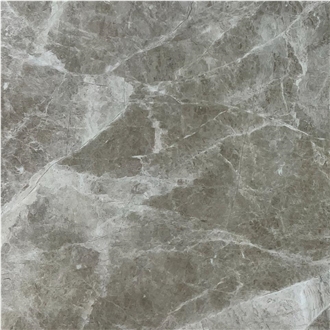
Volakas Blue Wave Marble

Marble

Greece

About

Item Details

Material Type:
Marble
Origin:
Greece (Ochiro Village, Drama, Greece)
Recommended Usage:
Kitchen and bathroom countertops, wash basins, building stone, ornamental stone, stairs, interior, exterior wall and floor applications, mosaic, waterjet pattern, wall panels, table tops, balustrades, columns, wall and pool copings, pool pavers, sculptures, fireplaces
Additional Names:
Bianco Monte Blue Wave Marble, Volakas Wave Marble, Palissandro Greco Marble
Finished Surface:
Polished,Bush Hammered,Tumbled,Brushed,Honed,Split,Machine Cut,Sandblasted,Combed,Leathered,Water Jet,Filled,Chiseled,Pickling

Testing

Water Absorption:
0.36 %
Density:
2864.8 kg/m³
Flexural Strength:
9.69 N/mm2 (≈ 9.69 MPa)
Compressive Strength:
201.29 N/mm2 (≈ 201.29 MPa)

Description

Volakas Blue Wave Marble is a premium Greek natural marble distinguished by its pristine white background dramatically enhanced by flowing brown and purple-toned veins. Quarried in Ochiro Village, Drama, Northern Greece, this material is celebrated for its refined elegance, directional movement, and excellent technical performance, making it highly suitable for luxury architectural and interior design applications.

Texture & Pattern

  • Texture: Fine- to medium-grained crystalline marble with a compact and dense structure. Smooth, uniform, and capable of achieving a high-quality polish.
  • Pattern: Linear to wave-like veining with continuous flow. Veins appear in shades of warm brown, taupe, and subtle purple-lilac hues, creating dynamic movement across the white background.
  • Variation: Natural variation in vein thickness and intensity; ideal for vein-matching and book-matching designs.

Physical & Mechanical Properties (tested values)

  • Water Absorption: 0.36 %
  • Density: 2864.8 kg/m³
  • Flexural Strength: 9.69 N/mm² (≈ 9.69 MPa)
  • Compressive Strength: 201.29 N/mm² (≈ 201.29 MPa)
  • Mohs Hardness: approx. 3.0 – 3.5

These results indicate a low-porosity, high-density marble with superior strength compared to many standard white marbles.

Chemical Composition (% by weight – typical)

  • Calcium Carbonate (CaCO₃): 96.5 – 99.0 %
  • Magnesium Carbonate (MgCO₃): 0.3 – 1.2 %
  • Silicon Dioxide (SiO₂): 0.2 – 1.0 %
  • Iron Oxide (Fe₂O₃): 0.05 – 0.6 %
  • Aluminum Oxide (Al₂O₃): 0.05 – 0.5 %
  • Other trace components: < 0.5 %

Mineral Composition

  • Calcite: dominant mineral
  • Minor dolomite
  • Trace quartz, mica, and iron-bearing minerals, responsible for the brown and purple veining

Applications / Usage

  • Interior flooring and wall cladding
  • Feature walls and book-matched panels
  • Bathroom vanity tops, walls, and shower surrounds
  • Kitchen countertops and islands (sealed and well maintained)
  • Staircases, columns, fireplaces, and decorative elements
  • High-end residential, hospitality, retail, and landmark architectural projects

Maintenance & Care

Seal with a high-quality impregnating sealer prior to installation and reseal periodically. Clean with pH-neutral marble cleaners or mild soap and water. Avoid acidic substances, bleach, and abrasive cleaners. Wipe spills immediately to prevent etching or staining. Use protective pads under furniture and heavy objects.

Design Note

Volakas Blue Wave Marble is especially suitable for directional layouts, long wall panels, and large-format slabs where the flowing veins can be aligned to emphasize movement and architectural rhythm. 

FAQ

Does Volakas Blue Wave Marble countertop stain easily?

Volakas Blue Wave Marble, like many other types of marble, is a natural stone that is relatively porous. This means it can be susceptible to staining, especially from acidic substances such as wine, coffee, citrus juices, and vinegar. The stones porosity allows these liquids to seep into the surface, potentially causing discoloration if not wiped away promptly. To minimize staining, it is important to: 1. Seal the Marble: Regularly applying a good quality sealant can help reduce the marbles porosity and provide a protective barrier against stains. How often you will need to reseal depends on the type of sealant used and the wear and tear the countertop experiences, but it is generally recommended to reseal every 6 to 12 months. 2. Clean Spills Immediately: Quickly wiping up spills with a soft cloth and mild soap can prevent liquids from penetrating the surface. 3. Use Coasters and Mats: To prevent contact with acidic or staining substances, use coasters under glasses and mats under dishes. 4. Avoid Harsh Cleaners: Use non-abrasive, pH-neutral cleaning products specifically designed for natural stone to prevent damage or dulling of the surface. By taking these precautions, you can help maintain the beauty of your Volakas Blue Wave Marble countertop and reduce the risk of staining.

What color kitchen cabinets go with a Volakas Blue Wave Marble countertop?

Volakas Blue Wave Marble features a striking combination of white, cream, and blue-gray tones with intricate veining. To complement this beautiful countertop, consider the following cabinet color options: 1. **White**: A classic choice that highlights the marbles lighter shades, creating a clean and timeless look. 2. **Light Gray**: This subtle shade will harmonize with the gray veins in the marble, offering a sophisticated and balanced appearance. 3. **Navy Blue**: To enhance the blue tones in the marble, navy cabinets can create a bold and chic contrast. 4. **Soft Taupe or Beige**: These neutral tones can warm up the space while complementing the cream and gray hues in the marble. 5. **Wood Tones**: Natural wood cabinets, especially in light to medium finishes, add warmth and texture, offering a balanced contrast to the marbles cool tones. 6. **Sage Green**: A soft green can introduce a fresh and calming element while subtly echoing the blue and gray tones of the marble. These colors provide a range of styles, from modern and sleek to warm and inviting, allowing for flexibility depending on your personal taste and kitchen design goals.

How can I make my Volakas Blue Wave Marble floor tiles shine again?

To restore the shine of your Volakas Blue Wave Marble floor tiles, follow these steps: 1. **Clean the Surface**: - Start by sweeping or vacuuming the floor to remove loose dirt and debris. - Use a mild, pH-neutral cleaner specifically designed for marble surfaces. Avoid acidic or abrasive cleaners as they can damage the marble. - Mix the cleaner with warm water according to the products instructions, and mop the floor with a soft microfiber mop. Be sure to use a damp mop rather than a soaking wet one to prevent water absorption into the marble. 2. **Remove Stains**: - If there are any stains, use a poultice made from a commercial marble stain remover or a homemade mix of baking soda and water. Apply it to the stain, cover it with plastic wrap, and let it sit for 24-48 hours before removing and rinsing. 3. **Polish the Floor**: - Once the floor is thoroughly cleaned and dried, apply a marble polishing compound. Choose a product appropriate for Volakas marble, and follow the manufacturers instructions. - Use a soft cloth or a buffer with a soft polishing pad to work the compound into the marble using circular motions. This will help to restore the shine. - If using a buffer, ensure that it is operated on a low speed to avoid damaging the delicate surface of the marble. 4. **Seal the Marble**: - After polishing, it’s a good idea to seal the marble to protect it from future stains and wear. Select a high-quality marble sealer suitable for your floor type. - Apply the sealer according to the product instructions, usually involving an even application with a clean cloth or applicator pad, allowing it to penetrate the marble, and then buffing off any excess. 5. **Regular Maintenance**: - Clean up spills promptly to minimize stain risks. - Regularly dust mop or vacuum to remove abrasive particles. - Place mats at entryways to reduce tracked-in grit and dirt. - Regularly us a pH-neutral cleaner to maintain a clean surface without damaging the marble. By carefully cleaning, polishing, and sealing your Volakas Blue Wave Marble floors, you can restore and maintain their shine. Always test any product in an inconspicuous area first to ensure it does not negatively affect the marble.

Can I put a hot pan on Volakas Blue Wave Marble countertop?

Placing a hot pan directly on a Volakas Blue Wave Marble countertop is not recommended. Marble is a natural stone that can be sensitive to heat. Direct contact with hot cookware can cause damage such as discoloration, burns, or even cracking due to thermal shock. Its always best to use trivets or heat pads to protect your marble countertop from potential heat damage.

Is Volakas Blue Wave Marble countertop heat resistant?

Volakas Blue Wave Marble, like most natural marble, is not highly heat resistant. While marble can withstand some degree of heat, it is generally not recommended to place hot pots or pans directly on a marble countertop. Doing so can cause thermal shock, which might lead to cracks or discoloration. Its advisable to use trivets or heat pads to protect the surface and maintain the marbles aesthetic and structural integrity.

Is tumbled finish Volakas Blue Wave Marble slip resistant?

Tumbled finish Volakas Blue Wave Marble tends to be more slip-resistant compared to a polished finish. The tumbling process gives the marble a textured surface, which can provide better traction. However, while it offers more slip resistance than smoother finishes, it may not be as slip-resistant as other materials specifically designed for non-slip surfaces, like textured porcelain tiles or certain types of natural stone with rougher finishes. If slip resistance is a major concern, especially in areas prone to getting wet, you might want to consider additional treatments or other materials specifically rated for slip resistance. Always check the specific slip resistance rating or discuss with the supplier or manufacturer to ensure it meets your safety requirements.

Are glossy polished Volakas Blue Wave Marble floors slippery when wet?

Yes, glossy polished Volakas Blue Wave Marble floors can be slippery when wet. The polished finish, which enhances the marbles natural beauty and shine, also reduces traction, increasing the risk of slipping. It is essential to exercise caution and consider using rugs or mats in areas where water may be present, such as bathrooms or kitchens. Additionally, applying a slip-resistant treatment or opting for a honed or textured finish instead of a glossy one can help mitigate this risk.

Products & Prices

Hot Marble

New Marble

Post Your Request

The request includes:
  1. surface finished, size
  2. quantity required