Post Your Needs

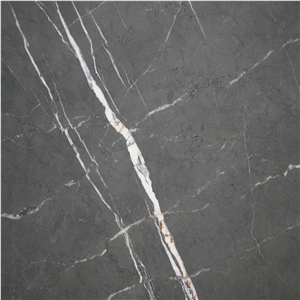
Wachau Hell Gewolkt Marble

Grey - Marble

Austria

About

Item Details

Material Type:
Marble
Origin:
Austria (Kottes, Krems)
Primary Color(s):
Grey
Recommended Usage:
Kitchen and bathroom countertops, wash basins, building stone, ornamental stone, stairs, interior, exterior wall and floor applications, mosaic, waterjet pattern, wall panels, table tops, balustrades, columns, wall and pool copings, pool pavers, sculptures, fireplaces, window sills
Additional Names:
Wachau Gewolkt Marmor, Wachau Dark Grey Marble, Hell Gewelkt Marmor, Wachau Hell Gewolkt
Finished Surface:
Polished,Bush Hammered,Tumbled,Brushed,Honed,Split,Machine Cut,Natural Surface,Sandblasted,Combed,Leathered,Water Jet,Filled,Chiseled,Pickling

Testing

Density:
2640- 2730 kg/m3
Flexural Strength:
8.8 MPa
Compressive Strength:
101-108 MPa
Stone texture:
metamorphic crystalline calcitic texture with a dense, interlocking structure a light to medium grey base color with soft “cloud‑like” (gewolkt) patterns — the grey tones are subtly varied with gentle swirling and mottling that give the surface a calm, elegant visual depth, making it well suited for architectural and interior applications such as wall cladding, flooring, countertops, mosaics, decorative features, and monuments. Wachauer Marmor, including variants like “Hell Gewelkt” (light cloudy marble), continues to be quarried around Kottes and Els in the Wachau region by active local marble producers. The Wachauer Marmor GmbH has a long history (over 120 years) of extracting and processing this crystalline marble from quarries in the Wachau area, and the material remains listed and supplied in natural stone catalogs, indicating ongoing production and commercial availability.

Description

Wachau Hell Gewolkt Marble is a metamorphic stone known for its unique aesthetic and practical qualities, making it a popular choice for various architectural and interior applications. This marble is particularly favored for its light to medium grey base color, complemented by soft, cloud-like patterns. The gentle swirling and mottling of grey tones add a calm and elegant visual depth, creating an appealing and sophisticated appearance suitable for any design setting.

Physical and Mechanical Properties

  • Water Absorption: Low moisture absorption, making it suitable for both indoor and outdoor applications.
  • Density: 2,640 - 2,730 kg/m³, indicating a robust structure.
  • Flexural Strength: Approximately 8.8 MPa, showing a decent resistance to bending forces.
  • Compressive Strength: 101 - 108 MPa, reflecting its ability to withstand considerable pressure.
  • Hardness: Moderately high, providing resistance to scratching and wear.
  • Porosity: Low porosity, minimizing the susceptibility to staining and water penetration.
  • Slip Resistance: Provides adequate friction, reducing the risk of slipping when used in flooring applications.

Chemical and Mineral Composition

  • Calcite: The primary mineral component, typically comprising over 90% of the marble by weight.
  • Dolomite and Other Minerals: Trace amounts may include minerals like dolomite and quartz, depending on the specific quarry.

Usage

  • Architectural Applications: Suitable for exterior wall cladding, facades, and monuments.
  • Interior Applications: Ideal for flooring, countertops, mosaics, and decorative features like fireplaces and columns.

Maintenance

  • Regular cleaning with mild detergents to maintain its natural shine and prevent staining.
  • Periodic sealing is recommended to enhance its resistance to moisture and stains, particularly in high-traffic areas.

Available Surface Finish Options

  • Polished: Offers a glossy finish that enhances the stone's color and pattern, suitable for indoor applications.
  • Honed: Provides a matte finish with a smooth texture, offering a more understated look while maintaining elegance.
  • Brushed: Creates a textured surface that provides extra slip resistance, ideal for flooring.
  • Sandblasted: Produces a slightly rough texture for additional traction and a more natural appearance.

Wachau Hell Gewolkt Marble, with its dense, interlocking crystalline structure and aesthetic appeal, continues to be a sought-after material from the Wachau region. Its ongoing commercial availability through producers such as Wachauer Marmor GmbH, and its wide range of applications, ensure that this Austrian marble maintains its reputation as a premium natural stone choice for both architects and interior designers.

FAQ

What is the coefficient of friction of Acid Washed Finish Austria's Wachau Hell Gewolkt Marble tiles?

The coefficient of friction of Acid Washed Finish Austrias Wachau Hell Gewolkt Marble tiles may vary depending on several factors such as the specific composition of the marble and the finishing process. In general, marble surfaces are relatively smooth and tend to have low coefficients of friction. However, the acid-washing process can introduce some texture to the surface, which may increase the coefficient of friction. It is best to consult the manufacturer or supplier of the specific marble tiles for accurate information on the coefficient of friction for that particular product.

Can Austria's Wachau Hell Gewolkt Marble be used in a kitchen?

Yes, Austrias Wachau Hell Gewolkt Marble can be used in a kitchen. Marble is a popular choice for kitchen countertops and backsplashes due to its elegant and timeless look. However, it is important to note that marble is a natural stone and can be more susceptible to staining and scratching compared to other materials like granite. To ensure its durability in a kitchen setting, it is recommended to properly seal the marble and be mindful of avoiding direct heat and acidic substances that can potentially damage the stone. Regular cleaning and maintenance will also help preserve the marbles appearance over time.

Can Austria's Wachau Hell Gewolkt Marble be used exterior applications in very rainy climates?

Austrias Wachau Hell Gewolkt Marble is a type of marble that is known for its natural beauty and unique characteristics. However, when it comes to using it for exterior applications in very rainy climates, some considerations need to be taken into account. Marble is a natural stone that is porous and susceptible to water absorption. In very rainy climates, where the stone is constantly exposed to moisture and water, there is a higher risk of water damage, staining, and freeze-thaw cycles. These factors can lead to discoloration, cracks, and erosion over time. To mitigate these risks, it is essential to apply a proper sealant to the marble. The sealant acts as a protective layer, repelling water and preventing it from penetrating the stone. Regular maintenance and reapplication of the sealant may be necessary to ensure its effectiveness. Furthermore, the installation process plays a crucial role in the durability of the marble. Proper installation techniques, including adequate waterproofing measures and appropriate jointing, are essential to minimize water infiltration and potential damage. It is also important to consider the environmental conditions specific to the site. Factors such as excessive rainfall, high humidity, and significant temperature fluctuations can affect the performance and longevity of the marble. Consulting with a professional architect or stone specialist who has experience with exterior marble applications in rainy climates would be highly recommended. They can provide guidance on the suitable sealants, installation methods, and maintenance practices to ensure the marbles durability in such conditions.

Can Austria's Wachau Hell Gewolkt Marble be used in landscaping?

Yes, Austrias Wachau Hell Gewolkt Marble can be used in landscaping. It is a type of marble that is known for its beautiful aesthetic appeal, with a light cream color and characteristic cloud-like patterns. This makes it a popular choice for various landscaping applications such as walkways, patios, garden borders, and even larger scale features like retaining walls or decorative rock formations. However, it is important to note that marble is a natural stone and requires regular maintenance and sealing to keep its appearance intact over time.

How thick is Austria's Wachau Hell Gewolkt Marble slabs?

The thickness of Austrias Wachau Hell Gewolkt Marble slabs can vary depending on the specific supplier and customer requirements. However, marble slabs typically come in standard thicknesses ranging from 2 centimeters (0.79 inches) to 3 centimeters (1.18 inches). It is best to contact a supplier or manufacturer for more accurate information regarding the thickness of Wachau Hell Gewolkt Marble slabs.

What grade is Austria's Wachau Hell Gewolkt Marble?

Austrias Wachau Hell Gewolkt Marble is typically classified as a Grade A marble. However, it is important to note that the grading of marble can vary depending on the specific criteria used by different organizations and suppliers.

Are there color variations of Austria's Wachau Hell Gewolkt Marble?

There are different color variations of the Wachau Hell Gewolkt Marble, ranging from light cream to beige. Some may have subtle grey or brown veins running through them, adding texture and depth to the stone. However, it is important to note that the availability of color variations may vary depending on the specific quarry and location within the Wachau region in Austria. It is always recommended to consult with a local supplier or quarry for the most accurate information on the available color options.

Hot Grey Marble

New Marble

Post Your Request

The request includes:
  1. surface finished, size
  2. quantity required