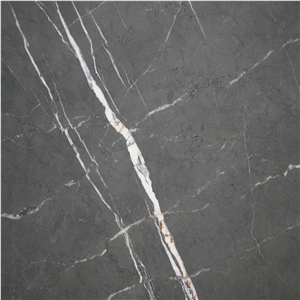
Wachauer Dunkel Uni Marble

About
Item Details
- Material Type:
- Marble
- Origin:
Austria (Kottes, Krems) - Primary Color(s):
- Grey
- Recommended Usage:
- Kitchen and bathroom countertops, wash basins, building stone, ornamental stone, stairs, interior, exterior wall and floor applications, mosaic, waterjet pattern, wall panels, table tops, balustrades, columns, wall and pool copings, pool pavers, sculptures, fireplaces, window sills
- Additional Names:
- Wachauer Marmor Uni Marmor, Wachau Gewolkt Marmor, Wachau Gestreift Marmor, Wachauer Dark Marble, Wachauer Dunkel Uni
- Finished Surface:
- Polished,Bush Hammered,Tumbled,Brushed,Honed,Split,Machine Cut,Natural Surface,Sandblasted,Combed,Leathered,Water Jet,Filled,Chiseled,Pickling
Testing
- Density:
- 2640- 2730 kg/m3
- Flexural Strength:
- 8.8 MPa
- Compressive Strength:
- 101-108 MPa
- Stone texture:
- a dark grey to nearly deep charcoal natural marble quarried in the Wachau region (Kottes, Krems) of Austria, characterized by its uniform, rich grey coloration with subtle tonal depth that yields a sleek, elegant look suitable for architectural and design applications. Its appearance is typically fairly consistent — hence “Uni” in the name — with minimal veining, which makes it ideal for use in interior and exterior wall cladding, flooring, countertops, fountains, stair treads, window sills, and detail work where a smooth, monochromatic aesthetic is desired. Wachauer marble (including varieties like Wachauer Dunkel Uni) continues to be quarried in the Wachau area of Lower Austria. Local producers such as Wachauer Marmor GmbH have been extracting and processing this crystalline marble from their own quarries for many decades and continue to do so today, supplying slabs and finished stone products to the construction and architectural stone markets.
Description
Wachauer Dunkel Uni Marble is a natural stone known for its dark grey to nearly deep charcoal coloring, sourced from the Wachau region in Austria. Its uniform appearance and minimal veining make it a popular choice for various architectural and design applications.
Physical and Mechanical Properties:
- Water Absorption: Typically low, contributing to its durability and reduced susceptibility to water damage.
- Density: Ranges between 2640 - 2730 kg/m³, indicating a compact and solid structure.
- Flexural Strength: Approximately 8.8 MPa, which is sufficient for supporting moderate loads and stresses.
- Compressive Strength: Between 101 - 108 MPa, making it suitable for structural applications such as flooring and wall cladding.
- Hardness: Typically ranks around 3-4 on the Mohs scale, offering a balance between workability and resistance to abrasion.
- Porosity: Low porosity, aiding in resistance to staining and moisture infiltration.
- Slip Resistance: The slip resistance depends on the finish; polished surfaces may be less slip-resistant compared to honed or textured finishes.
Chemical and Mineral Composition:
- Calcite (CaCO3): Predominant mineral, typically over 90%.
- Dolomite (CaMg(CO3)2): Present in smaller amounts.
- Quartz (SiO2): May be present in trace amounts.
- Other Minerals: Minor traces of biotite, muscovite, or other accessory minerals.
Usage:
- Interior and Exterior Wall Cladding: Provides a sleek, elegant aesthetic with its monochromatic appeal.
- Flooring: Durable for high-traffic areas; polished or honed finish recommended.
- Countertops: Offers a luxurious look in kitchens and bathrooms.
- Fountains & Water Features: Low water absorption rate makes it ideal for these applications.
- Stair Treads & Window Sills: Provides a uniform, sophisticated look.
- Detail Work: Suitable for custom designs and intricate architectural details.
Maintenance:
- Regular cleaning with a pH-neutral cleaner is recommended.
- Periodic sealing may be required, especially in high-use areas, to maintain appearance and minimize staining.
Surface Finish Options:
- Polished: Provides a glossy appearance, enhancing color depth but potentially reducing slip resistance.
- Honed: Offers a matte finish, maintaining slip resistance while preserving a uniform look.
- Brushed: Adds texture without significantly altering the color or pattern.
- Sandblasted: Provides a rougher texture, increasing slip resistance for exterior applications.
Wachauer Dunkel Uni Marble's consistent coloration and versatility make it a favorite among architects and designers who seek a refined, modern look for both indoor and outdoor spaces. With its long quarrying history in Austria, producers like Wachauer Marmor GmbH continue to provide high-quality stone products to meet diverse construction needs.
FAQ
The Wachauer Dunkel Uni Marble is a natural stone that can be used for exterior applications in cold climates. However, it is essential to consider a few factors to ensure its durability and longevity:
1. Freeze-thaw resistance: Cold climates often experience freeze-thaw cycles, where water can penetrate the stone and freeze, causing it to expand and potentially crack. Ensure that the Wachauer Dunkel Uni Marble has good freeze-thaw resistance to withstand these conditions.
2. Moisture resistance: The marble should have good moisture resistance to prevent water absorption, as moisture can freeze and cause damage to the stone.
3. Slip-resistance: In exterior applications, it is vital to consider slip-resistance, especially in cold climates where ice and snow can create slippery surfaces. Choose a finish that provides adequate grip to ensure safety.
4. Maintenance: It is important to note that natural stone requires maintenance to preserve its beauty and functionality, especially in harsh climates. Regular cleaning, sealing, and protection against harsh weather conditions are crucial to prolong the lifespan of the stone.
Consult with a professional installer or supplier to ensure that the Wachauer Dunkel Uni Marble is suitable for your specific exterior application and climate conditions. They can provide guidance on installation techniques, proper sealants, and maintenance routines to ensure longevity and performance.
How thick is Austria's Wachauer Dunkel Uni Marble slabs?
There isnt a specific standard thickness for Austrias Wachauer Dunkel Uni Marble slabs, as the thickness of marble slabs can vary based on individual preferences and project requirements. However, common thickness options for marble slabs are typically around 2 cm (0.79 inches) or 3 cm (1.18 inches). It is best to consult with a supplier or stone professional for more accurate and detailed information regarding the thickness options for this specific marble type.
Can Austria's Wachauer Dunkel Uni Marble be used in a bathroom?
Yes, Austrias Wachauer Dunkel Uni Marble can be used in a bathroom. Marble is a popular choice for bathroom surfaces due to its durability and aesthetics. It can be used for various applications such as countertops, shower walls, flooring, and even as accent pieces. However, it is important to note that marble is a natural stone and may require sealing for better protection against stains and water damage. Proper maintenance and care are also necessary to keep the marble looking its best in a bathroom setting.
Can Austria's Wachauer Dunkel Uni Marble be used in landscaping?
Yes, Austrias Wachauer Dunkel Uni Marble can be used in landscaping. This type of marble is known for its rich, dark brown color and smooth texture, making it a popular choice for various landscaping projects. It can be used to create attractive pathways, patio areas, or even as a decorative element in gardens. The natural beauty and durability of Wachauer Dunkel Uni Marble make it suitable for outdoor applications in landscaping.
Is Austria's Wachauer Dunkel Uni Marble an expensive stone?
It is difficult to determine the exact price of the Wachauer Dunkel Uni Marble without specific information. The cost of a stone can vary depending on various factors such as quality, availability, demand, and location. Additionally, prices can fluctuate over time. Therefore, it is recommended to contact stone suppliers or local vendors for current pricing information.
What is the coefficient of friction of Filled Austria's Wachauer Dunkel Uni Marble tiles?
I couldnt find specific information on the coefficient of friction for Filled Austrias Wachauer Dunkel Uni Marble tiles. The coefficient of friction can vary depending on factors such as the specific finish, surface condition, and testing method. Its best to consult the manufacturer or a flooring specialist for accurate and up-to-date information on the coefficient of friction for that particular tile.
Are there color variations of Austria's Wachauer Dunkel Uni Marble?
I do not have access to up-to-date information about Austrias Wachauer Dunkel Uni Marble, but based on my research, it appears that this particular type of marble is mostly characterized by its dark brown and black hues and uniform appearance. It is possible that there might be slight variations in color and veining depending on the specific quarry it was sourced from, but it is unlikely that there are significant color variations.
What grade is Austria's Wachauer Dunkel Uni Marble?
I do not have information on the grading system of Austrias Wachauer Dunkel Uni Marble. However, the quality of marble is generally determined by factors such as color, veining, consistency, and durability, which may affect its cost and suitability for different applications. Its always best to consult with a professional in the industry for more specific information and advice.