Post Your Needs

White Oyster Marble

White - Marble

China

About

Item Details

Material Type:
Marble
Origin:
China
Primary Color(s):
White
Recommended Usage:
kitchen and bathroom countertop, wash basins, building stone, ornamental stone, stairs, interior, exterior wall and floor applications, mosaic, water-jet pattern, wall panels, table tops, balustrades, columns, wall and pool copings, pool pavers, sculptures, fireplaces, window sills
Additional Names:
Oyster White Marble, Fendi Grey Marble, Fendi White Marble, in China stone market:芬迪灰 (Fēndí Huī)
Finished Surface:
Polished,Bush Hammered,Tumbled,Brushed,Honed,Split,Machine Cut,Natural Surface,Sandblasted,Combed,Leathered,Water Jet,Chiseled,Pickling

Testing

Water Absorption:
0.20 - 0.40% by weight
Density:
2660 - 2700 kg/m³
Flexural Strength:
9 - 13 MPa
Compressive Strength:
85 - 105 MPa

Description

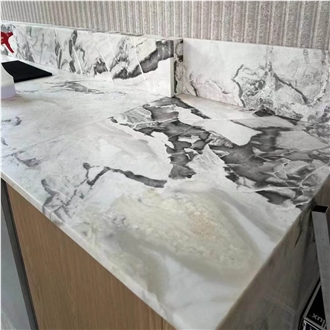
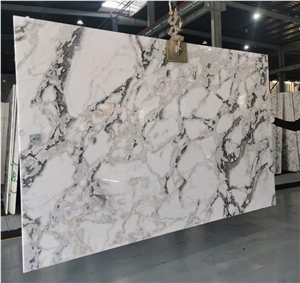
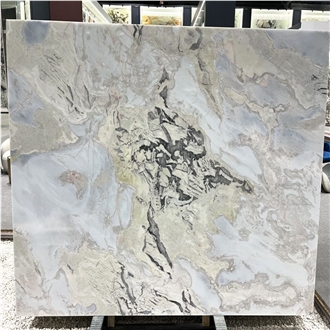
White Oyster Marble is a semi-white natural marble quarried in China, characterized by a cool icy-white to pale-grey background with subtle soft-grey tonal variations. Rather than strong linear veins, the stone features a distinctive cloud-like and crystalline texture, creating a misty, glacial appearance. Its fine-grained structure provides a relatively uniform surface while retaining organic movement and depth.

General Characteristics

  • Base Color: Icy white to pale grey
  • Secondary Colors: Soft grey and light silver-grey
  • Pattern: Cloud-like, swirling and misty
  • Veining: Subtle and diffuse rather than sharply defined
  • Grain: Fine-grained
  • Texture: Fine crystalline and softly textured
  • Appearance: Modern, minimalist and elegant
  • Variation: Low to medium

Texture

White Oyster Marble has a fine-grained crystalline texture that creates a soft, almost mist-like visual effect. The mineral structure is relatively uniform, while subtle variations in crystal concentration create gentle movement across the slab. The surface may resemble glacial ice, soft clouds or swirling mist, particularly when viewed across large-format slabs.

Pattern & Veining

The stone's character comes primarily from diffuse tonal movement rather than conventional marble veining.

  • Icy-white background
  • Pale-grey cloudy areas
  • Soft silver-grey transitions
  • Swirling crystalline structures
  • Irregular mist-like movement
  • Minimal sharp or linear veins

The restrained pattern makes it suitable for minimalist and contemporary architectural designs.

Physical & Mechanical Properties

Because commercial Chinese marble varieties can vary by quarry and block, the following are indicative ranges and should be replaced with certified laboratory data for the actual material.

  • Apparent Density: 2,660–2,700 kg/m³
  • Water Absorption: 0.20–0.40% by weight
  • Open Porosity: 0.2–2.0%
  • Compressive Strength: 85–105 MPa
  • Flexural Strength: 9–13 MPa
  • Mohs Hardness: Approx. 3–4
  • Abrasion Resistance: Moderate

Mineral Composition Mineral, Approx. % by Weight

  • Calcite: 85–96%
  • Dolomite: 1–6%
  • Quartz: 1–4%
  • Feldspar: 0.5–2%
  • Mica / Phyllosilicates: 0.5–2%
  • Other Accessory Minerals: <2%

The exact mineral composition may vary depending on the quarry zone.

Chemical Composition Chemical Component, Approx. % by Weight

  • CaCO₃: 85–96%
  • MgCO₃: 1–6%
  • SiO₂: 1–4%
  • Al₂O₃: 0.1–1.5%
  • Fe₂O₃: 0.05–0.8%
  • Other Oxides: <2%
  • Loss on Ignition (LOI): Approx. 41–44%

These are indicative values for database purposes and should not be presented as certified laboratory analysis.

Recommended Applications

White Oyster Marble is suitable for:

Interior wall cladding, Feature walls, Large-format panels, Bookmatched installations, Luxury flooring, Hotel interiors, Residential interiors, Bathroom walls, Bathroom vanities, Kitchen countertops, Kitchen islands, Fireplace surrounds, Reception desks, Staircases, Columns, Decorative panels, Dining tables, Coffee tables, Furniture, Mosaics, Waterjet designs, Decorative inlays.

Maintenance

White Oyster Marble should be treated as a carbonate-based natural stone.

  • Clean regularly with a pH-neutral natural-stone cleaner.
  • Avoid vinegar, lemon juice and other acidic cleaners.
  • Avoid abrasive powders and aggressive scouring pads.
  • Wipe spills promptly, particularly wine, coffee, oils and acidic substances.
  • Seal countertops, vanities and other vulnerable surfaces with a suitable marble sealer.
  • Use cutting boards and trivets in kitchen applications.
  • Periodically inspect and renew the sealer according to the manufacturer's recommendations.
  • Avoid harsh chemicals that can etch or discolor the marble.

FAQ

Is 18 mm White Oyster Marble good for a commercial bathroom top?

Using 18 mm White Oyster Marble for a commercial bathroom top can be a good choice, but there are several factors to consider: 1. **Aesthetics**: White Oyster Marble has a unique and elegant appearance, which can add a luxurious feel to a commercial bathroom. Its distinct veining and color can enhance the overall design. 2. **Durability**: While marble is generally a durable material, it is softer and more porous than granite or engineered stone. This means it can be susceptible to scratches, stains, and etching from acidic substances, which can be a concern in high-traffic commercial settings. 3. **Maintenance**: Marble requires regular sealing to protect against moisture and stains. In a commercial environment, where the surfaces might be used frequently, maintenance can be more demanding. 4. **Cost**: Marble is typically more expensive than other countertop materials. For a commercial application, consider if the aesthetic benefits justify the cost. 5. **Suitability for High Traffic**: Consider the amount of traffic and usage in the bathroom. If its a very high-traffic area, other materials like quartz or granite might be more suitable due to their higher resistance to wear and tear. 6. **Moisture and Chemical Resistance**: Marble can be affected by moisture and cleaners commonly used in commercial bathrooms, which can erode the stone over time if not properly maintained. If you decide to use White Oyster Marble, ensure that it is sealed properly and plan for regular upkeep. You might also consider consulting with a professional stone supplier or contractor for specific advice on using this material in your commercial project.

Do I have to seal White Oyster Marble kitchen countertop every year?

Yes, it is generally recommended to seal marble countertops, including White Oyster Marble, every year or so. Marble is a porous material, which means it can absorb liquids and stains if it is not properly sealed. Regular sealing helps protect the surface from spills, stains, and etching. However, the exact frequency of sealing can depend on the usage and wear that your countertop experiences. Some people might find they need to seal it more or less often. A simple way to check if your countertop needs sealing is to perform a water droplet test: place a few drops of water on the surface. If the water quickly soaks into the marble rather than beading up, its a sign that your countertop might need resealing. Always follow the manufacturer’s or a professionals advice on sealant application to ensure the best protection and longevity of your marble countertop.

How to sanitize glossy polished White Oyster Marble kitchen countertops?

Sanitizing glossy polished White Oyster Marble kitchen countertops requires some care to maintain their beauty and integrity. Here’s a step-by-step guide to safely clean and sanitize them: 1. **Gather Supplies**: - Mild dish soap - Warm water - Soft microfiber cloths - Spray bottle - Clean, dry towels - Marble-safe cleaner (optional) 2. **Daily Cleaning**: - **Prepare a Cleaning Solution**: Mix a few drops of mild dish soap with warm water in a spray bottle. Avoid harsh or acidic cleaners as they can damage marble surfaces. - **Wipe the Surface**: Dampen a soft microfiber cloth with the soap solution. Gently wipe down the countertops to remove any dirt or residue. Rinse the cloth and repeat as necessary. - **Dry the Surface**: Use a clean, dry towel to dry the countertops thoroughly, as water spots can damage marble over time. 3. **Sanitizing**: - **Use a Marble-safe Sanitizer**: If additional sanitizing is needed, consider using a marble-safe cleaner specifically designed for stone surfaces. Follow the product instructions carefully. - **Natural Sanitizer Option**: Dilute isopropyl alcohol (70%) with an equal part of water in a spray bottle. Lightly mist the countertop and let it sit for a few minutes to kill germs. Wipe gently with a soft cloth and dry thoroughly. 4. **Stain and Spill Management**: - **Blot Spills Immediately**: Use a soft cloth to blot up spills as soon as they occur. Avoid wiping, as this can spread the spill. - **For Stains**: Use a poultice designed for marble if you encounter stubborn stains. Follow the product instructions carefully. 5. **Prevention Tips**: - **Use Coasters and Trivets**: Protect the surface from acidic substances and hot items by using coasters and trivets under drinks and hot cookware. - **Seal the Marble**: Periodically seal your marble countertops if needed. This helps protect against stains and makes cleaning easier. 6. **Avoid**: - Abrasive pads or cleaners - Acidic or citrus-based cleaners (like vinegar or lemon) - Ammonia or bleach Regular maintenance and prompt attention to spills will help keep your White Oyster Marble countertops looking pristine and sanitary.

What does vinegar do to White Oyster Marble floor tiles?

Vinegar, being acidic, is not recommended for cleaning marble surfaces, including White Oyster Marble floor tiles. Marble is a natural stone composed mainly of calcium carbonate, which reacts negatively to acids. Using vinegar can lead to several issues: 1. **Etching**: The acid in vinegar can react with the calcium carbonate in the marble, causing a chemical reaction that leads to etching. This etching appears as dull spots or marks on the surface, damaging the polished finish. 2. **Dulling the Surface**: Regular use of vinegar can dull the overall appearance of the marble, making it lose its shine and luster over time. 3. **Damage to Sealants**: If the marble is sealed, vinegar can wear down the sealant, making the stone more susceptible to staining and other types of damage. To clean marble surfaces safely, it is recommended to use a pH-neutral cleaner designed specifically for natural stone or simply use a mild dish soap diluted in water. Always use a soft cloth or mop and avoid abrasive materials that could scratch the surface. If you accidentally spill vinegar or any acidic substance on marble, clean it up immediately with water and dry the surface thoroughly.

Is White Oyster Marble heat resistant? Is it suitable for use in fireplaces?

White Oyster Marble, like many natural stones, has some degree of heat resistance, which makes it generally suitable for use around fireplaces. However, there are a few considerations to keep in mind when using it in such applications: 1. **Heat Resistance**: Marble can generally withstand moderate heat, but its important to note that excessive or prolonged exposure to high temperatures can cause discoloration, cracking, or other damage. 2. **Thermal Shock**: Sudden changes in temperature can cause thermal shock, which can lead to cracks or breaks in the marble. Its important to ensure that the marble is not subjected to sudden, extreme temperature changes. 3. **Sealing**: Marble should be properly sealed, especially in areas exposed to heat and potential staining from soot or ash. Proper sealing can protect the stones surface and make it easier to clean. 4. **Maintenance**: Regular maintenance and cleaning are essential to keeping marble looking good, especially in a fireplace setting where it may be exposed to smoke and soot. 5. **Installation**: Professional installation is highly recommended to ensure the marble is properly supported and secured, especially when used around a fireplace. Its always a good idea to consult with a professional, such as a stonemason or fireplace installer, to assess the suitability of White Oyster Marble for your specific fireplace project and to ensure it is installed correctly and safely.

Can scratches on White Oyster Marble table top be fixed?

Yes, scratches on a White Oyster Marble tabletop can often be repaired, although the approach can vary depending on the severity of the scratches. Here’s a general guide: 1. **Clean the Surface**: Start by cleaning the tabletop with a soft cloth and a mild, pH-neutral cleaner to remove any dust and debris. Make sure the surface is completely dry before proceeding. 2. **Assess the Scratches**: Determine the depth of the scratches. Light surface scratches can usually be polished out, while deeper scratches may require filling and more intensive repair work. 3. **Polishing Light Scratches**: - Use a marble polishing powder or a paste specifically designed for marble surfaces. - Apply the powder or paste to the scratched area according to the product directions. - Gently buff the area with a soft, damp cloth or a variable-speed polisher with a felt pad, making sure to stay within the boundaries of the scratch. - Once the scratch is less visible, clean the area again to remove any polish residues. 4. **Repairing Deep Scratches**: - For deeper scratches, a marble repair kit may be needed. These kits typically include resin or epoxy to fill in the scratch, along with the necessary application tools. - Carefully apply the resin or epoxy to the scratch using a spatula or applicator, following the kit instructions. - Allow it to cure completely as per the product guidelines. - Once dry, sand the repaired area with a very fine grit sandpaper to make it flush with the surrounding surface. - Finish off by polishing the area as you would with light scratches. 5. **Seal the Surface**: After repairs, consider applying a marble sealer to protect the surface from future scratches and stains. Make sure its compatible with your specific type of marble. 6. **Professional Help**: If youre uncomfortable performing these repairs yourself, or if the scratches are extensive, you may want to hire a professional stone restoration specialist to ensure the best outcome. Regular maintenance, such as using coasters, placemats, and regular sealing, can help prevent future damage to your marble tabletop.

Products & Prices

View More

Hot White Marble

New Marble

Post Your Request

The request includes:
  1. surface finished, size
  2. quantity required