Post Your Needs

Wooden Vein Marble

White - Marble

Viet Nam

About

Item Details

Material Type:
Marble
Origin:
Viet Nam (Yen Bai Province)
Primary Color(s):
White
Recommended Usage:
Kitchen and bathroom countertops, monuments, building stone, ornamental stone, stairs, interior, exterior wall and floor applications, mosaic, waterjet pattern, wall panels, table tops, window sills, balustrades, columns, wall and pool copings, pool pavers, sculptures, fireplaces
Additional Names:
Yen Bai Wooden Vein Marble, White Wooden Marble, White Wood Vein Marble, Wooden White Marble, Vietnam Palissandro Marble, Wood Vein Marble, Timber Grain Marble, Wooden Vein Marble
Finished Surface:
Polished,Bush Hammered,Tumbled,Brushed,Honed,Split,Machine Cut,Natural Surface,Sandblasted,Combed,Leathered,Water Jet,Filled,Chiseled,Pickling

Description

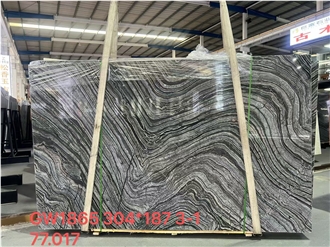
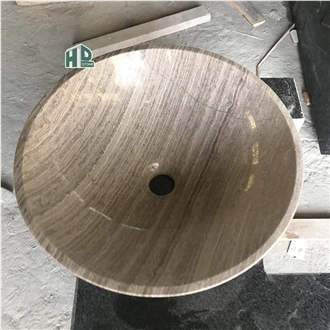
Wooden Vein Marble is an exquisite natural stone characterized by its white base adorned with delicate pale rose and soft grey veins. Quarried in Yen Bai Province, Vietnam, this marble showcases a harmonious blend of colors, creating an elegant and timeless appearance.

The white background of Wooden Vein Marble provides a clean and neutral canvas, while the subtle pale rose veins add a touch of warmth and sophistication. The soft grey veins contribute to the overall visual interest, creating a captivating and balanced aesthetic.

Typically utilized in polished form, Wooden Vein Marble boasts a smooth and reflective surface, enhancing the natural beauty of the stone and allowing the intricate veining patterns to shine. This marble is often chosen for various interior design applications, including countertops, flooring, and wall cladding, where it brings a sense of luxury and refinement.

Quarried in Yen Bai Province, the Wooden Vein Marble not only embodies the geological richness of the region but also offers a versatile and visually appealing option for those seeking a distinctive and elegant marble for their architectural and design projects.

FAQ

How should I clean Wooden Vein Marble countertop?

To clean a Wooden Vein Marble countertop, follow these steps: 1. Use a soft cloth or sponge to wipe down the countertop with warm, soapy water. Avoid using abrasive cleaners or harsh chemicals as they can damage the marble. 2. Wipe the countertop dry with a clean cloth to prevent water stains. 3. For tougher stains or spills, mix a paste of baking soda and water to create a natural, gentle scrub. Apply the paste to the stain and let it sit for a few minutes before gently scrubbing with a soft brush or cloth. 4. For daily maintenance, consider using a pH-balanced stone cleaner specifically formulated for marble countertops. This will help to protect the marble and prevent damage from acidic substances. 5. To prevent scratches and chips, always use coasters under glasses and avoid placing hot pans or pots directly on the countertop. 6. Seal the marble countertop regularly to protect it from stains and moisture. Follow the manufacturers instructions for the specific sealant you are using. By following these tips, you can keep your Wooden Vein Marble countertop clean and looking its best for years to come.

For Wooden Vein Marble office floor application, which surface treatment should be chosen?

For a Wooden Vein Marble office floor application, a polished surface treatment is typically recommended. This will enhance the natural beauty of the marble and create a smooth, reflective surface that is easy to clean and maintain. Additionally, a polished surface treatment can help to protect the marble from scratches and stains, ensuring that it retains its appearance for years to come.

How can I repair the scratched surface of the Wooden Vein Marble stair steps?

Repairing the scratched surface of Wooden Vein Marble stair steps can be done in a few simple steps: 1. Clean the surface: Start by cleaning the scratched area using a mild detergent and warm water. Wipe the area dry with a clean cloth. 2. Sand the scratches: Use fine-grit sandpaper to gently sand the scratched area. Be sure to sand in the direction of the wood grain to avoid causing further damage. 3. Fill in the scratches: Once the scratches are smoothed out, you can fill them in with a wood filler or a marble repair kit. Follow the manufacturers instructions for best results. 4. Sand again: After the filler has dried, sand the area once more to ensure a smooth and even surface. 5. Buff and polish: Use a marble polishing compound to buff the repaired area and restore its shine. Be sure to follow the manufacturers instructions and use a soft cloth for best results. By following these steps, you can effectively repair the scratched surface of your Wooden Vein Marble stair steps and restore them to their original beauty.

Does Wooden Vein Marble kitchen countertop scratch easily?

Wooden Vein Marble kitchen countertops are generally more scratch-resistant compared to other types of marble, but they are still susceptible to scratching. It is important to use cutting boards and avoid dragging heavy cookware or objects across the surface to minimize the risk of scratching. Regular maintenance and sealing can also help to protect the countertop from damage.

Can Wooden Vein Marble be used as a kitchen cutting board?

Wooden Vein Marble is not recommended for use as a kitchen cutting board. Marble is a porous material that can harbor bacteria and can be easily scratched or stained by cutting utensils. It is best to use cutting boards made from non-porous materials such as wood, plastic, or bamboo for food preparation.

Can polished Wooden Vein Marble be used for pool coping?

It is not recommended to use polished Wooden Vein Marble for pool coping as it is not a durable material for outdoor use. Marble is susceptible to staining, scratching, and etching from pool chemicals, water, and environmental factors. It is better to choose a more suitable material such as natural stone like travertine or limestone that can withstand the harsh conditions of a pool deck.

How to clean smoke stains on a Wooden Vein Marble fireplace?

1. Mix a solution of warm water and mild dish soap in a bucket. 2. Dip a clean cloth or sponge into the soapy water and gently scrub the smoke stains on the Wooden Vein Marble fireplace. Be sure to test a small, hidden area first to ensure that the soap does not damage the marble. 3. For tougher smoke stains, you can use a commercial marble cleaner according to the manufacturers instructions. 4. Rinse the fireplace with clean water using a separate cloth or sponge. 5. Dry the fireplace thoroughly with a soft, clean towel to prevent water spots from forming. 6. If the smoke stains are particularly stubborn, you can also try making a paste of baking soda and water. Apply the paste to the stains and allow it to sit for a few hours before scrubbing it off with a sponge. 7. Avoid using abrasive or acidic cleaners on Wooden Vein Marble, as they can damage the surface. Additionally, never use bleach or ammonia-based cleaners on marble, as they may cause discoloration. 8. To prevent future smoke stains, make sure to clean your fireplace regularly and use a protective sealant to keep the marble looking its best.

Can Wooden Vein Marble be used as a tabletop, and what should be the minimum thickness?

Yes, Wooden Vein Marble can be used as a tabletop. The minimum thickness for a Wooden Vein Marble tabletop would typically be around 20mm (3/4 inch) to ensure durability and stability. However, the exact thickness may vary depending on the size and shape of the tabletop, as well as the specific application and desired aesthetic. It is recommended to consult with a professional marble supplier or fabricator to determine the appropriate thickness for your specific project.

How to repair the scratched Wooden Vein Marble kitchen countertop surface?

Repairing a scratched Wooden Vein Marble kitchen countertop surface can be a delicate process, but here are some steps you can follow to try and fix the scratches: 1. Clean the surface: Start by thoroughly cleaning the countertop with a gentle cleaner and warm water. This will help to remove any dirt and debris from the scratches. 2. Sand the scratches: Use a fine-grit sandpaper to gently sand down the scratches. Make sure to sand in the direction of the grain to avoid causing more damage to the surface. 3. Fill in the scratches: Once the scratches are smoothed out, you can fill them in with a marble repair kit or a mixture of marble dust and epoxy resin. Follow the manufacturer’s instructions for the best results. 4. Buff the surface: After the repair has dried, use a soft cloth to buff the surface of the countertop. This will help blend the repaired area with the rest of the countertop and restore its shine. 5. Apply a sealant: To protect the repaired area and prevent further damage, apply a marble sealant to the countertop. This will help to keep the surface looking new and prevent scratches in the future. It’s important to note that repairing a Wooden Vein Marble countertop surface may require professional help for more severe damage. If you are unsure about how to fix the scratches, it’s best to consult with a professional marble restoration specialist.

Can I use glossy polished Wooden Vein Marble on bathroom floor coverings?

Yes, you can use glossy polished Wooden Vein Marble on bathroom floor coverings. However, keep in mind that polished marble can be slippery when wet, so its important to use rugs or mats in the bathroom to prevent slips and falls. Additionally, be sure to properly seal the marble to protect it from water damage and stains. Overall, Wooden Vein Marble can add a luxurious and elegant touch to your bathroom floor.

Products & Prices

View More

Hot White Marble

New Marble

Post Your Request

The request includes:
  1. surface finished, size
  2. quantity required