Post Your Needs

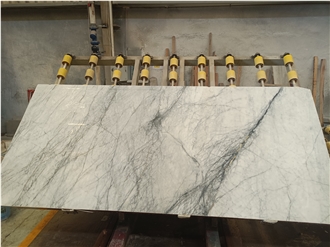
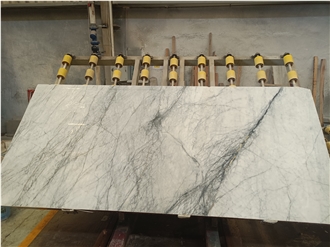
Zermatt White Marble

White - Marble

China

About

Item Details

Material Type:
Marble
Origin:
China (Jiangsu)
Primary Color(s):
White
Recommended Usage:
Kitchen and bathroom countertops, wash basins, building stone, ornamental stone, stairs, interior, exterior wall and floor applications, mosaic, waterjet pattern, wall panels, table tops, balustrades, columns, wall and pool copings, pool pavers, sculptures, fireplaces, window sills
Additional Names:
Castro White Marble, Jashi White Marble, Oriental Calacatta White Marble, Oriental Calacatta Marble, Calacatta Oriental Marble, Calacatta Venatina Marble, Calacatta Venatino Marble, Frozen White Marble, Galaxy White Marble, in China Stone Market:香雪白(Xiāng xuě bái), 东方鱼肚白 (Dōngfāng Yúdù Bái), 中国鱼肚白(Zhōngguó Yúdùbái), Zermatt White Marble
Finished Surface:
Polished,Bush Hammered,Tumbled,Brushed,Honed,Split,Machine Cut,Natural Surface,Sandblasted,Combed,Leathered,Water Jet,Filled,Chiseled,Pickling

Testing

Water Absorption:
<0.2%
Density:
2700 - 2740 Kg/m³
Flexural Strength:
12-18 MPa
Compressive Strength:
70–90 MPa

Description

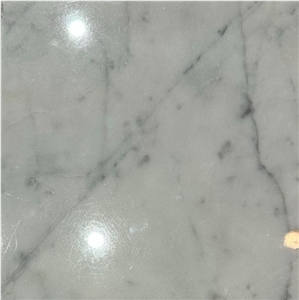
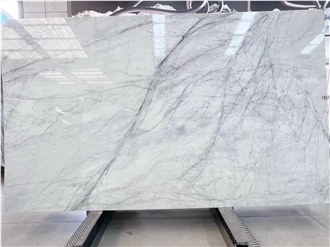
Zermatt White Marble is a refined and elegant natural marble, named for its resemblance to the pristine snow of the Zermatt region. It features a soft, milky white base delicately adorned with subtle, flowing veins of light grey and faint greenish tones. The gentle, organic patterns evoke a sense of calm and natural beauty, reminiscent of a serene winter landscape. Its understated elegance makes it highly suitable for luxury interior and architectural applications.

Texture & Structure:

This marble has a fine to medium crystalline texture with a compact and dense structure, providing strength, durability, and good polish retention. The stone’s natural veining and subtle tonal variations ensure each slab is unique, while its uniform crystalline structure allows for precise cutting and fabrication.

Technical Properties:

  • Compressive Strength: ~70–90 MPa
  • Mohs Hardness: 3–4
  • Water Absorption: <0.2%

Chemical Composition (% by weight):

  • Calcium Carbonate (CaCO₃) : ~95–98%
  • Magnesium Carbonate (MgCO₃) : ~1–2%
  • Other minerals (silica, clay, etc.) : ~1–2%

Mineral Composition (% by weight):

Calcite : ~95–98%

Dolomite : ~1–2%

Quartz, mica, and trace minerals : ~1–2%

Usage:

Ideal for a wide range of applications, including:

  • Flooring and wall cladding
  • Kitchen and bathroom countertops
  • Vanity tops and sinks
  • Staircases and treads
  • Fireplaces and decorative panels
  • Mosaics and feature walls

Maintenance:

  • Clean with pH-neutral stone cleaners
  • Avoid acidic or abrasive chemicals
  • Apply stone sealer to prevent staining
  • Regular dusting and wiping recommended

FAQ

Can 2cm thickness Zermatt White Marble be used for stair steps?

Yes, a 2cm thickness of Zermatt White Marble can be used for stair steps. However, there are a few important considerations to ensure safety and longevity: 1. **Structural Support**: Ensure that there is adequate structural support underneath the marble. The substructure should be strong enough to support the weight of the marble and any additional load from foot traffic. 2. **Slip Resistance**: Marble can be quite slippery, especially when wet. Consider a honed finish or applying an anti-slip treatment to reduce the risk of slipping. 3. **Edge Protection**: The edges of the marble steps should be beveled or rounded to prevent chipping. Additionally, using edge treatments or nosing can enhance durability. 4. **Maintenance**: Marble requires regular maintenance to keep it looking good. Be prepared for periodic sealing and cleaning to protect against stains and scratches. 5. **Environmental Factors**: If the stairs are outdoors, consider the effect of weather, temperature changes, and exposure to elements, which can affect the marbles durability over time. Always consult with a professional contractor or architect to ensure that the marble is installed correctly and safely for use as stair steps.
Is Zermatt White Marble suitable to use for sculpturing?

Zermatt White Marble can be suitable for sculpting, but its specific suitability depends on several factors. Generally, the qualities that make a marble suitable for sculpting include its homogeneity, grain size, workability, and the absence of impurities or extensive veining that might weaken the stone. - **Homogeneity**: A uniform texture and color are desirable because they offer consistency throughout the sculpture. - **Grain Size**: Fine-grained marble is often preferred for detailed work as it allows for a smooth finish. - **Workability**: The marble should be soft enough to carve, yet sturdy enough to maintain details without chipping or crumbling. - **Absence of Impurities**: Impurities or defects such as cracks, extensive veining, or foreign mineral deposits can affect the integrity and appearance of the finished sculpture. If Zermatt White Marble meets these criteria, then it could be a good choice for sculpting. It might be wise to test a small block to assess its characteristics before committing to a large project. Additionally, consulting with a professional sculptor or supplier who knows the specific properties of Zermatt White Marble could provide more insights.

Does coffee stain the surface of Zermatt White Marble countertop?

Yes, coffee can stain the surface of Zermatt White Marble countertops. Marble is a naturally porous stone, which makes it susceptible to staining from various liquids, including coffee. The porous nature of marble allows liquids to seep into the surface, and substances with strong pigments, like coffee, can leave marks or discoloration. To protect your marble countertop, its important to clean up spills immediately and consider applying a sealant designed for marble to reduce its porosity. If staining does occur, there are commercial marble cleaners and techniques that might help in removing or minimizing the stain.

What type of abrasive should be used to honed the Zermatt White Marble surface?

To hone Zermatt White Marble, youll want to use diamond abrasives. This type of abrasive is effective for natural stone surfaces like marble. The honing process typically involves using diamond pads with a progressively finer grit to achieve a smooth, matte finish without a polished shine. Start with a coarser grit and gradually work up to a finer grit to ensure an even and consistent surface. Always ensure that the diamond abrasives are suitable for natural stone and that youre following the manufacturers recommendations and guidelines for honing marble.

Can Zermatt White Marble be used for kitchen countertop?

Yes, Zermatt White Marble can be used for kitchen countertops. It offers a luxurious and elegant appearance with its white background and subtle veining. However, there are a few considerations to keep in mind: 1. **Porosity:** Marble is a porous material, which means it can stain if spills are not cleaned up promptly. Its important to seal the marble countertops regularly to protect against staining and etching. 2. **Durability:** While marble is durable, it can be more prone to scratching and chipping compared to harder materials like granite or quartz. Its advisable to use cutting boards and avoid placing heavy or sharp objects directly on the surface. 3. **Maintenance:** Regular maintenance is required to keep the marble looking its best. This includes frequent cleaning with a pH-neutral cleaner and periodic resealing. 4. **Aesthetic Preferences:** The natural beauty and unique veining of Zermatt White Marble can be a focal point in kitchen design, making it a popular choice for those who value aesthetic appeal. If youre considering Zermatt White Marble for your kitchen, it’s a good idea to evaluate your lifestyle and how much maintenance youre willing to do to keep the countertops in good condition.

How can I repair the scratched surface of the Zermatt White Marble countertop?

Repairing a scratched Zermatt White Marble countertop requires a delicate approach to preserve the integrity and beauty of the material. Here’s a step-by-step guide you can follow: 1. **Assess the Damage:** - Determine the depth of the scratches. Light surface scratches are easier to repair than deep ones. 2. **Clean the Surface:** - Use a soft cloth or sponge with warm water and a pH-neutral stone cleaner to remove any dust or debris. Avoid harsh chemicals as they can damage the marble. 3. **Buffing Minor Scratches:** - For superficial scratches, use a marble polishing powder. Make sure it is specifically designed for marble. - Dampen a clean cloth or a buffer pad, apply a small amount of the polishing powder, and gently rub over the scratched area using circular motions. - Continue to buff the area until the scratch diminishes. You may need to apply more polishing powder as you go, depending on the severity of the scratch. 4. **Dealing with Deeper Scratches:** - For deeper scratches, you might need to use a fine-grit sandpaper (at least 400-grit). Wet the sandpaper and gently sand over the scratch, being careful to blend the edges with the surrounding surface. - After sanding, use a marble polishing compound to restore the shine. Apply it with a clean, damp cloth and buff using circular motions. 5. **Finish the Surface:** - After addressing the scratches, wipe the area with a clean, damp cloth and then dry it thoroughly. - Consider applying a marble sealer to protect the surface. Follow the manufacturer’s instructions for the best results. 6. **Seek Professional Help:** - If the scratches are too deep, or if you’re uncomfortable performing the repair yourself, it may be best to contact a professional stone restoration specialist. Remember, always test any product or method on a small, inconspicuous area first to ensure it does not adversely affect your marble. Regular maintenance and cleaning will help minimize scratches and keep your countertop looking pristine.

Products & Prices

Hot White Marble

New Marble

Post Your Request

The request includes:
  1. surface finished, size
  2. quantity required