


 Afghanistan
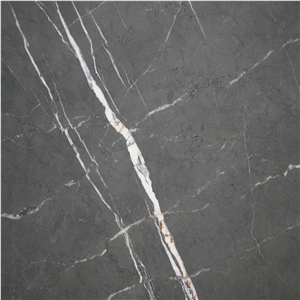
Can Afghanistan's Zurmat Marble be used exterior applications in cold climates?
Afghanistans Zurmat Marble can be used for exterior applications in cold climates, depending on its specific characteristics and the type of cold climate it will be exposed to. Marble is generally a durable and long-lasting material that can withstand various weather conditions, including cold temperatures. However, it is important to consider the following factors:
1. Frost Resistance: The marble should have good frost resistance properties to prevent damage due to freezing and thawing cycles. It is recommended to choose a marble with a low water absorption rate to minimize the risk of cracking or spalling in freezing conditions.
2. Hardness and Density: The hardness and density of the marble will affect its resistance to impact and wear in cold climates. A denser and harder marble will generally be more suitable for exterior applications, as it will be less prone to chipping or erosion caused by freezing and weathering.
3. Surface Finish: The choice of surface finish can also impact the marbles performance in cold climates. A polished finish may be more susceptible to becoming slippery when wet or covered in snow, whereas a honed or textured finish could provide better traction.
4. Maintenance: Regular maintenance and sealing may be necessary to protect the marble from the effects of cold and moisture. Applying a high-quality sealer can help prevent water absorption and minimize potential damage.
It is advisable to consult with a professional architect, contractor, or supplier who is familiar with the specific properties of Zurmat Marble and the climatic conditions of your location to determine its suitability for exterior applications in cold climates.

 Turkey


 Italy

 Iran


 China

 Bolivia

 Greece

 Namibia

 Sierra Leone