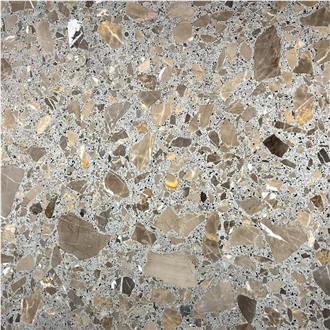
Can Alps White Terrazzo be used exterior applications in cold climates?
Terrazzo is a popular material for both interior and exterior applications due to its durability and resistance to weathering. However, the specific performance of a terrazzo product, such as Alps White Terrazzo, in cold climates will depend on various factors such as the type of resin used, the quality of the installation, and the level of maintenance.
In general, terrazzo is known for its ability to withstand temperature variations. However, in cold climates with freezing temperatures, there are a few considerations to keep in mind:
1. Freeze-thaw cycles: If water seeps into the terrazzo surface and freezes, it can lead to cracking or spalling. Its important to ensure proper installation with adequate drainage to prevent any water accumulation on the surface.
2. Porosity: If the terrazzo has a high porosity or a weak binding agent, it may be more prone to water absorption and subsequent damage in freezing conditions. Opting for a high-quality terrazzo with a low water absorption rate can help mitigate this issue.
3. Salt and de-icing chemicals: In cold climates, de-icing chemicals like salt are commonly used to melt snow and ice. These chemicals can sometimes cause discoloration or surface deterioration of natural stone materials, including terrazzo. Regular cleaning and maintenance can help prevent any long-term damage.
Its always recommended to consult with the manufacturer or a terrazzo professional before using a specific product for exterior applications in cold climates. They can provide specific advice based on the materials composition and characteristics, as well as the local climate conditions.

 9YR

 China