Post Your Needs

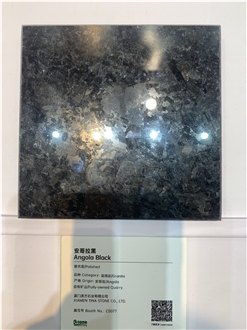
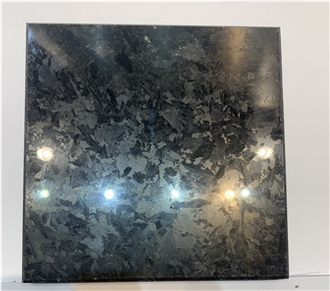
Angola Black Granite

Black - Granite

Angola

About

Item Details

Material Type:
Granite
Origin:
Angola (Lubango (Sá da Bandeira))
Primary Color(s):
Black
Recommended Usage:
Countertops, monuments, mosaic, exterior - interior wall and floor applications, fountains, pool and wall capping, stairs, window sills
Additional Names:
Angola Black, Labrador d'Angola Granite, Gramangola Black Granite, Angola Labrador Granite, African Black Granite, Nero Angola Granite, Angolan Black Granite, Black Angola Granite, Black Labradorita Granite, Lapis Black Granite, Labrador Black Granite, Granito Labradorita de Angola, Granito Negro Angola, Negro de Angola Granite, Nero Angola Granito, Granit Noir Angola, in China stone market:安哥拉黑(āngēlā hēi), Angola Black Granite
Finished Surface:
Polished,Flamed,Bush Hammered,Tumbled,Brushed,Honed,Split,Machine Cut,Natural Surface,Sandblasted,Acid Washing,Combed,Leathered,Water Jet,Filled,Chiseled,Pickling

Testing

Water Absorption:
0.02 mass %
Density:
2839 kg/m3
Flexural Strength:
25.2 MPa
Compressive Strength:
256-258 MPa

Description

Angola Black Granite is a prestigious natural stone quarried in Angola, a country located in southwestern Africa. It is highly regarded for its deep black color, uniform texture, and polished finish, making it a popular choice for a variety of design applications.

The primary characteristic of Angola Black Granite is its rich black color. The intense black background creates a bold and dramatic statement, adding a sense of elegance and sophistication to any space. The consistent coloration of Angola Black Granite makes it a versatile choice that can complement both modern and traditional design styles.

Angola Black Granite typically features a uniform texture with a medium to coarse grain size. This fine-grained structure gives the stone a smooth and polished appearance when properly finished. The consistent texture enhances the overall aesthetics of the granite, allowing it to showcase its deep black color and any subtle variations in pattern or veining.

One of the notable advantages of Angola Black Granite is its durability. Granite, in general, is known for its hardness and resistance to scratches, heat, and impact. Angola Black Granite is no exception and can withstand the demands of everyday use, making it suitable for a wide range of applications. It is commonly used for kitchen countertops, bathroom vanities, flooring, wall cladding, and even outdoor features like paving and facades.

Angola Black Granite is highly versatile in terms of design applications. Its sleek black appearance provides an excellent backdrop for contrasting elements, such as lighter cabinetry or decorative accents. It can create a bold statement in contemporary spaces or add a touch of elegance and timelessness to more traditional designs.

Quarried in Angola, this granite represents the country's abundant natural stone resources. Angola has a rich history of granite quarrying and is known for producing high-quality stones. Angola Black Granite, in particular, showcases the expertise and craftsmanship associated with Angolan granite extraction.

It's important to note that natural stones can exhibit variations in color, pattern, and veining. It is advisable to view and select the actual slabs before making a final decision to ensure they meet your specific preferences and design requirements.

In summary, Angola Black Granite is a prestigious natural stone known for its deep black color, uniform texture, and durability. Its bold appearance and versatility make it a favored choice for various design applications, adding a touch of elegance and sophistication to any space.

FAQ

What is the radioactive decay of Angola Black Granite?

The radioactive decay of Angola Black Granite is primarily due to the presence of uranium and thorium in the granite rock. These elements undergo radioactive decay over time, emitting alpha, beta, and gamma radiation. One of the main decay products of uranium in Angola Black Granite is radon gas, which can accumulate in indoor environments and pose a health risk if inhaled in high concentrations. Other radioactive decay products can also include radium, polonium, and lead isotopes. It is important to note that the levels of radioactivity in Angola Black Granite are generally considered to be low and not a significant health risk for most people. However, prolonged exposure to high levels of radiation can potentially increase the risk of health problems, especially for those who work with or are in close proximity to granite countertops or other materials containing radioactive elements.

Is there radiation in Angola Black Granite kitchen countertops?

Granite countertops, including Angola Black Granite, can contain trace amounts of radioactive materials such as Uranium and Thorium. However, the levels of radiation emitted by these materials are typically very low and not considered to be harmful to human health. The use of Angola Black Granite kitchen countertops is considered safe as long as the material is properly sealed and maintained. If you have concerns about radiation in your countertops, you can have them tested by a professional to ensure they are within safe limits.

How can I clean the grout of antique finish Angola Black Granite tiles?

To clean the grout of antique finish Angola Black Granite tiles, you can follow these steps: 1. Start by vacuuming or sweeping the tiles to remove any loose dirt or debris. 2. Mix a solution of warm water and mild dish soap in a bucket. 3. Use a grout brush or an old toothbrush to scrub the grout lines with the soapy water mixture. 4. For tough stains, you can make a paste with baking soda and water and apply it to the grout lines. Let it sit for a few minutes before scrubbing with a brush. 5. Rinse the tiles with clean water to remove the soap residue. 6. Dry the tiles with a clean cloth or towel. 7. If the grout still looks dirty or discolored, you can try using a commercial grout cleaner or a mix of vinegar and water. 8. Finally, seal the grout lines with a grout sealer to help prevent future stains and make cleaning easier. Its important to avoid using abrasive cleaners or scrubbing too hard, as this can damage the granite or the finish on the tiles. Always test any cleaning solution on a small, inconspicuous area before applying it to the entire surface.

Can sawn cut Angola Black Granite tiles be used for internal flooring?

Yes, sawn cut Angola Black Granite tiles can be used for internal flooring. Granite is a durable and versatile material that is well-suited for flooring due to its resistance to wear and tear, high durability, and low maintenance requirements. Angola Black Granite, in particular, is a popular choice for flooring due to its elegant look and dark color. Sawn cut tiles are cut using a sawing process, which creates a smooth and uniform finish that is suitable for use as flooring. Just make sure to properly seal the tiles to protect them from stains and maintain their appearance.

Can Angola Black Granite be used in landscaping?

Yes, Angola Black Granite can be used in landscaping. This type of granite is highly durable and has a beautiful dark black color, which makes it a popular choice for various outdoor applications. It can be used for pathways, driveways, patios, pool surrounds, steps, retaining walls, and other landscaping features. Its versatility and aesthetic appeal make it suitable for both residential and commercial landscaping projects.

What is the coefficient of friction of Water Jet Cut Angola Black Granite tiles?

The coefficient of friction of Water Jet Cut Angola Black Granite tiles can vary depending on various factors such as the finish of the tiles, the specific surface conditions (e.g., wet or dry), and the presence of any additional treatments or coatings. Without specific information on these factors, it is difficult to provide an exact value for the coefficient of friction. However, granite in general typically has a coefficient of friction ranging from 0.6 to 0.8, which indicates a moderate level of slip resistance.

How often do I need to seal black granite?

As black granite is highly dense and less porous than other types of granite, it may require sealing less frequently. However, the frequency of sealing depends on several factors such as the quality of the granite, the type of sealer used, and the amount of wear and tear the granite surface experiences. On average, it is recommended to seal black granite countertops or surfaces every 1 to 3 years. However, its essential to monitor the condition of the granite and perform a water test to determine if resealing is necessary.

Can dish soap damage black granite?

Dish soap is generally safe to use on black granite countertops. However, it is important to avoid using harsh cleansers or abrasive scrubbers, as they can potentially damage the surface of the granite. It is recommended to use a mild dish soap diluted with water and a soft cloth or sponge for routine cleaning.

What cleaning materials should not be used on black granite?

There are a few cleaning materials that should not be used on black granite to avoid damage or discoloration. These include: 1. Abrasive cleaners: Avoid using harsh abrasive cleaners or scouring pads as they can scratch the surface of the granite. 2. Acidic cleaners: Stay away from acidic cleaners such as vinegar, lemon juice, or ammonia-based products. These can etch the granite and damage the sealant. 3. Bleach: Avoid using bleach or any bleach-containing products as they can cause discoloration. 4. Oil-based cleaners or polishes: Oil-based cleaners or polishes can leave a residue on the granite surface, making it dull and attracting more dirt and grime over time. 5. Windex or glass cleaners: Glass cleaners often contain ammonia, which can damage the granite surface and cause dullness. Its always recommended to use a pH-neutral, non-abrasive granite cleaner specifically designed for natural stone surfaces.

Where does the cheapest black granite come from?

The cheapest black granite generally comes from countries such as India, China, and Brazil. These countries have abundant natural resources and lower labor costs, allowing them to produce and sell black granite at a lower price compared to other regions.

Customer reviews

Customer reviews

Write a Review
FAI**** Pakistan

I need different color Angola country

Helpful (0) 0Reply

Products & Prices

View More

Hot Black Granite

New Granite

Post Your Request

The request includes:
  1. surface finished, size
  2. quantity required