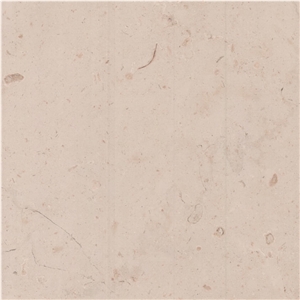
Angola Cream Limestone

About
Item Details
- Material Type:
- Limestone
- Origin:
Angola - Recommended Usage:
- Kitchen and bathroom countertops, wash basins, building stone, ornamental stone, stairs, interior, exterior wall and floor applications, mosaic, waterjet pattern, wall panels, table tops, balustrades, columns, wall and pool copings, pool pavers, fireplaces
- Additional Names:
- Angola Beige Limestone, Cream Cobal Limestone, in China stone market:安哥拉米黄(Ān gē lā mǐ huáng), Angola Cream Limestone
- Finished Surface:
- Polished,Bush Hammered,Tumbled,Brushed,Honed,Split,Machine Cut,Natural Surface,Sandblasted,Combed,Water Jet,Chiseled,Pickling
Testing
- Water Absorption:
- 1–2%
- Density:
- 2400 Kg/m³
- Flexural Strength:
- 10–12 MPa
- Compressive Strength:
- 50–70 MPa
Description
Angola Cream Limestone is a natural sedimentary stone prized for its elegant, neutral aesthetic. The stone exhibits a light cream color, sometimes complemented by subtle blue-gray undertones or warm earthy and honey shades. This versatile palette makes it suitable for a variety of architectural and interior design applications. Its consistent color and texture allow it to harmonize with both modern and classical design schemes.
Texture and Pattern:
- Fine to medium grain, uniform and compact
- Natural variations and occasional fossil traces add subtle character
- Smooth, homogeneous appearance suitable for large slabs or detailed tiles
Composition and Properties:
- Primarily calcium carbonate (CaCO₃)
- Minor silicate and clay minerals
- Hardness: Mohs 3–4
- Density: ~2.4 g/cm³
- Water absorption: ~1–2%
- Flexural strength: ~10–12 MPa
- Compressive strength: ~50–70 MPa
Usage:
- Interior: flooring, wall cladding, countertops, stairs, decorative panels
- Exterior: façades, paving, landscaping elements
- Maintenance: Clean with neutral pH cleaners; avoid acidic solutions
- Periodic sealing recommended for exterior or high-traffic applications
FAQ
When considering Angola Cream Limestone for use as walkway pavers, there are a few factors to consider about its durability and suitability:
1. **Limestone Characteristics**: Limestone is a sedimentary rock that is generally softer and more porous than other natural stones like granite or basalt. However, its durability can vary significantly depending on its density and composition.
2. **Thickness**: A thickness of 3 cm (approximately 1.18 inches) is fairly standard for stone pavers. This thickness can provide adequate durability for pedestrian traffic, assuming the underlying base is properly prepared and the stones are installed correctly.
3. **Durability**: Angola Cream is known for its aesthetic appeal and can be durable enough for residential walkway use. However, it may not handle very high traffic areas or heavy loads as well as harder stones. It is important to seal limestone to protect it from stains, water absorption, and weathering.
4. **Climate Considerations**: Limestone can be susceptible to wear from extreme weather conditions. In climates with freeze-thaw cycles, it may be more prone to cracking or spalling unless adequately sealed and maintained.
5. **Maintenance**: Regular maintenance such as sealing and cleaning can help preserve the appearance and durability of limestone pavers. Over time, limestone may develop a natural patina, which some people find desirable.
Overall, while Angola Cream Limestone can be used for walkway pavers, it is essential to consider the specific environmental conditions, expected foot traffic, and maintenance willingness. For high-traffic areas or those subject to harsh climatic conditions, consulting with a stone professional may help determine if additional reinforcement or a different material would be better suited.
How can I maintain Angola Cream Limestone flooring?
Maintaining Angola Cream Limestone flooring involves several key steps to ensure its longevity and beauty:
1. **Regular Cleaning:**
- **Sweeping or Vacuuming:** Use a soft broom or a vacuum with a brush attachment to remove dust and debris regularly. Avoid vacuums with beater bars as they can scratch the surface.
- **Mopping:** Use a damp mop with water or a pH-neutral stone cleaner. Avoid acidic or abrasive cleaners, as they can damage the limestone.
2. **Prompt Spill Cleanup:**
- Blot spills immediately with a soft cloth to prevent staining. Avoid wiping, as this can spread the liquid and potentially cause stains.
3. **Sealant Application:**
- Limestone is porous, so applying a good-quality sealant periodically is important to protect it from stains and wear. Depending on the traffic and usage, resealing every 1-2 years is often recommended.
4. **Avoiding Damage:**
- Use mats or rugs in high-traffic areas to minimize wear and tear. Non-slip rugs are recommended to prevent slipping.
- Place floor protectors under furniture to prevent scratching.
- Avoid wearing shoes like high heels that can dent the flooring.
5. **Deep Cleaning:**
- Occasionally, use a professional stone cleaner for deep cleaning. Its advisable to follow the manufacturers instructions.
6. **Avoiding Direct Sunlight:**
- Prolonged exposure to direct sunlight can cause discoloration. Use blinds or curtains to minimize sunlight exposure.
7. **Periodic Professional Care:**
- Consider hiring professional stone care services periodically for polishing and deep cleaning to restore the limestone’s natural shine.
By following these steps, you can maintain the beauty and durability of your Angola Cream Limestone flooring.
Does the surface of Angola Cream Limestone scratch easily?
Angola Cream Limestone, like other types of limestone, is relatively soft compared to harder stones like granite. This means it can be more susceptible to scratching. The surface can get scratched if it comes into contact with sharp or hard objects. To minimize scratching and keep the limestone looking its best, it’s a good idea to use cutting boards in the kitchen and to avoid dragging heavy or rough objects across its surface. Additionally, using sealants and regular maintenance can help protect the surface from damage.
Is Angola Cream Limestone a suitable choice for facades in cold winter climates?
Angola Cream Limestone, like many natural stones, can be used for facades in cold winter climates, but there are several considerations to keep in mind:
1. **Porosity and Water Absorption**: Limestone is a porous material. In cold climates, water can seep into the stone, and during freeze-thaw cycles, this water can freeze, expand, and cause the stone to crack or spall. Its important to use a limestone with low porosity and ensure it is properly sealed to prevent water infiltration.
2. **Frost Resistance**: Ensure that the specific type of Angola Cream Limestone has been tested for frost resistance and is deemed suitable for exterior use in such climates.
3. **Sealing and Maintenance**: Regular sealing and maintenance are crucial to protect the limestone from water ingress and staining. This helps to prolong the stones lifespan and maintain its aesthetic appeal.
4. **Installation Method**: Proper installation, including considering the stones thickness and using appropriate anchoring and support systems, is essential to withstand the stress of temperature fluctuations.
5. **Durability and Weathering**: Assess the stones durability and weathering characteristics. Some limestones may be more susceptible to weathering and erosion in harsh conditions.
Consulting with a stone specialist or architect experienced in using natural stone in cold climates is advisable. They can provide insights into the suitability of Angola Cream Limestone and suggest appropriate treatments or alternatives if necessary.
Can Angola Cream Limestone be used for kitchen countertop?
Angola Cream Limestone can technically be used for kitchen countertops, but there are important considerations to keep in mind. Limestone is a sedimentary rock that is softer and more porous than other countertop materials like granite or quartz. This means it is more susceptible to scratches, stains, and etching from acidic substances.
If you choose to use Angola Cream Limestone for a kitchen countertop, youll need to:
1. **Seal the surface**: Regularly apply a high-quality sealer to help protect against stains and moisture absorption.
2. **Use cutting boards**: Avoid cutting directly on the surface to prevent scratches.
3. **Clean spills immediately**: Especially acidic liquids like lemon juice, vinegar, or wine which can etch the surface.
4. **Regular maintenance**: Be prepared for regular maintenance and the possibility of needing to refinish the surface over time.
5. **Consider the aesthetic**: Limestone can provide a beautiful, unique appearance that may fit the aesthetic you are looking for, despite its practical challenges.
Ultimately, while it is possible to use Angola Cream Limestone for kitchen countertops, it may not be the most practical choice if durability and low maintenance are priorities.
How can I repair the scratched surface of the Angola Cream Limestone steps?
Repairing scratched Angola Cream Limestone steps involves several steps to ensure the finish is restored as closely as possible to its original appearance. Heres a method to repair the scratches:
1. **Clean the Surface**:
- Before beginning any repair work, clean the steps thoroughly to remove any dirt, debris, or surface dust. Use a pH-neutral stone cleaner and a soft cloth or mop. Avoid acidic or abrasive cleaners, as these can damage limestone.
2. **Assess the Damage**:
- Determine the extent and depth of the scratches. Light surface scratches can often be handled with polishing, while deeper scratches might require more intensive treatment.
3. **Sand the Surface**:
- For deeper scratches, you might need to sand the affected area. Use a fine-grit sandpaper (around 400 to 600 grit) and sand gently over the scratched area, following the grain of the stone, to blend the scratch with the surrounding surface. Be sure to keep the sanded area as small as possible.
4. **Polish the Surface**:
- After sanding, or if the scratches are minor, you can polish the limestone. Use a limestone polishing powder or compound, following the manufacturers instructions. Apply with a soft cloth or a low-speed polisher with a felt or soft pad, moving in circular motions.
5. **Seal the Limestone**:
- Limestone is porous, so once the scratches are repaired and the surface is polished, consider applying a sealant to protect the stone from future staining and scratching. Use a breathable, penetrating sealer designed for limestone.
6. **Buff and Finish**:
- After the sealant has dried according to product instructions, buff the area with a soft, dry cloth to enhance the shine and ensure a uniform appearance.
7. **Regular Maintenance**:
- To prevent future scratches, regularly clean the steps with a pH-neutral cleaner and avoid dragging heavy objects across the surface. Placing mats or rugs at entry points can also help reduce wear.
If the scratches are extensive or the limestone is damaged beyond what you can repair with these steps, you might want to consult a professional stone restoration service to avoid further damage to the stone.


15YR