Post Your Needs

Golden Flowing Sand Limestone

Limestone

Croatia

About

Item Details

Material Type:
Limestone
Origin:
Croatia
Recommended Usage:
kitchen and bathroom countertop, wash basins, building stone, ornamental stone, stairs, interior, exterior wall and floor applications, mosaic, water-jet pattern, wall panels, table tops, balustrades, columns, wall and pool copings, pool pavers, sculptures, fireplaces, window sills
Additional Names:
Golden Sand Limestone, Golden Sand Dune Limestone, Golden Faith Limestone, Beige Dalmatia Sand Limestone, in China Stone Market:流金染沙(Liú Jīn Rǎn Shā)
Finished Surface:
Polished,Bush Hammered,Tumbled,Brushed,Honed,Split,Machine Cut,Natural Surface,Sandblasted,Combed,Leathered,Water Jet,Chiseled,Pickling

Description

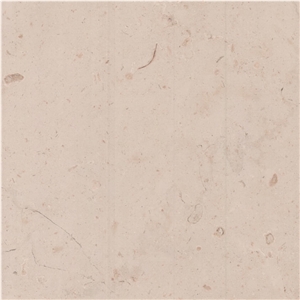
Golden Flowing Sand Limestone is a warm, golden-beige natural limestone quarried in Croatia. Its sandy-gold tone creates a welcoming, natural appearance suitable for both contemporary and traditional architectural designs. The relatively uniform coloration provides a harmonious look across large surfaces.

Texture & Structure

The stone features a fine-grained, granular texture with a generally consistent appearance. Its pattern is subtle and understated, with natural variations in golden, beige, and sandy tones. The relatively uniform structure makes it suitable for projects requiring visual continuity, although individual slabs and tiles may vary naturally.

Usage

Golden Flowing Sand Limestone is suitable for a range of architectural and decorative applications, subject to confirmation of its technical properties and the selected finish.

  • Interior flooring and wall cladding
  • Exterior wall cladding, subject to weather and frost-resistance testing
  • Staircases, steps, and risersWindow sills and door surrounds
  • Decorative wall panels and architectural details
  • Paving and landscaping, where appropriate for the local climate
  • Custom-cut stonework and ornamental applications

Maintenance

Clean the surface with a pH-neutral stone cleaner and a soft cloth or mop. Avoid acidic cleaners, including vinegar and lemon-based products, because acids can etch limestone. Wipe up spills promptly and use a suitable penetrating sealer when recommended for the stone and its application. Sealing can help reduce staining but does not make limestone completely stain-proof. For exterior installations, ensure suitable drainage and confirm freeze-thaw resistance before installation.

FAQ

Can Golden Flowing Sand Limestone be used in freeze-thaw climates?

Golden Flowing Sand Limestone, like many types of limestone, can be susceptible to damage in freeze-thaw climates. Limestone is a porous natural stone, which means it can absorb water. In climates that undergo frequent freeze-thaw cycles, the water absorbed by the stone can freeze and expand, potentially leading to cracking and structural damage over time. To use limestone effectively in freeze-thaw climates, considerations should be made, such as: 1. **Sealing**: Regularly applying a high-quality stone sealer can help reduce water absorption and protect the surface from freeze-thaw damage. 2. **Proper Installation**: Ensuring proper installation with attention to drainage and avoiding water pooling can minimize water infiltration into the stone. 3. **Choosing Dense Varieties**: Some limestone varieties are denser and less porous than others, making them more suitable for freeze-thaw environments. 4. **Maintenance**: Regular maintenance and inspection can help identify and repair small cracks or issues before they lead to significant damage. 5. **Expert Consultation**: Consulting with a stone or construction professional who has specific experience with local climate conditions can provide guidance adapted to your specific situation. Ultimately, while Golden Flowing Sand Limestone can be used in freeze-thaw climates with certain precautions, careful consideration and maintenance are crucial to ensure its long-term durability.
Is Golden Flowing Sand Limestone suitable for high-traffic areas?

Golden Flowing Sand Limestone can be suitable for high-traffic areas, but several factors should be considered before making a decision: 1. **Durability:** Limestone is generally a durable natural stone, but it is softer compared to other stones like granite or marble. For high-traffic areas, ensure that the Golden Flowing Sand Limestone has been properly treated and sealed to enhance its durability and resistance to wear. 2. **Finish:** The type of finish can affect its suitability for high-traffic areas. A honed or matte finish is typically more appropriate for such spaces since it is less likely to show scratches and wear compared to a polished finish. 3. **Slip Resistance:** Ensuring the limestone has a slip-resistant surface is crucial, especially in areas prone to moisture. Textured finishes or treatments can enhance slip resistance. 4. **Maintenance:** Regular maintenance, including sealing, cleaning, and periodic check-ups, is essential to keep the limestone looking good and functioning well in high-traffic areas. 5. **Aesthetic Considerations:** The visual appeal of Golden Flowing Sand Limestone, with its unique patterns and colors, can be enhanced or diminished based on its usage. Consider whether the appearance aligns with your design expectations for high-traffic areas. Ultimately, while Golden Flowing Sand Limestone can be a viable option for high-traffic areas, it is important to weigh these considerations and consult with a professional to ensure it meets the specific needs of your project.

Can acidic foods damage Golden Flowing Sand Limestone kitchen countertop?

Yes, acidic foods can damage Golden Flowing Sand Limestone kitchen countertops. Limestone is a sedimentary rock composed mainly of calcium carbonate, which is sensitive to acids. When acidic substances, such as lemon juice, vinegar, tomato sauce, or certain fruits, come into contact with the surface, they can cause etching. This etching appears as dull spots on the polished surface, resulting in loss of shine, and may lead to staining if the countertop is not sealed properly. It is important to clean up spills promptly and use cutting boards, coasters, and place mats to protect the surface from acidic materials. Regular sealing can also provide additional protection against etching and staining.

Which Golden Flowing Sand Limestone thickness is best for commercial stair treads?

When selecting Golden Flowing Sand Limestone for commercial stair treads, considerations need to be made for durability, safety, and aesthetics. Typically, a thickness of 1.25 inches (approximately 3.2 cm) to 2 inches (approximately 5 cm) is suitable for commercial stair treads. This thickness provides enough strength to withstand heavy foot traffic and minimizes the risk of cracking or breaking. Its also important to consider factors such as slip resistance, especially in wet conditions, and any local building codes or regulations that may dictate specific requirements. Additionally, the chosen thickness should work aesthetically with the overall design of the space while ensuring the treads are sturdy enough to meet functional demands. Consulting with a professional or supplier familiar with local conditions and requirements would be beneficial.

Can I use bleach when cleaning a Golden Flowing Sand Limestone reception countertop?

Using bleach on a Golden Flowing Sand Limestone countertop is not recommended. Limestone is a porous and relatively soft natural stone, which can be easily damaged by harsh chemicals like bleach. Bleach can cause discoloration, etching, and degradation of the stones surface over time. Instead, use a pH-neutral stone cleaner specifically formulated for natural stone surfaces. This type of cleaner will effectively clean the countertop without causing harm. Additionally, make sure to promptly wipe up any spills and use coasters or placemats to protect the surface. Regularly applying a stone sealer can also help protect the countertop from stains and damage.

If I chop meat on a Golden Flowing Sand Limestone kitchen countertop, will it leave knife marks?

Golden Flowing Sand Limestone is a type of natural stone, and like most natural stones, it can be relatively soft compared to other materials such as granite or quartz. Chopping meat or using a knife directly on a limestone countertop can indeed leave knife marks or scratches. Limestone is more prone to scratching and etching due to its porous nature. To preserve the appearance of your countertop, its advisable to use a cutting board when working with knives. This will help prevent damage to both your knives and the countertop. Additionally, using protective measures will keep the surface in better condition over time and minimize the need for any repairs or refinishing.

Hot Limestone

New Limestone

Post Your Request

The request includes:
  1. surface finished, size
  2. quantity required