


 India
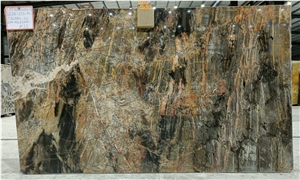
How can I maintain Arizona Forest Granite polished finish flooring?
Maintaining the polished finish of Arizona Forest Granite flooring requires regular care and attention. Here are some steps to help you keep it looking its best:
1. **Regular Cleaning**:
- **Dust and Sweep**: Use a dry, untreated dust mop or a vacuum cleaner with a soft brush attachment to remove dust, dirt, and debris regularly.
- **Damp Mop**: Use a pH-balanced, non-abrasive granite cleaner with warm water to damp mop the floor. Avoid excessive water as granite is porous and can absorb moisture.
2. **Stain Prevention**:
- **Wipe Spills Immediately**: Clean up any spills promptly to prevent staining. Use a soft, non-abrasive cloth to blot, not rub, spills.
- **Use Mats and Rugs**: Place doormats at entrances and rugs in high-traffic areas to reduce dirt and abrasives on the floor.
3. **Avoid Harsh Chemicals**:
- **Non-Acidic Cleaners**: Avoid using acidic or abrasive cleaners, as they can dull the polish and damage the stone.
- **No Vinegar or Ammonia**: Steer clear of vinegar, ammonia, or lemon-based cleaning products.
4. **Protecting the Finish**:
- **Seal the Surface**: Depending on the granites porosity, sealing may be necessary every 1-3 years. Test the surface by applying a few drops of water; if it beads, the seal is good; if it absorbs, its time to reseal.
- **Furniture Pads**: Use pads under furniture to prevent scratches.
5. **Polishing**:
- **Professional Polishing**: Over time, you may want to have a professional polish to restore the floors shine if it becomes dull.
- **DIY Polishes**: You can occasionally use a granite polish specifically designed for stone surfaces to enhance the shine.
6. **Routine Maintenance**:
- **Regular Inspections**: Check for any signs of wear, damage, or dullness and address these promptly.
- **Professional Maintenance**: Consider professional cleaning and maintenance annually or as needed.
By following these guidelines, you can help preserve the beauty and longevity of your Arizona Forest Granite polished finish flooring.



 Brazil

 China


