Post Your Needs

Arizona Granite

Granite

India

About

Item Details

Material Type:
Granite
Origin:
India
Recommended Usage:
kitchen and bathroom countertops, wash basins, building stone, ornamental stone, stairs, interior, exterior wall and floor applications, mosaic, waterjet pattern, wall panels, table tops, balustrades, columns, wall and pool copings, pool pavers, sculptures, fireplaces, window sills
Additional Names:
Arizona Gold Granite, Arizona Gray Granite, Arizona Grey Granite, Arizona 3D Granite, Arizona Granite
Finished Surface:
Polished,Flamed,Bush Hammered,Tumbled,Brushed,Honed,Split,Machine Cut,Natural Surface,Sandblasted,Acid Washing,Combed,Leathered,Water Jet,Filled,Chiseled,Pickling

Testing

Water Absorption:
0.20% – 0.40%
Density:
2600 – 2710 kg/m³
Flexural Strength:
12 – 17 MPa
Compressive Strength:
175 – 220 MPa

Description

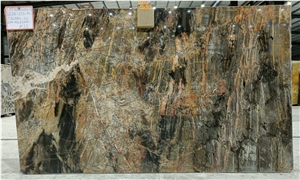
Arizona Granite is an exotic Indian natural stone characterized by a warm, earthy multitone background composed of beige, taupe, and light brown shades, enriched with striking accents of deep amber, golden-yellow, and dark brown to black mineral veining. The overall appearance evokes natural landscapes such as forest floors, aged timber, and weathered rock formations, offering a balanced combination of rustic warmth and refined elegance. Its natural variation across slabs ensures each piece presents a unique, organic visual identity suitable for premium architectural applications.

Texture & Pattern:

Arizona Granite exhibits a medium- to coarse-grained crystalline structure with a dense and interlocking mineral composition. The pattern is highly complex, featuring web-like vein networks and speckled organic formations reminiscent of tree bark textures, moss patterns, and geological strata. Veins range from fine, delicate linear structures to bold, interconnected and branching formations, producing a dynamic and “lived-in” visual effect. Polished finishes enhance depth and color contrast, while honed and leathered finishes emphasize its natural earthy character and tactile feel.

Physical & Mechanical Test Results (Typical):

  • Density: 2,600 – 2,710 kg/m³
  • Water Absorption: 0.20% – 0.40%
  • Compressive Strength: 175 – 220 MPa
  • Flexural Strength: 12 – 17 MPa
  • Abrasion Resistance: High
  • Hardness (Mohs): 6 – 7

Chemical Composition (% by weight):

  • SiO₂: 68 – 74%
  • Al₂O₃: 12 – 15%
  • K₂O + Na₂O: 4 – 6%
  • Fe₂O₃: 2 – 4%
  • CaO: 1 – 2%
  • MgO: 0.5 – 1.5%

Mineralogical Composition (% by weight):

  • Quartz: 25 – 35%
  • Feldspar (Orthoclase & Plagioclase): 50 – 58%
  • Biotite / Hornblende: 8 – 12%
  • Accessory minerals: 1 – 3%

Applications:

Suitable for a wide range of interior and exterior architectural applications including flooring, wall cladding, kitchen countertops, bathroom vanities, staircases, feature walls, hotel lobbies, commercial interiors, façades, and landscaping elements. Its natural warm tones make it particularly suitable for luxury residential and hospitality environments.

Surface Finish Options:

Polished, Honed, Leathered, Brushed, Flamed, Sandblasted, Bush-Hammered, Waterjet Cut, Machine-Cut

Maintenance:

Arizona Granite is a durable, low-maintenance natural stone. Regular cleaning with mild soap and water is recommended. Periodic sealing is advised for countertops, exterior installations, and high-use surfaces to enhance stain resistance and preserve its natural color depth and texture over time.

FAQ

How can I maintain Arizona Granite polished finish flooring?

Maintaining the polished finish of Arizona granite flooring involves regular cleaning and care to preserve its natural beauty and longevity. Here are some steps you can follow: 1. **Regular Cleaning:** - Sweep or vacuum the floor regularly to remove any dirt or debris that might scratch the surface. - Use a damp mop with warm water and a pH-neutral granite cleaner for routine cleaning. Avoid using acidic or alkaline cleaners as they can dull the finish. 2. **Immediate Spill Cleanup:** - Wipe up spills immediately to prevent staining. Granite is porous and can absorb liquids, which might lead to etching or discoloration. 3. **Use a Soft Cloth or Mop:** - When mopping, use a microfiber mop or a soft cloth to avoid scratching the surface. Do not use steel wool or abrasive scrubbers. 4. **Avoid Harsh Chemicals:** - Do not use bleach, ammonia, or any harsh chemicals on granite, as they can damage the polished finish. 5. **Seal the Granite:** - Check if your granite is sealed and if not, consider having it professionally sealed. Sealing helps protect the stone from stains and helps maintain its shine. Reseal every 1-2 years or as recommended by your installer. 6. **Protective Mats and Pads:** - Place mats or rugs at entryways to catch dirt and reduce the amount of grit tracked onto the floor. - Use furniture pads under heavy furniture to prevent scratches. 7. **Polishing:** - Over time, the polished finish might dull. Use a granite polish specifically designed for stone surfaces once every few months to restore shine. - For significant dulling or scratches, consider a professional polishing. 8. **Avoid Excessive Water Use:** - Do not over-saturate the floor with water. Excessive water can seep into the stone and may lead to damage or mold. 9. **Regular Inspection:** - Periodically inspect the floor for any signs of damage or wear and address issues promptly to prevent further degradation. By following these steps, you will maintain the polished finish of your Arizona granite flooring and ensure it remains a beautiful feature in your home for years to come.

Is Arizona Granite a suitable choice for facades in cold winter climates?

Arizona Granite can be a suitable choice for facades in cold winter climates, but there are several factors to consider: 1. **Durability**: Granite is a very durable and strong natural stone, which makes it generally suitable for exterior applications, including facades. It can withstand harsh weather conditions such as freeze-thaw cycles common in cold climates. 2. **Porosity**: Although granite is less porous than other types of stone like marble or limestone, it can still absorb water to some extent. In cold climates, water absorption can lead to damage if the water freezes and expands within the stone. To mitigate this risk, it is important to ensure that the granite is properly sealed with a high-quality penetrating sealer. 3. **Thermal Expansion and Contraction**: Granite can expand and contract with temperature changes, which is a common occurrence in areas with cold winters. To accommodate these changes without damaging the facade, proper installation techniques including expansion joints and mechanical fixing systems are recommended. 4. **Color and Finish**: Light-colored granites can be advantageous in cold climates as they absorb less heat from the sun, potentially reducing thermal stress. Additionally, textured finishes like flamed or bush-hammered can offer better resistance to slipping if the stone is accessible and comes into contact with ice or snow. 5. **Maintenance**: Regular maintenance, including resealing and cleaning, will help protect the granite facade and prolong its lifespan in any climate. Overall, Arizona Granite can be a suitable choice for facades in cold climates if proper installation and maintenance practices are followed. It is advisable to consult with a professional stone installer or architect experienced in using granite for exterior applications in similar climates.

Can Arizona Granite be used for kitchen countertop?

Yes, Arizona Granite can be used for kitchen countertops. Granite is a popular material for countertops because of its durability, heat resistance, and variety of colors and patterns. Arizona Granite refers to granite quarried in or associated with Arizona, and it typically shares these desirable properties. However, it is important to select a specific granite slab that suits your style preferences and to ensure it is properly sealed after installation to prevent staining and maintain its appearance over time. Its also advisable to consult with a professional installer to ensure the proper fit and finish.

How can I repair the scratched surface of the Arizona Granite steps?

Repairing a scratched surface on Arizona Granite steps requires careful attention and the right tools. Heres a general guide to help you repair the scratches: 1. **Assess the Damage**: - Determine the depth and severity of the scratches. Shallow scratches can often be repaired more easily, while deep scratches might require professional assistance. 2. **Clean the Surface**: - Thoroughly clean the steps with warm water and a few drops of mild dish soap to remove dirt and debris. Rinse and let dry completely. 3. **Supplies Needed**: - Granite polishing powder - Fine-grit sandpaper (1500 to 3000 grit) - Soft cloths or microfiber towels - Granite sealer (optional) - Water 4. **Sand the Scratches**: - For shallow scratches, gently sand over the affected area with fine-grit sandpaper in a circular motion. Be careful not to sand too hard or extensively as granite is resilient. 5. **Polish the Granite**: - Mix granite polishing powder with water to create a paste. Use a soft cloth to apply the paste to the sanded area and buff in a circular motion for a polished finish. - Alternatively, you can use a polishing compound specifically designed for granite. 6. **Wipe and Inspect**: - Wipe the area clean with a damp cloth to remove any residue. Inspect the area to see if the scratches are less visible or need additional treatment. 7. **Seal the Granite (Optional)**: - If the repair process slightly altered the surface of your granite, you may want to apply a granite sealer to protect it from future damage. Follow the sealers instructions on how to apply it properly. 8. **Prevent Future Scratches**: - Consider using rugs or mats in high-traffic areas to prevent future scratches. Regularly dust and clean the steps to avoid dirt buildup that can scratch the surface. If the scratches are particularly deep or widespread, its advisable to contact a professional who specializes in granite restoration. They have the tools and expertise to restore your granite steps effectively.

Is Arizona Granite with a polished surface good for house flooring?

Using Arizona granite with a polished surface for house flooring can be a good choice, depending on several factors. Here are some considerations: 1. **Durability**: Granite is a very durable and hard natural stone, making it suitable for flooring. It can withstand high traffic areas and is resistant to scratches and abrasions. 2. **Aesthetic Appeal**: Arizona granite with a polished surface has a shiny, glossy finish that can enhance the elegance of a space. Its natural patterns and colors can add a unique look to your home. 3. **Maintenance**: A polished granite surface is relatively easy to clean and maintain. However, it may require periodic sealing to maintain its shine and prevent staining, as polished granite can show smudges and dust more easily. 4. **Slip Resistance**: Polished granite can be slippery, especially when wet, which might not be the best choice for areas prone to moisture, like bathrooms or kitchens. Non-slip mats or runners can be used to mitigate this issue. 5. **Cost**: Granite is generally more expensive than other flooring materials like laminate or tile. Installation costs can also be high due to the weight and handling requirements of the stone. 6. **Temperature**: Granite can be cold underfoot, which might not be comfortable in cooler climates without additional heating solutions like radiant floor heating. 7. **Environmental Factors**: Consider whether Arizona granite fits well with the overall environmental design of your home, including factors like climate and interior decor. If the polished look and characteristics of Arizona granite align with your aesthetic preferences and practical needs, it can be an excellent choice for house flooring. However, always consult with a flooring professional to assess your specific situation and requirements before making a final decision.

Is Arizona Granite a suitable choice for gravestones?

Yes, Arizona granite can be a suitable choice for gravestones. Granite is a popular material for headstones and memorials due to its durability, resistance to weathering, and aesthetic appeal. Arizona granite, like other granites, is known for its strength and can withstand various environmental conditions, making it an excellent choice for memorials that need to last for many years. Moreover, granite comes in a variety of colors and patterns, which provides options for personalizing the appearance of the gravestone. Its always a good idea to consult with a monument or memorial provider to discuss specific needs and preferences, as they can offer advice on the best type of granite and design for a particular project.

Products & Prices

View More

Hot Granite

New Granite

Post Your Request

The request includes:
  1. surface finished, size
  2. quantity required