Post Your Needs

Arthemis Granite

Yellow - Granite

Brazil

About

Item Details

Material Type:
Granite
Origin:
Brazil (Espirito Santo)
Primary Color(s):
Yellow
Recommended Usage:
kitchen and bathroom countertops, wash basins, building stone, ornamental stone, stairs, interior, exterior wall and floor applications, mosaic, waterjet pattern, wall panels, table tops, balustrades, columns, wall and pool copings, pool pavers, fireplaces, window sills
Additional Names:
Arthemis Gold Granite, Arthemis Granite
Finished Surface:
Polished,Flamed,Bush Hammered,Tumbled,Brushed,Honed,Split,Machine Cut,Natural Surface,Sandblasted,Acid Washing,Combed,Leathered,Water Jet,Filled,Chiseled,Pickling

Testing

Water Absorption:
0,23 %
Density:
2621 kg/m3
Flexural Strength:
104 Kg/cm2
Compressive Strength:
1425-1578 Kg/cm2
Stone texture:
a warm yellow to golden background with subtle variations of beige, gray, and occasional darker tones, creating a soft yet dynamic appearance with gentle movement or light veining. It has a dense, compact crystalline structure with interlocking mineral grains, giving it strong durability and a consistent granular texture, finished smoothly when polished

Description

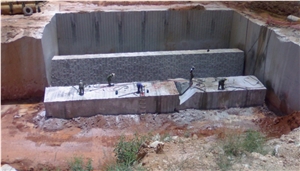
Arthemis Granite, quarried in Espirito Santo, Brazil, is a stunning natural stone known for its warm yellow to golden background accented with subtle variations of beige and gray. It often features occasional darker tones, offering a soft yet dynamic appearance enhanced by gentle movement or light veining. Its dense, compact crystalline structure and interlocking mineral grains lend it strong durability and a consistent granular texture, which is beautifully highlighted when polished. Below is a detailed description of its properties, compositions, uses, maintenance, and more:

Physical and Mechanical Properties

  • Water Absorption: 0.23%
  • Density: 2621 kg/m³
  • Flexural Strength: 104 Kg/cm²
  • Compressive Strength: 1425-1578 Kg/cm²
  • Hardness: Typically measures around 6-7 on the Mohs scale, making it quite durable and resistant to scratches.
  • Porosity: Low porosity, contributing to its resistance to staining and moisture.
  • Slip Resistance: Depending on the finish, the slip resistance can vary. Polished surfaces may be less slip-resistant than honed or flamed finishes.

Chemical and Mineral Composition (% by weight)

  • Quartz: 20-40%
  • Feldspar (Plagioclase/Orthoclase): 50-60%
  • Biotite and/or Muscovite Mica: 5-10%
  • Minor Minerals (such as Magnetite or Hematite): 1-2%
  • Trace Elements: Potassium, Sodium, and Iron contribute to color variations.

Usage

  • Countertops: An ideal choice for kitchen and bathroom countertops due to its durability and aesthetic appeal.
  • Flooring: Suitable for both residential and commercial flooring because of its strength and slip-resistant finishes.
  • Wall Cladding: Offers an elegant wall cladding option, enhancing both interior and exterior spaces.
  • Facades: Commonly used for building facades for its enduring beauty and weather resistance.
  • Paving Stones and Outdoor Landscaping: Its natural beauty makes it a popular choice for outdoor applications.

Maintenance

  • Sealing: Regular sealing is advised to maintain its porosity resistance, although its low porosity makes it less susceptible to staining than other natural stones.
  • Cleaning: Clean with pH-neutral cleaners to avoid damage. Avoid abrasive cleaners which can dull the polish.
  • Repair: Chips and scratches can be repaired by professional stone restorers.

Cutting Sizes (cm)

Arthemis Granite is available in a variety of sizes, commonly including:

  • Slabs: Standard size varies but generally around 250-320 cm in length by 150-200 cm in width.
  • Tiles: Standard tile sizes include 30x30, 30x60, 60x60 cm, and custom sizes as required.

Available Surface Finish Options

  • Polished: Achieves a high-gloss finish, highlighting the stone’s color and veining.
  • Honed: Provides a smooth, matte finish with less reflection.
  • Leathered: Retains a soft texture while enhancing color depth, offering a rustic, textured appearance.
  • Flamed: Creates a rough-textured surface ideal for outdoor, slip-resistant flooring and paving.

In summary, Arthemis Granite offers a blend of beauty and brawn, making it a versatile choice for a variety of architectural and interior design applications. Its comprehensive properties ensure it remains a preferred material in projects requiring both aesthetic and structural excellence.

Test Result - Technical Information

  • Volumetric Mass: 2,621 kg/m³
  • Compressive Strength: 1,578 kg/cm²
  • Bending Strength: 104 kg/cm²
  • Compressive Strength after Freezing: 1,425 kg/cm²
  • Imbibition Coefficient: 0.23%

FAQ

Can Brazil's Arthemis Granite be used in a bathroom?

Yes, Brazils Arthemis Granite can be used in a bathroom. Granite is a durable and water-resistant natural stone, making it an excellent choice for bathroom countertops, backsplashes, and even shower walls. Arthemis Granite, in particular, is known for its beautiful white and gray pattern, adding elegance to any bathroom design. However, it is important to properly seal and maintain the granite to ensure its longevity and resistance to moisture.

Can Brazil's Arthemis Granite be used exterior applications in very rainy climates?

Yes, Brazils Arthemis Granite can be used in exterior applications in very rainy climates. Granite is known for its durability, resistance to weathering, and ability to withstand moisture, making it a suitable choice for outdoor use in areas with heavy rainfall. However, it is essential to take proper care and ensure regular maintenance to preserve the beauty and longevity of the stone.

What is the coefficient of friction of Leathered Brazil's Arthemis Granite tiles?

The coefficient of friction of Leathered Brazils Arthemis Granite tiles can vary depending on various factors, such as the specific finish of the tiles and the surface they are in contact with. However, in general, granite tiles typically have a higher coefficient of friction compared to other types of tiles. The coefficient of friction can range anywhere from 0.6 to 0.8, indicating a relatively high level of slip resistance.

Can Brazil's Arthemis Granite be used in wall coverings?

Yes, Brazils Arthemis Granite can be used in wall coverings. Its durable and resistant nature makes it suitable for various interior and exterior applications, including wall cladding. Arthemis Granite is known for its unique coloration and patterns, which can add a natural and elegant touch to any wall surface.

What grade is Brazil's Arthemis Granite?

Arthemis Granite is a type of granite found in Brazil. It does not have a specific grade assigned to it, as granite grades typically vary by factors such as color, pattern, and quality. The quality of Arthemis Granite can vary depending on the specific quarry and the individual slab.

Are there color variations of Brazil's Arthemis Granite?

Yes, there are color variations of Brazils Arthemis Granite. The main background color of Arthemis Granite is usually a combination of white and gray, but it can also have variations of blue, beige, or even green hues running through it. Additionally, the patterns and veining can differ, ranging from subtle to bold, creating further variations within the material. It is always recommended to view multiple slabs and samples to choose the specific color variation that best suits your design preferences.

Is Brazil's Arthemis Granite an expensive stone?

I dont have access to the latest market prices of Arthemis Granite in Brazil. However, granite stones are generally considered to be expensive due to the high demand and difficulty in quarrying and transporting them. Their cost can vary depending on factors such as color, size, quality, and location. It is recommended to consult with a local supplier or contractor for pricing information.

Products & Prices

Hot Yellow Granite

New Granite

Post Your Request

The request includes:
  1. surface finished, size
  2. quantity required