Post Your Needs

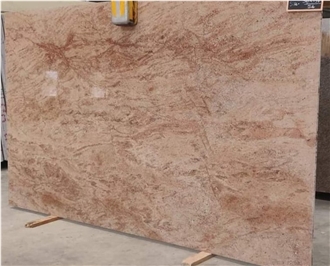
Astoria Pink Granite

Granite

India

About

Item Details

Material Type:
Granite
Origin:
India (Tamil Nadu)
Recommended Usage:
kitchen and bathroom countertops, wash basins, building stone, ornamental stone, stairs, interior, exterior wall and floor applications, mosaic, waterjet pattern, wall panels, table tops, balustrades, columns, wall and pool copings, pool pavers, sculptures, fireplaces, window sills
Additional Names:
Astoria Granite, Ivory Pink Granite, Ivory Brown Granite
Finished Surface:
Polished,Bush Hammered,Tumbled,Brushed,Honed,Split,Machine Cut,Natural Surface,Sandblasted,Acid Washing,Combed,Leathered,Water Jet,Filled,Chiseled,Pickling

Testing

Water Absorption:
0.15–0.35%
Density:
2650–2700 kg/m³
Flexural Strength:
12–16 MPa
Compressive Strength:
130–170 MPa

Description

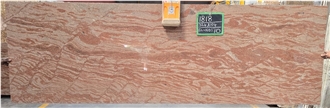
Astoria Pink Granite features a soft pink to rose-beige base with fine to medium-grained crystalline structure, providing a warm yet neutral foundation suitable for a wide range of design applications. Its gentle coloring and subtle veining make it an elegant choice for both interior and exterior projects.

Color, Texture & Pattern

Base Color: Soft pink to rose-beige, providing gentle warmth without intense saturation

Veining: Subtle flowing gray, silver, or white veins in soft organic patterns

Accents: Occasional flecks of dark gray, black, or crystalline quartz add visual texture and depth

Texture: Fine to medium-grained, crystalline, compact

Pattern: Natural, smooth flow with uniform color distribution, ideal for large slabs or continuous surfaces

Mineralogical Composition (% by weight)

  • Feldspar: ~50–60%
  • Quartz: ~30–40%
  • Biotite / Mica: ~2–5%
  • Accessory Minerals: Minor amounts of amphibole or hornblende

Chemical Composition (% by weight)

  • SiO₂: ~65–70%
  • Al₂O₃: ~15–18%
  • K₂O + Na₂O: ~4–6%
  • CaO: ~1–3%
  • Fe₂O₃: ~1–3%
  • MgO: ~0.5–2%

Physical & Mechanical Properties

  • Density: ~2,650–2,700 kg/m³
  • Water Absorption: 0.15–0.35%
  • Compressive Strength: ~130–170 MPa
  • Flexural Strength: ~12–16 MPa
  • Hardness: Mohs 6–7
  • Porosity: Low
  • Durability: Excellent resistance to heat, scratches, and moderate chemical exposure

Applications

  • Kitchen countertops and islands
  • Bathroom vanities and sinks
  • Flooring and wall cladding
  • Staircases and risers
  • Monuments and decorative elements
  • Interior and exterior architectural features

Maintenance

  • Clean with mild, pH-neutral soap or stone cleaner
  • Periodic sealing recommended for polished surfaces to maintain appearance
  • Resistant to staining and scratching under normal use

Surface Finish Options

  • Polished (high gloss)
  • Honed (matte, smooth)
  • Leathered (textured finish)
  • Brushed (soft texture)
  • Sandblasted (non-slip exterior use)
  • Waterjet / Machine-Cut for custom shapes

FAQ

How thick is a standard Astoria Pink Granite tactile paver?

A standard Astoria Pink Granite tactile paver is typically about 2 inches thick. However, the thickness can vary slightly depending on the manufacturer and the specific requirements of the project. Its always best to check with the supplier or manufacturer for the exact specifications of the paver you are considering.

What are Astoria Pink Granite tactile pavers used for?

Astoria Pink Granite tactile pavers are used primarily in outdoor environments to provide tactile cues for individuals who are visually impaired. These pavers typically feature raised surfaces or patterns, such as truncated domes or directional bars, that can be detected underfoot or with a cane, thereby helping to guide pedestrians safely. They are often installed at street crossings, transit platforms, and other locations where its important to signify a change in path, warn of potential hazards, or indicate a transition between pedestrian and vehicular areas. Additionally, the attractive appearance of Astoria Pink Granite can be used to enhance the aesthetic appeal of public spaces while ensuring functionality and safety.

Can 18 mm thick Astoria Pink Granite be used for commercial bar countertop?

Using 18 mm thick Astoria Pink Granite for a commercial bar countertop is possible but comes with some considerations. Granite is a popular material for countertops because of its durability and aesthetic appeal. However, 18 mm thickness is on the thinner side for a countertop, especially in a commercial setting where it may be subject to heavy use. Here are some things to consider: 1. **Support**: Given its thinner profile, its crucial to ensure that the granite is properly supported. You might need to use additional reinforcement, such as plywood or a metal frame, underneath the granite to prevent cracking or sagging. 2. **Durability**: While granite is a hard material, thin slabs are more susceptible to breaking under stress or if impacted by heavy objects. 3. **Seaming**: At 18 mm thickness, seams may be more visible and you might find it necessary to use edge build-up techniques to make the countertop visually more substantial. 4. **Edge Profile**: Some types of edge profiles can add structural integrity and a thicker appearance, which can be beneficial for thin slabs. 5. **Aesthetics**: If the look and design of the Astoria Pink Granite are well-suited to the desired aesthetics of the bar, it can make an attractive and eye-catching choice. 6. **Cost**: You may save on material costs with thinner granite, but you might incur additional costs in reinforcement and installation. Overall, while 18 mm granite can be used for a bar countertop, ensuring proper installation and support will be key to making it a suitable and long-lasting choice. Consulting with a professional stone fabricator or installer can provide specific guidance and recommendations.

How can I repair the scratched surface of the Astoria Pink Granite steps?

Repairing the scratched surface of Astoria Pink Granite steps involves a few careful steps to restore their appearance. Heres a general guide to help you: 1. **Assess the Damage:** - Carefully examine the extent and depth of the scratches. This will help determine the necessary approach and materials needed. 2. **Clean the Surface:** - Before doing any repairs, clean the granite steps thoroughly to remove any dirt or debris. Use a pH-balanced granite cleaner or a mild dish soap solution with warm water. Avoid acidic or abrasive cleaners. - Rinse with clean water and dry the surface completely. 3. **Minor Scratches:** - **Polishing Powder:** - For minor scratches, granite polishing powder (often available as marble polishing powder) can be effective. Sprinkle a small amount of polishing powder directly onto the scratch. - Using a damp cloth or pad, gently rub the powder into the surface in circular motions. This action will buff out the scratch. - Rinse and wipe with a clean, damp cloth, and then dry the surface. - **Stone Polishing Pads:** - Alternatively, you can use diamond-impregnated polishing pads attached to a variable-speed hand polisher. Start with a high-grit pad (e.g., 400 or 800) and progressively use finer grit pads (e.g., 1500 and finally 3000) to achieve a smooth finish. - Keep the surface wet while polishing to avoid overheating and damaging the stone. 4. **Deeper Scratches:** - **Filling:** - Deep scratches may require filling. Use a color-matched epoxy or resin specifically designed for granite. These can be found at stone supply stores. - Carefully apply the filler into the scratch with a putty knife, smoothing it out to level with the surrounding area. - Allow it to cure as per the manufacturers instructions. - **Re-polishing:** - Once cured, use the polishing method described above to blend the repair with the rest of the stone. 5. **Sealing:** - After repairing and polishing, consider sealing the granite with a penetrating sealer to protect the surface and enhance the stone’s shine. Follow the product instructions for application and ensure that the surface is completely dry. 6. **Regular Maintenance:** - Regularly clean and inspect your granite steps, addressing any issues as they arise to maintain their condition. If youre uncomfortable doing this yourself or the damage is extensive, consider hiring a professional stone restoration service. They have the expertise and equipment to properly restore granite surfaces.

Is Astoria Pink Granite with a polished surface good for house flooring?

Astoria Pink Granite with a polished surface can be an attractive choice for house flooring due to its durability and aesthetic appeal. Here are some considerations to help you decide if its suitable for your space: 1. **Durability**: Granite is one of the most durable natural stones, resistant to scratches and stains when properly sealed. This makes it a good option for high-traffic areas in a home. 2. **Aesthetic Appeal**: The pink hue with its natural veining can add warmth and elegance to your home. A polished finish gives the stone a glossy look, which can enhance the overall appearance of the space. 3. **Maintenance**: Polished granite is relatively easy to maintain. Regular cleaning with a mild detergent and water is usually sufficient. However, it is essential to reseal granite periodically to maintain its resistance to stains and moisture. 4. **Slip Resistance**: One consideration with polished granite is its slip resistance. A polished surface can be slippery, especially when wet. This is something to take into account, particularly in areas like kitchens, bathrooms, or entryways. 5. **Cost**: Granite is generally more expensive than other flooring materials like ceramic tile or laminate. Consider your budget to see if it aligns with your finances. 6. **Installation**: Proper installation is crucial for longevity and performance. Its recommended to use professional installers experienced with natural stone to ensure the best results. Overall, if you appreciate the aesthetic of Astoria Pink Granite and are prepared for the maintenance and potential slipperiness, it can be a beautiful and lasting choice for house flooring.

Is Astoria Pink Granite a suitable choice for gravestones?

Astoria Pink Granite can be a suitable choice for gravestones, depending on several factors. Here are some considerations: 1. **Durability**: Granite is known for its durability and resistance to weathering, making it a popular choice for gravestones. Astoria Pink Granite, like other types of granite, should offer good long-term durability. 2. **Aesthetic Appeal**: The pink hue of Astoria Pink Granite can provide a unique and appealing look for a gravestone, particularly if youre looking for something different from the more traditional gray or black stones. 3. **Cost**: Granite can vary significantly in price based on its rarity, color, and quarry location. Its important to check if Astoria Pink Granite fits within your budget. 4. **Availability**: Check with local suppliers or monument makers to see if Astoria Pink Granite is available in your area and if they have experience working with it. 5. **Customization**: Ensure that the granite can be effectively engraved or embellished according to your preferences. Some granites may have a texture or pattern that can affect the visibility of inscriptions. 6. **Environmental Conditions**: Consider the local climate where the gravestone will be placed. Granite generally holds up well in most environments, but its a good idea to confirm its suitability with professionals familiar with the stone and local conditions. Overall, if Astoria Pink Granite meets your aesthetic preferences and practical requirements, it can be an appropriate choice for a gravestone.

Products & Prices

View More

Hot Granite

New Granite

Post Your Request

The request includes:
  1. surface finished, size
  2. quantity required