Post Your Needs

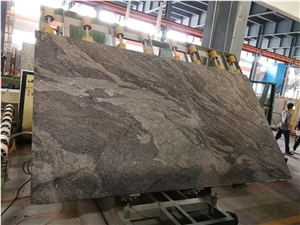
Atlantic Gray Granite

Granite

China

About

Item Details

Material Type:
Granite
Origin:
China (Changtai County, Zhangzhou, southern Fujian Province)
Recommended Usage:
kitchen and bathroom countertop, monuments, building stone, ornamental stone, stairs, interior, exterior wall and floor applications, mosaic, waterjet pattern, wall panels, table tops, window sills, balustrades, columns, wall and pool copings, pool pavers, sculptures, fireplaces, pavers, cobbles, curbstone
Additional Names:
Atlantic Grey Granite, Sesame Black Granite, New G654 Granite, China Black Pearl Granite, Changtai G654 Granite, Sesame Black G654 Granite, in China stone market:大西洋灰(Dàxīyáng Huī)
Finished Surface:
Polished,Flamed,Bush Hammered,Tumbled,Honed,Split,Machine Cut,Natural Surface,Sandblasted,Acid Washing,Combed,Leathered,Water Jet,Chiseled,Pickling

Testing

Water Absorption:
0.10 - 0.30% by weight
Density:
2750 - 2800 kg/m³
Flexural Strength:
12 - 15 MPa
Compressive Strength:
150 - 160 MPa

Description

Atlantic Gray Granite is a dense, muted gray-green granite quarried in China, featuring a consistent granular background with fine speckles of black, white, and pale gray. Its subdued coloration and uniform crystalline distribution create a classic, balanced, and highly consistent appearance. The stone is commercially associated with the dense, small-grained appearance of Sesame Black G654 Granite.

Texture & Structure:

The stone has a dense, compact, fine-grained crystalline structure with a uniform flecked and granular texture. Small black, white, and pale-gray mineral grains are evenly distributed throughout the surface, creating a relatively consistent pattern with subtle natural variation. The fine grain and compact structure contribute to its suitability for both interior and exterior applications.

Technical Characteristics:

  • Water Absorption: 0.10–0.30% by weight
  • Density: 2,750–2,800 kg/m³
  • Flexural Strength: 12–15 MPa
  • Compressive Strength: 150–160 MPa
  • Hardness: Approximately 6–7 Mohs
  • Abrasion Resistance: Good to excellent, typical of dense granite

Chemical & Mineralogical Composition:

  • Silicon Dioxide (SiO₂): Approximately 65–72% by weight
  • Aluminum Oxide (Al₂O₃): Approximately 14–17%
  • Iron Oxides (Fe₂O₃/FeO): Approximately 2–5%
  • Calcium Oxide (CaO): Approximately 1–4%
  • Sodium Oxide (Na₂O): Approximately 3–5%
  • Potassium Oxide (K₂O): Approximately 3–5%
  • Magnesium Oxide (MgO): Approximately 0.5–2.5%

Principal Minerals: Quartz, plagioclase feldspar, alkali feldspar, biotite, and minor accessory minerals. Exact mineral percentages and chemical composition may vary according to the quarry.

Usage:

Suitable for kitchen countertops, vanity tops, backsplashes, flooring, wall cladding, stairs, fireplace surrounds, tables, furniture, monuments, paving, kerbstones, façades, landscaping, and other interior and exterior architectural applications. Its low water absorption and dense structure make it suitable for many outdoor applications, subject to local climate and project requirements.

Maintenance:

Clean with a pH-neutral stone cleaner and a soft cloth or mop. Avoid strong acids, abrasive cleaners, and harsh chemicals. Wipe spills promptly, particularly on polished surfaces. Sealing is recommended for stain-prone applications such as countertops and vanity tops, with resealing performed as required according to usage and the sealer manufacturer's instructions.

FAQ

How should Atlantic Gray Granite be cleaned?

Cleaning Atlantic Gray Granite, like other natural stone surfaces, requires a gentle approach to preserve its appearance and integrity. Heres a step-by-step guide to cleaning it effectively: 1. **Gather Supplies:** - pH-neutral stone cleaner or mild dish soap - Soft cloths or microfiber towels - Warm water - Soft-bristled brush or sponge (optional, for tough spots) 2. **Daily Maintenance:** - Wipe the surface with a soft, damp cloth or microfiber towel to remove dust and debris. - Use a pH-neutral stone cleaner specifically designed for granite if needed. Avoid harsh chemicals, acidic cleaners (like vinegar or lemon), or abrasive cleaners, as they can damage the stone. 3. **Cleaning Routine:** - Fill a bucket or sink with warm water and add a few drops of mild dish soap or a stone cleaner. - Dip a soft cloth or sponge into the soapy water, wring out excess moisture, and gently wipe down the granite surface. - Rinse the cloth in clean water and wipe the surface again to remove any soap residue. 4. **Tough Spots or Stains:** - For stains or more stubborn spots, use a soft-bristled brush or sponge with the same cleaning solution. - Gently scrub the area, then rinse with clean water and wipe dry with a towel. 5. **Dry the Surface:** - Use a clean, dry microfiber towel to wipe down the granite, ensuring no water spots or streaks are left behind. 6. **Regular Sealing:** - Granite surfaces should be sealed periodically to maintain their resistance to stains and moisture. The frequency depends on the usage and type of sealant. Typically, sealing every 1-2 years is recommended. 7. **Preventive Tips:** - Use coasters, trivets, and cutting boards to protect the granite from heat and scratches. - Wipe up spills immediately to prevent staining, especially with oil, wine, or acidic substances. By following these steps, you can keep your Atlantic Gray Granite looking pristine and prolong its lifespan.

Can Atlantic Gray Granite withstand heat?

Atlantic Gray Granite is a natural stone that generally has good heat resistance, making it suitable for use in kitchens and other areas where it might be exposed to high temperatures. Granite is formed under extreme heat and pressure, which contributes to its ability to withstand hot temperatures. However, while granite can tolerate heat better than many other countertop materials, its still advisable to use trivets or hot pads to prevent direct contact with extremely hot pots and pans. This precaution helps to avoid any potential damage to the sealant or finish and maintains the stones appearance.

Does Atlantic Gray Granite floor tiles scratch easily?

Atlantic Gray Granite is generally considered a very durable and hard material, making it a popular choice for flooring. Granite is known for its resistance to scratching, which is one of the reasons it is widely used in high-traffic areas. However, no material is completely scratch-proof. Factors such as the finish of the tiles (polished vs. honed), the presence of sharp objects, and the level of foot traffic can all influence the likelihood of scratching. To minimize the risk of scratches, it is advisable to use protective pads under furniture, avoid dragging heavy objects across the floor, and regularly sweep to remove any abrasive particles. While it’s a resilient choice, taking appropriate care can enhance its longevity and maintain its appearance.

Is Atlantic Gray Granite suitable for high-traffic areas pavement?

Atlantic Gray Granite is generally a suitable choice for high-traffic areas due to its durability and strength. Granite is a natural stone known for its hard composition, resistance to wear, and ability to withstand significant pressure and foot traffic. These qualities make it an excellent material for pavements, especially in public areas with heavy use. Additionally, granites natural aesthetic appeal can enhance the visual appeal of outdoor spaces. It is also resistant to weathering, which is beneficial for outdoor applications. However, its essential to ensure that the granite surface is properly finished and sealed to prevent slipping, especially in wet conditions. Consulting with a professional to assess the specific needs of your project and ensure proper installation is always recommended.

Can acidic foods damage Atlantic Gray Granite kitchen countertop?

Yes, acidic foods can potentially damage Atlantic Gray Granite kitchen countertops. Granite is a natural stone that is porous to some extent, although less so than marble. Acidic substances like lemon juice, vinegar, tomato sauce, and wine can etch or dull the surface if they are left in contact with the granite for extended periods. While granite is more resistant to acids compared to softer stones like marble, its still a good practice to clean up spills promptly to prevent any potential damage. Additionally, sealing the countertop regularly can provide an extra layer of protection against acid etching and staining. Make sure to follow the manufacturers or installers recommendations regarding sealing frequency and maintenance to keep your granite countertops in good condition.

Does hydrogen peroxide remove Atlantic Gray Granite kitchen countertop stains?

Hydrogen peroxide can be used to remove certain types of stains from granite countertops, including Atlantic Gray Granite. However, you should proceed with caution to avoid damaging the stone. Here are some steps and considerations: 1. **Test First**: Always perform a patch test in an inconspicuous area to ensure hydrogen peroxide won’t discolor or damage the granite. 2. **Dilution**: Use a low concentration of hydrogen peroxide (3%) to minimize any potential reaction with the stones surface. 3. **Application**: Apply the hydrogen peroxide to the stained area using a soft cloth or sponge. Gently rub the area, being careful not to scratch the surface. 4. **Rinse**: After treating the stain, thoroughly rinse the area with water and dry it with a clean cloth. 5. **Sealant Check**: If your granite countertop is sealed, be cautious, as hydrogen peroxide might affect the sealant. You may need to reseal the countertop after cleaning, depending on the product used and the frequency of cleaning with such products. 6. **Re-evaluate**: If the stain persists or if you’re unsure about the process, consulting a professional who specializes in stone care might be beneficial. Remember, the effectiveness of hydrogen peroxide will depend on the type of stain and whether the granite has been properly sealed. For organic stains like coffee or wine, hydrogen peroxide is typically quite effective. For oil-based or other types of stains, you might need a different approach.

Products & Prices

Hot Granite

New Granite

Post Your Request

The request includes:
  1. surface finished, size
  2. quantity required