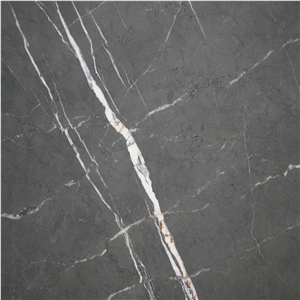
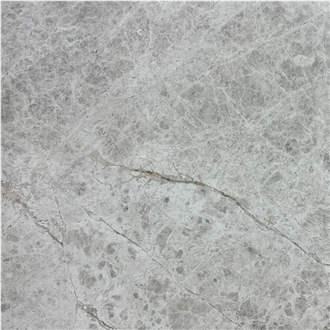
Atlas Grey Marble

About
Item Details
- Material Type:
- Marble
- Origin:
Turkey (Isparta) - Primary Color(s):
- Grey
- Recommended Usage:
- Kitchen and bathroom countertops, monuments, building stone, ornamental stone, building stone, stairs, interior wall and floor applications, mosaic, waterjet pattern, wall panels, table tops, columns, fireplace surround
- Additional Names:
- Isparta Grey Marble, Atlas Marble, Atlas Gray Marble, Atlanta Gray Marble, in China stone market: 亚特兰大灰(Yàtèlándà huī), Atlas Marble
- Finished Surface:
- Polished,Bush Hammered,Tumbled,Brushed,Honed,Split,Machine Cut,Natural Surface,Sandblasted,Acid Washing,Combed,Leathered,Water Jet,Filled,Chiseled,Pickling
Description
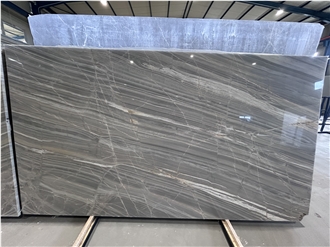
Atlas Grey Marble is a premium natural stone known for its dark ash-grey background, enriched with darker spots, speckles, and subtle tonal variations. Its surface is occasionally adorned with white quartz speckles and delicate tiny veins, creating a harmonious blend of texture and elegance. Quarried in the Isparta province of Turkey, this marble showcases a refined aesthetic that complements both modern and traditional design styles. Its durability and striking visual appeal make it ideal for applications such as flooring, wall cladding, countertops, and bespoke architectural features.
FAQ
Preserving the polished finish of Atlas Grey Marble requires regular maintenance and some specific care practices. Here are some tips to help maintain its shine and overall appearance:
1. **Regular Cleaning**: Clean the surface frequently to prevent dirt and dust from accumulating. Use a soft cloth or a mop with a mild, pH-neutral cleaner specifically formulated for marble. Avoid acidic or abrasive cleaners, as they can damage the marbles surface.
2. **Sealant Application**: Apply a high-quality marble sealant every 6 to 12 months, or as recommended by the manufacturer. Sealing helps protect the marble from stains and scratches.
3. **Immediate Spill Management**: Wipe up spills immediately to prevent stains. Marble is porous and can absorb liquids quickly, especially acidic substances like wine, juice, or vinegar.
4. **Use Coasters and Mats**: Place coasters under glasses and mats under items that might scratch the surface. This is especially important in areas like the kitchen or dining room.
5. **Avoid Heavy Impacts**: Be cautious with heavy objects that can chip or crack the marble. Protect the surface from heavy impacts and avoid placing hot pots or pans directly on the marble.
6. **Routine Polishing**: Consider polishing the marble occasionally to restore its shine. You can hire a professional or use a marble polish that is suitable for home use. Follow the instructions carefully to avoid damaging the surface.
7. **Dust Regularly**: Use a microfiber cloth to dust the marble often. Regular dusting prevents dirt buildup that can dull the surface over time.
8. **Temperature and Humidity Control**: Try to maintain a stable environment without extreme temperature or humidity changes. This helps in reducing the risk of the marble surface becoming dull over time.
9. **Professional Maintenance**: Have a professional inspect and maintain the marble if you notice any significant damage or deterioration in its finish. They have specialized tools and expertise to restore the marble’s appearance.
By following these steps, you can keep your Atlas Grey Marble looking polished and beautiful for years to come.
Can Atlas Grey Marble be used outdoors in cold climates?
Atlas Grey Marble can be used outdoors in cold climates, but there are some factors to consider. Marble is a natural stone, which makes it durable, but it is also porous and can be susceptible to damage from freeze-thaw cycles. In cold climates, water can seep into the pores of the marble and freeze, causing the stone to crack or spall.
If you plan to use Atlas Grey Marble outdoors in a cold climate, its important to:
1. Choose a high-quality marble with low porosity to minimize water absorption.
2. Apply a penetrating stone sealer to reduce the stones porosity and protect it from water penetration.
3. Ensure proper installation with adequate slope for drainage to prevent water pooling on the surface.
4. Perform regular maintenance to keep the surface clean and reseal as needed to maintain protection.
By taking these precautions, you can help ensure that Atlas Grey Marble performs well outdoors even in colder climates.
Is Atlas Grey Marble suitable for shower floors and wet-area flooring?
Atlas Grey Marble can be used for shower floors and wet-area flooring, but there are a few considerations to keep in mind. Marble is a natural stone, and while it is aesthetically pleasing, it has certain properties that need to be considered in such environments:
1. **Porosity:** Marble is a porous material, which means it can absorb water and stains if not properly sealed. For wet areas like shower floors, its crucial to use a high-quality sealant and reapply it regularly to maintain its water resistance.
2. **Slip Resistance:** The finish of the marble can affect its slip resistance. A polished finish might be slippery when wet, while a honed or textured finish might provide better traction, making it safer for shower floors.
3. **Maintenance:** Marble requires regular maintenance to keep its appearance and functionality. It can be prone to etching from acidic substances, which are common in bathrooms. Regular sealing and careful cleaning with pH-neutral products are necessary to prevent damage.
4. **Durability:** While marble is durable, it can be scratched or chipped more easily than some other materials. Consider the wear and tear it might experience in a high-traffic wet area.
If these factors align with your expectations and maintenance capabilities, Atlas Grey Marble can certainly create a luxurious and elegant look for shower floors and wet areas. However, if you prefer lower maintenance options, consider other materials like porcelain tiles that can mimic the appearance of marble with enhanced durability and slip resistance.
How does lighting affect the appearance of Atlas Grey Marble?
Lighting plays a significant role in the appearance of Atlas Grey Marble. This natural stone features varying tones of grey with veining that can range from subtle to pronounced. Here are some ways lighting can affect its appearance:
1. **Natural Light**: In bright natural light, the true color and veining of Atlas Grey Marble are most evident. The light can enhance the depth and richness of the grey tones and can bring out any lighter or darker swirls and patterns within the marble.
2. **Direct Artificial Light**: Under direct artificial lighting, such as spotlights or overhead lights, the surface of the marble can appear more reflective and glossy. This can enhance the contrast between the veins and the background color, making the patterns more prominent.
3. **Indirect or Diffuse Lighting**: Indirect lighting, such as ambient light from lamps or diffused ceiling lights, tends to soften the appearance of the marble. This lighting can make the colors appear more uniform and blend the veins with the background for a subtler appearance.
4. **Warm vs. Cool Lighting**: The color temperature of the lighting can also impact the appearance. Warm lighting (yellow/orange tones) can make the marble appear warmer and can emphasize any warmer tones in the stone. Cool lighting (blue/white tones) can enhance the grey hues and give the stone a cooler, more contemporary look.
5. **Shadows and Highlights**: The angle and position of the lighting can create shadows and highlights on the marble surface. This can accentuate the three-dimensional quality of the veining and give the surface a more dynamic appearance.
Understanding how lighting affects Atlas Grey Marble can help in planning its use in interiors, ensuring that the stones natural beauty is showcased to its full potential.
Can Atlas Grey Marble be used for a statement wall in commercial projects?
Yes, Atlas Grey Marble can be an excellent choice for a statement wall in commercial projects. Its sophisticated appearance and unique veining patterns can create a luxurious and elegant atmosphere, making it ideal for high-end spaces such as hotel lobbies, office reception areas, upscale retail stores, or chic restaurants. Additionally, marble is durable and can withstand heavy use, which is important in commercial settings. However, its important to consider factors such as installation costs, maintenance requirements, and the overall design aesthetic of the space when choosing marble for a statement wall.
Is Atlas Grey Marble suitable for minimalist interiors?
Yes, Atlas Grey Marble is suitable for minimalist interiors. Its subtle and elegant grey tones can provide a clean and sophisticated look that complements the minimalist design philosophy of simplicity and functionality. The natural veining patterns in the marble add a touch of visual interest without overwhelming the space, aligning well with minimalist aesthetics that focus on neutral color palettes and understated elegance. Whether used for flooring, countertops, or wall accents, Atlas Grey Marble can enhance the serene and uncluttered feel typical of minimalist interiors.
What is the coefficient of friction of Leathered Turkey's Atlas Marble tiles?
It is not possible to determine the coefficient of friction of a specific product like Leathered Turkeys Atlas Marble tiles without further information. The coefficient of friction depends on various factors such as the surface finish, texture, and other characteristics of the tile. It is recommended to refer to the manufacturers specifications or test reports to obtain the coefficient of friction for a specific product.
What is the average hardness of Turkey's Atlas Marble?
There is no specific information available regarding the average hardness of Turkeys Atlas Marble. The hardness of marble can vary depending on its specific mineral composition and geological formation. It is recommended to consult with a geologist or marble expert for accurate information about the hardness of Turkeys Atlas Marble.
Can Turkey's Atlas Marble be used in wall coverings?
Yes, Turkeys Atlas Marble can be used in wall coverings. Atlas Marble is known for its unique veining patterns and various shades of white and gray, which make it an attractive material for interior design applications. It is commonly used in wall cladding, accent walls, and other decorative wall coverings to add a luxurious and natural touch to the space. The marbles elegance and durability make it suitable for both residential and commercial projects.
Can Turkey's Atlas Marble be used exterior applications in cold climates?
Atlas Marble, also known as Turkish Atlas White Marble or simply Atlas White, is a type of white marble that is quarried in Turkey. While marble is generally not recommended for exterior use in cold climates, Atlas Marble can be used with certain precautions.
Marble is a natural stone that is susceptible to damage from freezing temperatures and moisture. When water penetrates the microscopic pores in the stone, it can freeze and expand, causing the marble to crack or spall. This is particularly a concern in climates with freeze-thaw cycles.
However, Atlas Marble is known for its relatively low water absorption rate and good frost resistance compared to other marbles. It has a water absorption rate below 0.5% and a compressive strength of around 90 MPa, which makes it more suitable for exterior use in cold climates.
To enhance the durability of Atlas Marble in cold climates, proper installation and maintenance are essential. Here are some recommendations:
1. Ensure proper installation: The marble should be properly sealed with a high-quality penetrating sealer to reduce water absorption and protect against frost damage. Use a reputable installer who has experience working with natural stone in exterior applications.
2. Regular maintenance: Regular cleaning and sealing of the marble surface should be performed to maintain its integrity. Remove any snow or ice promptly to prevent prolonged exposure to moisture.
3. Avoid de-icing salts: De-icing salts, such as rock salt or calcium chloride, can accelerate the deterioration of the marble. Use alternatives like sand or cat litter for traction, and avoid using de-icing salts directly on the marble.
4. Consider sheltered areas: If possible, consider using Atlas Marble in sheltered areas or covered outdoor spaces to minimize exposure to extreme weather conditions.
It is important to note that even with these precautions, there is still a risk of damage to exterior marble in cold climates. Therefore, it is recommended to consult with a stone professional or a specialist in your specific climate to evaluate the suitability of Atlas Marble for your exterior application.


14YR