Post Your Needs

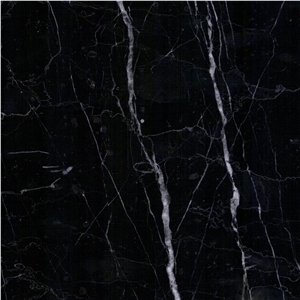
Bao Kang Grey Marble

Marble

China

About

Item Details

Material Type:
Marble
Origin:
China
Recommended Usage:
Kitchen and bathroom countertops, wash basins, building stone, ornamental stone, stairs, interior, exterior wall and floor applications, mosaic, waterjet pattern, wall panels, table tops, balustrades, columns, wall and pool copings, pool pavers, fireplaces
Additional Names:
Bao Kan Hui Marble, in China stone market:宝康灰(Bǎo Kāng Huī)
Finished Surface:
Polished,Bush Hammered,Tumbled,Brushed,Honed,Split,Machine Cut,Natural Surface,Sandblasted,Combed,Leathered,Water Jet,Filled,Chiseled,Pickling

Testing

Water Absorption:
0.20–0.35 % by weight
Density:
~2680–2720 Kg/m³
Flexural Strength:
10–15 MPa
Compressive Strength:
95–120 MPa

Description

Bao Kang Grey Marble is a striking natural stone from China, distinguished by its deep charcoal-gray background dramatically intersected by bold white and light gray veining. The powerful contrast between the dark base and lightning-like veins creates an expressive, elegant aesthetic, making this marble an excellent choice for statement applications in luxury residential and commercial interiors. Subtle hints of taupe and warm gray within some veins add depth and visual richness, ensuring each slab is unique.

Texture

  • Fine to medium crystalline texture
  • Smooth and compact structure
  • Delivers a refined, luxurious touch when polished and a soft, contemporary feel when honed or leathered

Pattern

  • High-contrast, irregular, sweeping veining
  • Veins resemble frost, crackled ice, or lightning across a stormy gray sky
  • Strong natural movement, ideal for bookmatching and feature surfaces

Physical & Mechanical Test Results (typical values)

  • Density: ~2.68–2.72 g/cm³
  • Water Absorption: 0.20–0.35 % by weight
  • Compressive Strength: 95–120 MPa
  • Flexural Strength: 10–15 MPa
  • Abrasion Resistance: Moderate, suitable for interior applications
  • Hardness Mohs Hardness: ~3–4

Chemical Composition (approx. % by weight)

  • Calcium Carbonate (CaCO₃): 93–96 %
  • Magnesium Carbonate (MgCO₃): 1–3 %
  • Silica (SiO₂): 1–2 %
  • Iron Oxides & Trace Minerals: <1 %

Mineral Composition (approx. % by weight)

  • Calcite: 90–95 %
  • Dolomite: 2–4 %
  • Quartz: 1–2 %
  • Accessory minerals (mica, iron oxides): <1 %

Applications / Usage

  • Interior wall cladding and feature walls
  • Flooring for low to medium traffic areas
  • Bathroom vanities, shower walls, and tub surrounds
  • Fireplace surrounds and decorative panels
  • Hotel lobbies, reception areas, luxury retail interiors
  • Table tops and bespoke furniture elements

(Recommended primarily for interior use due to marble’s natural sensitivity to acids and weathering.)

Maintenance

  • Seal before use and reseal periodically to reduce staining
  • Clean with pH-neutral stone cleaners only
  • Avoid acidic or abrasive substances
  • Wipe spills promptly, especially acidic liquids
  • Use coasters and protective pads on countertops and furniture

FAQ

Is Bao Kang Grey Marble durable enough for use as walkway pavers?

Bao Kang Grey Marble can be used for walkway pavers, but there are a few aspects to consider regarding its durability. Marble is generally a softer and more porous stone compared to other materials like granite or concrete pavers. This means it can be more susceptible to scratching, chipping, and staining, particularly in high-traffic areas. For outdoor use, its important to consider the local climate and weather conditions. Marble can be affected by freezing and thawing cycles, which might cause it to crack over time. Additionally, being a natural stone, it can become slippery when wet, which could be a safety concern. However, if you choose to use Bao Kang Grey Marble for walkway pavers, ensure that it is properly sealed to protect against moisture and staining, and consider a textured finish to improve its slip resistance. Regular maintenance will be necessary to keep it looking its best. For more robust and low-maintenance options, materials like granite or specially designed outdoor porcelain pavers might be more suitable.

Does the surface of Bao Kang Grey Marble scratch easily?

Bao Kang Grey Marble, like many other types of marble, is relatively soft compared to other natural stones such as granite. This means it is more prone to scratching and etching, especially in high-traffic areas or when exposed to abrasive materials. To minimize scratching, it is advisable to use protective measures such as placemats, coasters, and furniture pads. Regular maintenance, such as sealing the marble, can also help protect the surface and reduce the likelihood of scratches. If you are concerned about durability, you may want to consider other materials or use Bao Kang Grey Marble in areas where it will experience less wear and tear.

Can Bao Kang Grey Marble be used for pool coping?

Bao Kang Grey Marble can technically be used for pool coping, but there are several considerations to take into account. Marble is a natural stone that is more porous and softer than other stones like granite or travertine, making it more susceptible to water absorption, staining, and erosion from pool chemicals. If used outdoors and exposed to the elements, it may require robust sealing and regular maintenance to prevent damage over time. Additionally, its surface can become slippery when wet, which can be a safety concern around pools. If you decide to use Bao Kang Grey Marble for pool coping, ensure that it is properly sealed and maintained to maximize its durability and aesthetic longevity. Consulting with a stone professional and considering the local climate and pool usage patterns can also help in making an informed decision.

Can 18mm thick Bao Kang Grey Marble be used as a kitchen countertop?

Using 18mm thick Bao Kang Grey Marble as a kitchen countertop is possible, but there are several factors to consider before making a decision. Marble is known for its aesthetic appeal, but as a natural stone, it has both advantages and drawbacks for use in a kitchen setting. **Pros:** 1. **Aesthetic Appeal**: Bao Kang Grey Marble offers a luxurious and elegant appearance with its unique veining and color variations. 2. **Heat Resistance**: Marble generally handles heat well, making it suitable for a kitchen environment. **Cons:** 1. **Durability**: At 18mm thickness, the marble may be more susceptible to cracking or damage compared to thicker options like 20mm or 30mm. 2. **Porosity**: Marble is a porous material, which makes it prone to staining and etching from acidic substances like lemon juice or vinegar. 3. **Maintenance**: Marble requires regular sealing and careful maintenance to protect it from damage and staining. 4. **Susceptible to Scratches**: Marble is softer than materials like granite, which means it can scratch more easily. **Considerations**: - **Support**: An 18mm thick slab will need proper support and installation to prevent damage. - **Sealing**: Regular sealing is essential to protect it from stains and etching. - **Usage Habits**: Consider how you use your kitchen; it may not be the best choice if you frequently cook with acidic substances or are concerned about maintenance. In summary, while 18mm Bao Kang Grey Marble can be used as a kitchen countertop, you should weigh the aesthetic benefits against the practical drawbacks, especially its thickness, maintenance needs, and susceptibility to damage. It is advisable to consult with a professional to ensure it meets your needs and is properly installed.

How can I maintain Bao Kang Grey Marble flooring?

Maintaining Bao Kang Grey Marble flooring involves several steps to ensure it retains its beauty and durability. Here are some tips for caring for and maintaining this type of marble flooring: 1. **Regular Cleaning:** - **Dust Mop:** Use a soft, dry dust mop or a microfiber mop daily to remove dust and debris. Avoid using a vacuum cleaner with a beater bar, as it can scratch the surface. - **Wet Mop:** Once a week, use a damp mop with a pH-neutral cleaner specifically designed for marble. Avoid acidic or alkaline cleaners, as they can damage the marble. 2. **Spill Management:** - Clean spills immediately to prevent staining. Use a soft, damp cloth or sponge and blot the spill instead of wiping to avoid spreading it. - Avoid using harsh chemicals or cleaners on spills, as they may etch the marble surface. 3. **Sealing:** - Bao Kang Grey Marble is porous and should be sealed to protect it from staining. Apply a quality marble sealant once a year or as recommended by the manufacturer. Follow the sealant instructions carefully for the best results. 4. **Prevent Scratches:** - Place mats or rugs at entryways to catch dirt and grit from shoes. - Use protective pads under furniture legs to prevent scratches. - Avoid dragging heavy items across the marble floor. 5. **Polishing:** - Over time, marble can lose its shine due to foot traffic and wear. Consider having the floor professionally polished every few years to restore its original luster. 6. **Avoid Direct Sunlight:** - Prolonged exposure to direct sunlight can cause discoloration. Use curtains or blinds to shield the marble from excessive sunlight when necessary. 7. **Stain Removal:** - For persistent stains, use a poultice made from a commercial marble cleaner specifically formulated for stain removal. Follow the product directions closely to ensure effective stain lifting. 8. **Professional Maintenance:** - Consider professional cleaning and maintenance periodically. Specialists can perform deep cleaning and expert restoration services to keep your marble looking its best. By following these care and maintenance steps, you can preserve the elegance and durability of Bao Kang Grey Marble flooring while enjoying its natural beauty for many years.

Is Bao Kang Grey Marble a suitable choice for facades in cold winter climates?

Bao Kang Grey Marble, like many natural stones, can be used for facades, but its suitability for cold winter climates depends on several factors. Here are some considerations: 1. **Porosity and Absorption**: Natural stones can be porous, allowing them to absorb water. In cold climates, water in the stone can freeze and expand, potentially causing the stone to crack or spall. Its essential to check the water absorption rates of Bao Kang Grey Marble and consider sealing the stone to reduce water penetration. 2. **Durability**: Marble is generally softer and more prone to weathering than granite. For marble to be suitable in cold climates, it should have a good level of density and strength. You should verify Bao Kang Grey Marbles physical properties and test its frost resistance. 3. **Maintenance**: Marble may require more maintenance than other stones, such as regular sealing and cleaning to prevent staining and weathering. In harsh climates, this maintenance needs may be more frequent. 4. **Thermal Expansion and Contraction**: Temperature fluctuations can cause materials to expand and contract. Ensure that the installation method allows for this movement to prevent cracking or detachment. 5. **Finish**: The surface finish can affect how the stone weathers. A polished finish may become slippery when wet, while a honed or textured finish can provide better traction and weathering performance. 6. **Local Expertise**: Consult with local architects or stone suppliers who have experience with Bao Kang Grey Marble in similar climates. They might provide insights specific to your region. Overall, while Bao Kang Grey Marble can be used for facades in cold climates, careful consideration of the factors above and perhaps modifications in installation and maintenance practices will help in ensuring its longevity and performance.

Products & Prices

Hot Marble

New Marble

Post Your Request

The request includes:
  1. surface finished, size
  2. quantity required