Post Your Needs

Basalt Aramus

Grey - Basalt

Armenia

About

Item Details

Material Type:
Basalt
Origin:
Armenia (Abovian, 15km from the capital Yerevan)
Primary Color(s):
Grey
Recommended Usage:
kitchen and bathroom countertops, monuments, building stone, ornamental stone, stairs, interior, exterior wall and floor applications, mosaic, waterjet pattern, wall panels, table tops, window sills, balustrades, columns, wall and pool copings, pool pavers, sculptures, fireplaces, pavers, cobbles, curbstone
Additional Names:
Aramus Basalt, Armenia Gray Basalt, Armenia Grey Lavastone, Yerevan Basalt, Basalt Aramus
Finished Surface:
Polished,Flamed,Bush Hammered,Tumbled,Brushed,Honed,Split,Machine Cut,Natural Surface,Sandblasted,Acid Washing,Combed,Leathered,Water Jet,Filled,Chiseled,Pickling

Testing

Water Absorption:
0.25 - 0.35 %
Density:
2850 - 3000 kg/m³
Flexural Strength:
12 - 14 MPa
Compressive Strength:
170 - 190 MPa
Stone texture:
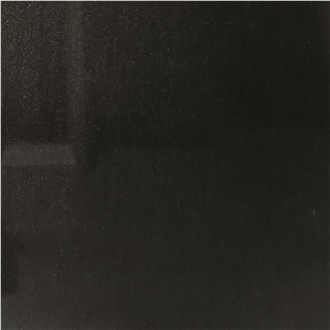
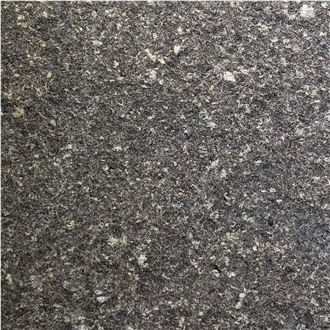
a fine-grained volcanic stone characterized by a predominantly grey to dark grey color, sometimes shifting toward black or dark brown depending on mineral composition and quarry variation. It presents a generally uniform and consistent appearance, making it highly suitable for large-scale architectural applications, while subtle tonal variations and occasional weathering effects may introduce slight depth and natural character.

Description

Basalt Aramus is a fine-grained volcanic stone famously quarried in Abovian, Armenia, which is approximately 15 km from the capital city, Yerevan. It's predominantly known for its grey to dark grey color, but this can vary to black or dark brown depending on its mineral composition and the particular quarry section. Its uniform appearance makes it ideal for architectural projects, while its natural tonal variations and weathering effects add slight depth and character.

Physical and Mechanical Properties

  • Water Absorption: Typically low (around 0.25% - 0.35%)
  • Density: Approximately 2.85 - 3.0 g/cm³
  • Flexural Strength: Roughly 12 - 14 MPa
  • Compressive Strength: Generally, 170 - 190 MPa
  • Hardness: Typically 6 - 7 on the Mohs scale
  • Porosity: Low, usually less than 1%
  • Slip Resistance: Moderate to high, depending on surface finish

Chemical and Mineral Compositions (% by weight)

  • Silicon Dioxide (SiO2): 45% - 52%
  • Aluminum Oxide (Al2O3): 12% - 17%
  • Iron Oxide (Fe2O3): 8% - 12%
  • Calcium Oxide (CaO): 6% - 8%
  • Magnesium Oxide (MgO): 5% - 7%
  • Sodium Oxide (Na2O) and Potassium Oxide (K2O): 3% - 5%
  • Trace elements: Include Titanium Dioxide (TiO2), Manganese Oxide (MnO), etc.

Usage

  • Architectural Cladding: Owing to its uniformity, it is suitable for large facades and decorative cladding.
  • Flooring and Paving: Used extensively in areas that require durable, slip-resistant surfaces.
  • Monuments and Sculpture: Its workability allows for intricate designs.
  • Interior Applications: Such as countertops, backsplashes, and decorative furniture elements.

Maintenance

  • Routine cleaning with neutral pH cleaners.
  • Periodic sealing can enhance stain resistance, especially in high-traffic areas.
  • Avoid using acidic or abrasive cleaners to prevent surface damage.

Common Surface Finish Options

  • Polished: Offers a glossy, reflective surface ideal for interior applications.
  • Honed: Provides a smooth, matte finish that is less reflective.
  • Bush-Hammered: Textured for increased slip resistance, suitable for outdoor paving.
  • Flamed: Rough surface created by exposing to high temperatures, enhancing slip resistance and natural color.

Basalt Aramus is a versatile material, perfectly balancing aesthetics with structural reliability, making it a popular choice for various construction and design purposes. Its ease of maintenance and variety of finishes ensure its suitability for a wide range of both interior and exterior applications.

FAQ

Can Armenia's Basalt Aramus be used in a kitchen?

Yes, Armenias Basalt Aramus can be used in a kitchen. Basalt is a dense and durable volcanic rock that is commonly used in countertops and other kitchen surfaces. It has a similar appearance to granite, with its characteristic black or dark gray color. Basalt is known for its heat resistance, scratch resistance, and low porosity, making it suitable for use in kitchens where it may come into contact with hot pots and pans, sharp knives, and various spills. Additionally, Basalt Aramuss unique texture and natural patterns can add a touch of elegance to any kitchen design.

Can Armenia's Basalt Aramus be used exterior applications in very dusty climates?

Yes, Armenias Basalt Aramus can be used for exterior applications in very dusty climates. Basalt is a volcanic rock and is known for its durability and resistance to weathering and dust. The Basalt Aramus can withstand dusty conditions, making it suitable for use in such climates. However, proper maintenance and cleaning may be required to keep the surface clean and free of dust buildup.

Can Armenia's Basalt Aramus be used in floor coverings?

Yes, Armenias Basalt Aramus can be used in floor coverings. Basalt is a volcanic rock known for its durable and heat-resistant qualities, making it a suitable material for flooring applications. It can be cut into tiles or used as a composite material to create various types of floor coverings, such as basalt floor tiles or basalt composite flooring. These can be used in both residential and commercial settings, providing a natural and aesthetically pleasing flooring option.

What is the coefficient of friction of Chiseled Armenia's Basalt Aramus tiles?

Without specific information about the specific Basalt Aramus tiles produced by Chiseled Armenia, it is not possible to provide an accurate value for the coefficient of friction. The coefficient of friction varies depending on factors such as the surface finish, texture, and other specifications of the tiles. To determine the coefficient of friction for a specific product, it is best to contact Chiseled Armenia directly or refer to the technical documentation provided by the manufacturer.

Are there color variations of Armenia's Basalt Aramus?

There are several color variations of Armenias Basalt Aramus, including black, grey, and dark brown. These variations occur naturally due to differences in the mineral composition and weathering of the basalt stone. Some manufacturers also offer artificially colored Basalt Aramus stones, which can range from light grey to beige.

How thick is Armenia's Basalt Aramus slabs?

I do not have access to the specific information about the thickness of Armenias Basalt Aramus slabs. However, the thickness of Basalt Aramus slabs can vary depending on the specific product and manufacturer. It is recommended to consult with a local supplier or manufacturer for more detailed information on the thickness of their Basalt Aramus slabs.

Is Armenia's Basalt Aramus an expensive stone?

I dont have access to current market prices, but Basalt Aramus is generally considered to be a moderately priced stone compared to some other types of natural stones such as marble or granite. The price may vary depending on factors such as the quality, availability, and demand.

Products & Prices

Hot Grey Basalt

New Basalt

Post Your Request

The request includes:
  1. surface finished, size
  2. quantity required