Post Your Needs

Beit Fajjar Limestone

White - Limestone

Palestine

About

Item Details

Material Type:
Limestone
Origin:
Palestine (Beit Fajjar, Bethlehem, central West Bank)
Primary Color(s):
White
Recommended Usage:
Kitchen and bathroom countertops, wash basins, building stone, ornamental stone, stairs, interior, exterior wall and floor applications, mosaic, waterjet pattern, wall panels, table tops, balustrades, columns, wall and pool copings, pool pavers, sculptures, fireplaces
Additional Names:
Beit Fajar Stone, Jerusalem Stone, Bethlehem White Limestone, Jerusalem White Limestone, Beit Fajjar
Finished Surface:
Polished,Bush Hammered,Tumbled,Brushed,Honed,Split,Machine Cut,Natural Surface,Sandblasted,Combed,Leathered,Water Jet,Filled,Chiseled,Pickling

Testing

Water Absorption:
0.90 % by weight
Density:
2600-2620 kg/m³
Flexural Strength:
6.78 / 7.2 MPa, dry
Compressive Strength:
116.2 / 82.8 MPa, dry/wet

Description

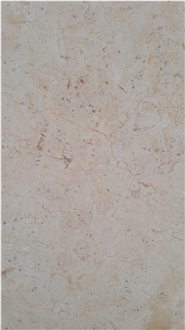
Beit Fajjar Limestone, known for its warm bone‑white base with creamy golden‑beige shades, light golden beige veins, and scattered shelly fossil patterns. Quarried in the Beit Fajjar area near Bethlehem in the central West Bank’s Jerusalem/Holy Land region, this stone is prized for both its aesthetic and technical qualities.

Appearance, Texture & Pattern

Color Palette: Warm bone white to light creamy golden beige base with soft light golden beige veins. The stone is enriched with shelly fossil segments, providing a naturally decorative sedimentary look.

Texture: Fine to medium crystalline grain, with a smooth yet tactile surface, characteristic of well-formed limestone.

Pattern: Subtle, irregular fossil scatter along with occasional linear veining; visually consistent but inherently organic.

Hardness & Composition Hardness:

Approximately 3–4 on the Mohs scale, typical of calcitic limestone.

Mineral Makeup:

  • CaCO₃ (Calcite): ~95–98% by weight
  • Minor components include MgCO₃ (<1%), SiO₂ (silica), Fe₂O₃ and Al₂O₃ in trace amounts
  • These contribute to its polished cream tone and mild fossil coloration.

Usage & Applications

Beit Fajjar Limestone is highly popular in the region for both interior and exterior applications:

Exterior facade cladding (thanks to low water absorption and weather resistance)

Interior wall & floor tiles

Countertops and vanities

Monuments, fountains, and landscape stone elements

Mosaics and decorative features

Its moderate hardness and elegant patterns make it ideal for prestigious residential and commercial architecture, especially in Mediterranean or Middle Eastern climates

Cut Sizes & Surface Finishes

Standard tile formats: 30×30 cm, 60×30 cm, 60×60 cm, 80×40 cm, etc.

Slab thicknesses: Typically 2 cm and 3 cm, and custom sizes up to large panels on request.

Finish options include:

  • Polished
  • Honed
  • Sawn Cut
  • Sanded
  • Rock‑faced
  • Sandblasted
  • Bush‑hammered
  • Tumbled

These textures offer options for both smooth elegance and rough, tactile facades stonecontact.com.

Maintenance & Durability

Sealing is advised, especially for wet areas or exterior use, to guard against staining and moisture absorption.

Cleaning: Use pH-neutral stone cleaners; avoid acidic agents like vinegar or citrus.

Durability: Suitable for hot, dry Mediterranean climates. In high-rainfall areas, a high-quality sealant is recommended to mitigate risks of water penetration and salt efflorescence stonecontact.com.

Summary Table

  • Origin: Beit Fajjar area, Bethlehem, West Bank, Palestine
  • Color/Veining: Bone white with creamy golden beige shades and veins
  • Texture: Fine to medium-grained limestone
  • Water Absorption: ~0.9–1.0%
  • Density: ~2,600–2,620 kg/m³
  • Compressive Strength: ~76–126 MPa (dry), ~59–87 MPa (wet)
  • Flexural Strength: ~6.8–7.2 MPa
  • Hardness: ~3–4 (Mohs)
  • Main Mineral: Calcite (CaCO₃) ~95–98%
  • Applications: Exterior/interior cladding, flooring, monuments
  • Finish Options: Polished, honed, rock-faced, sandblasted, etc.
  • Maintenance: Seal and clean with pH-neutral care

FAQ

Can Palestine's Beit Fajjar Limestone be used in a kitchen?

Yes, Palestines Beit Fajjar Limestone can be used in a kitchen. Limestone is a durable and versatile natural stone that is commonly used in kitchen countertops and backsplashes. It has a unique and attractive appearance with various color options, including the beige and brown tones found in Beit Fajjar Limestone. However, it is important to note that limestone is a porous material and may require sealing to protect it from stains and water damage. Regular maintenance and cleaning is also recommended to keep the limestone in good condition.

Can Palestine's Beit Fajjar Limestone be used exterior applications in hot climates?

Yes, Palestines Beit Fajjar Limestone can be used in exterior applications in hot climates. Limestone is a commonly used natural stone in construction and has good heat resistance properties. It is durable and can withstand high temperatures without getting damaged or deteriorating. Additionally, limestone has good weather resistance, making it suitable for outdoor applications in various climates. However, it is always recommended to consult with a professional architect or designer who can provide specific advice based on your location and intended use.

What is the coefficient of friction of Water Jet Cut Palestine's Beit Fajjar Limestone tiles?

The coefficient of friction of Water Jet Cut Palestines Beit Fajjar Limestone tiles is not provided in the question. The coefficient of friction can vary depending on various factors such as surface texture, moisture content, and other environmental conditions. It would be best to contact the manufacturer or supplier of these tiles to obtain the specific coefficient of friction for the product.

Can Palestine's Beit Fajjar Limestone be used in landscaping?

Yes, Palestines Beit Fajjar Limestone can be used in landscaping for various purposes such as paving stones, retaining walls, garden walls, and decorative elements like fountains, statues, and planters. This limestone is durable, weather-resistant, and has a unique color and texture that adds a natural and rustic charm to any outdoor space. Additionally, using locally sourced materials like Beit Fajjar limestone supports the local economy and reduces environmental impact associated with transportation and processing of materials from other regions.

Are there color variations of Palestine's Beit Fajjar Limestone?

Yes, there can be slight color variations in Palestines Beit Fajjar Limestone. The stone is generally beige or light brown, but variations in tone and hue can occur due to differences in the sediment and mineral content of the rock formation. These variations can result in colors ranging from cream to light gray to caramel. However, the color variations are usually minimal and do not affect the overall appearance or quality of the stone.

What grade is Palestine's Beit Fajjar Limestone?

I dont have access to the specific information you are referring to. However, limestone is a sedimentary rock that is graded based on its hardness using the Mohs scale. The hardness of limestone ranges from 3 to 4 on the Mohs scale, depending on its composition.

Is Palestine's Beit Fajjar Limestone an expensive stone?

I dont have access to real-time pricing information for building materials. However, limestone is generally considered a high-end building material, and natural stone prices can vary widely based on a range of factors, such as quality, availability, and market demand. Its best to consult with local suppliers and manufacturers for accurate pricing information.

Products & Prices

Hot White Limestone

New Limestone

Post Your Request

The request includes:
  1. surface finished, size
  2. quantity required