Post Your Needs

Black Ice Granite

Black - Granite

Ukraine

About

Item Details

Material Type:
Granite
Origin:
Ukraine (Neverovskiy, Zhitomir)
Primary Color(s):
Black
Recommended Usage:
Kitchen and bathroom countertops, monuments, building stone, ornamental stone, stairs, interior, exterior wall and floor applications, mosaic, waterjet pattern, balustrades, fireplaces surround, columns, wall panels, table tops
Additional Names:
Neverovskiy Black Granite, Neverovskiy Granite, Black Ice Ukraine Granite, Black Ice Neverovskiy Granite, Black Ice Labradorite Granite, Black Labradorite Granite, Ice Black Granite, L7 Black Ice Granite, Black Neverovskiy Granite, Black Ice Granite
Finished Surface:
Polished,Flamed,Bush Hammered,Tumbled,Brushed,Honed,Split,Machine Cut,Natural Surface,Sandblasted,Acid Washing,Combed,Leathered,Water Jet,Filled,Chiseled,Pickling

Testing

Water Absorption:
0.06 - 0.26%
Density:
2780-2834 kg/m3
Compressive Strength:
167-216 MPa

Description

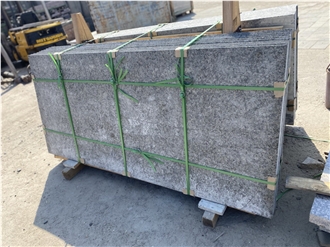
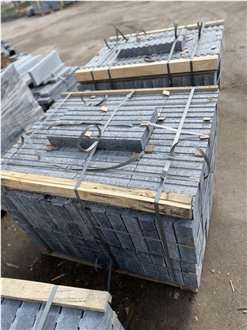
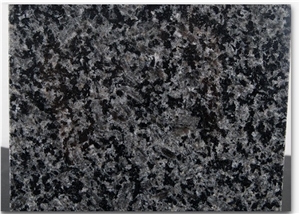
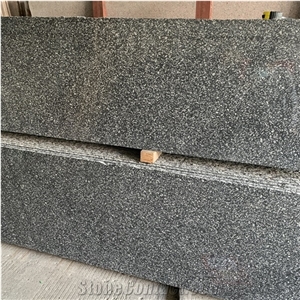
Black Ice Granite, also known as Black Ice Labradorite Granite or Black Neverovskiy Granite, is a mesmerizing natural stone quarried in Ukraine. It is a unique granite variety that features a black-blue labradorite stone with prominent blue flakes scattered throughout its surface. The combination of the dark background and the iridescent blue flakes creates an enchanting and captivating appearance, reminiscent of the glistening surface of black ice.

Key characteristics of Black Ice Granite:

Color:

The dominant color of Black Ice Granite is a deep black, providing a sense of elegance and sophistication. The black background serves as a perfect contrast to the striking blue flakes.

Labradorite Stone:

One of the most remarkable features of this granite is the presence of labradorite, a type of feldspar mineral known for its iridescence and play of colors. The labradorite in Black Ice Granite displays blue iridescent flashes, which add a dynamic and magical quality to the stone.

Blue Flakes:

Scattered across the black surface, you'll find prominent blue flakes that sparkle and shine when exposed to light. These blue flakes create a captivating visual effect, resembling the reflections of light on icy surfaces.

Origin:

Black Ice Granite is quarried in Ukraine, a country known for its rich geological deposits and diverse range of natural stones.

Polishing:

To enhance the beauty of the stone and bring out the iridescent effect, Black Ice Granite is often polished to a smooth and glossy finish.

Applications:

Owing to its unique appearance and durability, Black Ice Granite is used for a variety of interior and exterior applications. It is commonly utilized for countertops, vanity tops, wall cladding, flooring, and decorative accents, where its enchanting iridescence can be showcased.

Rarity:

The combination of black background and blue labradorite with iridescent flakes makes Black Ice Granite a rare and sought-after material, adding to its allure and desirability.

Black Ice Granite's iridescent quality and striking coloration make it a favored choice among designers and architects seeking a stone that stands out and creates a sense of luxury in their projects. If considering this granite for your design, it's crucial to work with reputable suppliers who can provide authentic Black Ice Granite quarried in Ukraine to ensure you receive a stone of exceptional quality and beauty.

Mineralogy composition, % 

Pyroxene: 1-9
Plagioclase: 87-97
Olivine: 1-5
Ore materials: 1-3
Biotite: 1-2
Other: 1-2

FAQ

What should you not use for cleaning Black Ice Granite countertops?

It is important to avoid using harsh cleaning agents or abrasive materials on Black Ice Granite countertops, as they can cause damage to the surface. Some cleaning products to avoid include bleach, ammonia, vinegar, lemon juice, and abrasive scrubbing pads or powders. These can potentially scratch or dull the finish of the granite. It is recommended to use a mild, non-acidic, non-abrasive cleanser specifically designed for granite countertops.

What is the difference between granite and labradorite?

Granite and labradorite are both types of rocks, but they have some key differences in terms of their composition, appearance, and properties. 1. Composition: - Granite is an igneous rock primarily made up of quartz, feldspar, and mica, along with some other minerals. Its composition determines its color and pattern variations. - Labradorite is a variety of feldspar, which is a group of minerals. It belongs to the plagioclase series of feldspar and usually contains a high amount of sodium and calcium. 2. Appearance: - Granite typically has a granular texture with visible grains of different minerals. It comes in a wide range of colors, including gray, pink, red, black, white, and more. The colors and patterns of granite depend on the minerals present. - Labradorite is known for its distinctive iridescence and Schiller effect, which is called labradorescence. It exhibits a play of colors ranging from vibrant blues, greens, yellows, purples, and sometimes even gold. This optical effect is due to the presence of lamellar intergrowths within the feldspar. 3. Properties: - Granite is a hard and durable rock, making it suitable for various applications like countertops, flooring, and building materials. It has good heat resistance and is relatively easy to maintain. - Labradorite is also a relatively hard mineral but can be less durable than granite in certain applications due to the cleavage planes within feldspar minerals. It is used more often in jewelry or decorative items rather than as a structural material. In summary, while granite is a type of igneous rock with a wide array of colors and patterns, labradorite is a variety of feldspar known for its iridescence and play of colors. Granite is commonly used in construction, while labradorite is more favored for decorative uses.

What is labradorite granite?

Labradorite granite is a type of granite that contains labradorite, a mineral known for its striking iridescent color play. Labradorite has a unique quality called labradorescence, which is the result of light interacting with microscopic layers within the stone. This phenomenon causes the stone to exhibit a range of vibrant colors, including blues, greens, yellows, and oranges, as the stone is moved or viewed from different angles. Labradorite granite typically features a dark base color with these iridescent flashes, creating a visually captivating and unique appearance.

What is the physical properties of Black Ice Granite?

Black Ice Granite is known for its unique and beautiful appearance. It is characterized by a dark black background with patches of white and silver mineral deposits scattered throughout the surface. Some of the key physical properties of Black Ice Granite are: 1. Color: It has a predominant black color, which gives it a bold and dramatic appearance. The white and silver mineral deposits add a contrast and enhance the overall aesthetic appeal. 2. Texture: Black Ice Granite has a medium to coarse grain texture, which gives it a distinctive look. The surface can be smooth or slightly rough, depending on the finishing techniques applied. 3. Hardness: It is a highly durable and hard material, with a rating of 6-7 on the Mohs scale. This makes it resistant to scratches, making it suitable for various applications. 4. Density: It has a high density, which contributes to its strength and longevity. The density of Black Ice Granite ranges from 2.6 to 2.7 g/cm3. 5. Polishing: Black Ice Granite takes a high polish exceptionally well, which enhances its lustrous appearance and makes it highly reflective. 6. Absorption: It is a low-porosity stone, which means it has low water absorption. This makes it resistant to staining and easy to clean. 7. Heat Resistance: Black Ice Granite is highly heat-resistant, making it a suitable choice for kitchen countertop applications. However, it is always recommended to use trivets or hot pads to protect the surface from direct heat exposure. 8. Strength: Black Ice Granite is known for its strength and durability, making it suitable for a wide range of applications, including countertops, flooring, wall cladding, and outdoor landscaping. Overall, the physical properties of Black Ice Granite make it a popular choice for both residential and commercial projects due to its attractive appearance, durability, and ease of maintenance.

Can Ukraine's Black Ice Granite be used exterior applications in cold climates?

Yes, Ukraines Black Ice Granite can be used for exterior applications in cold climates. Granite is known for its durability and resistance to extreme weather conditions. It can withstand freezing temperatures, snow, and ice without being damaged or deteriorating. However, it is important to ensure that the granite is properly sealed to prevent moisture penetration and potential damage from freeze-thaw cycles. Proper installation and maintenance are key factors in ensuring the longevity and performance of the granite in cold climates.

What is the coefficient of friction of Water Jet Cut Ukraine's Black Ice Granite tiles?

The coefficient of friction of Water Jet Cut Ukraines Black Ice Granite tiles would depend on the specific surface finish and condition of the tiles. However, granite typically has a coefficient of friction of around 0.6 to 0.8, which provides good slip resistance when dry. It is important to note that the coefficient of friction may vary depending on factors such as moisture, surface texture, and any sealants or treatments applied to the tiles.

Can Ukraine's Black Ice Granite be used in landscaping?

Yes, Ukraines Black Ice Granite can be used in landscaping. This type of granite is durable and has a unique black color with subtle white veining, which makes it visually appealing for various outdoor applications. It can be used for pathways, steps, patios, walls, and other landscaping features. The black color can create a sleek and modern look, while the granites durability ensures that it can withstand outdoor elements and foot traffic. Additionally, the natural stone is resistant to extreme temperatures, making it suitable for landscaping in various climates.

Are there color variations of Ukraine's Black Ice Granite?

Ukraines Black Ice Granite typically has variations in pattern and veining rather than color variations. The base color of this granite is typically black, but it can have grey, white, or silver veins running through it, which give it a unique and attractive appearance. These natural variations in pattern and veining are what make each slab of Black Ice Granite unique.

Products & Prices

View More

Hot Black Granite

New Granite

Post Your Request

The request includes:
  1. surface finished, size
  2. quantity required