Post Your Needs

Breccia Viola Marble

Lilac - Marble

Italy

About

Item Details

Material Type:
Marble
Origin:
Italy
Primary Color(s):
Lilac
Recommended Usage:
Kitchen and bathroom countertops, monuments, building stone, ornamental stone, stairs, interior, exterior wall and floor applications, mosaic, waterjet pattern, wall panels, table tops, window sills, wall and pool copings
Additional Names:
Marmi Breccia Viola, Breccia Violet Marble, Calacatta Viola Marble, Calacatta Violet Marble, Breccia Viola Marble
Finished Surface:
Polished,Bush Hammered,Tumbled,Brushed,Honed,Split,Machine Cut,Natural Surface,Sandblasted,Combed,Leathered,Water Jet,Filled,Chiseled,Pickling

Description

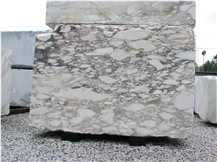
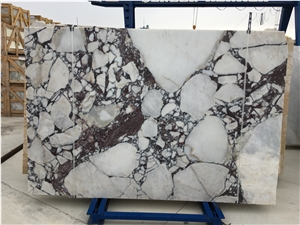
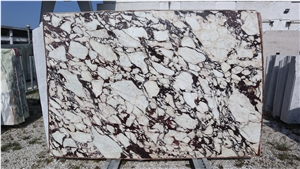
Breccia Viola Marble is a distinctive and elegant natural stone known for its unique characteristics. Here's a description of Breccia Viola Marble:

Color: Breccia Viola Marble primarily features a uniform ice white color as its base. What sets it apart are the small but captivating purple hues that add a touch of luxury and uniqueness to the stone. These purple hues are typically scattered throughout the white background, creating a striking contrast.

Veins: One of the most striking features of Breccia Viola Marble is its intricate veining. It showcases deep purple, brown, and white crystalline veins that traverse the surface in a graceful and artistic manner. These veins can be both bold and subtle, adding depth and character to the marble.

Origin: Breccia Viola Marble is quarried in Italy, known for its rich tradition of producing high-quality marble. The Italian craftsmanship and expertise in working with natural stone are evident in the beauty of this marble variety.

Texture: The texture of Breccia Viola Marble is smooth and polished, enhancing its luxurious appearance. When used as a countertop, flooring, or wall cladding, its polished surface reflects light, giving the stone an exquisite and radiant quality.

Applications: Breccia Viola Marble is a favored choice for a wide range of interior design applications. It is often used for kitchen countertops, bathroom vanity tops, flooring, wall coverings, and decorative accents. Its regal appearance makes it a popular choice for projects where an air of sophistication is desired.

Versatility: While Breccia Viola Marble is commonly used in more traditional and classic interior designs, its versatility allows it to complement a variety of styles. Whether used in a modern, minimalist setting or a more ornate and traditional space, this marble adds a touch of opulence and visual interest.

In summary, Breccia Viola Marble from Italy is known for its white base with scattered purple hues and captivating crystalline veins. It is a versatile and luxurious natural stone choice for interior design projects, bringing an element of elegance and sophistication to any space.

FAQ

How can I restore the appearance of Breccia Viola Marble floors to make them look new again?

Restoring the appearance of Breccia Viola marble floors requires a methodical approach to cleaning and maintenance. Here’s a guide to help you bring back their original beauty: 1. **Initial Cleaning:** - **Sweep and Dust:** Start by sweeping the floor with a soft-bristled broom or use a dust mop to remove loose dirt and debris. - **Mopping:** Use a pH-neutral cleaner specifically designed for marble. Avoid using acidic or abrasive cleaners, as these can damage the marble. Mix the cleaner with water according to the instructions, and mop the floor with a soft mop. Avoid soaking the floor; instead, ensure its slightly damp. 2. **Stain Removal:** - **Identify Stains:** Check for any stains or discolorations. Different stains may require different treatments. - **Poultice:** For oil-based stains, make a poultice with baking soda and water or a commercial marble poultice product. Apply it to the stain, cover it with plastic wrap, and let it sit for 24-48 hours before wiping off. 3. **Polishing:** - **Polishing Powder:** Use a marble polishing powder to remove minor scratches and enhance shine. Follow the instructions on the product, usually involving dampening the floor, sprinkling on the powder, and buffing with a soft cloth or a buffing machine. - **Buffing:** If you have access to a floor buffer, use a soft polishing pad. This can help achieve a high-gloss finish. 4. **Sealing:** - **Assess Condition:** Breccia Viola, like all marbles, can be porous and might benefit from sealing if it absorbs water rapidly or shows signs of etching. - **Apply Sealer:** Choose a high-quality penetrating sealer for marble. Follow the manufacturers instructions, usually involving applying a thin, even coat, letting it penetrate for a few minutes, and buffing off excess with a clean cloth. 5. **Regular Maintenance:** - **Dust Daily:** Keep dust and grit off the floor by dusting daily. - **Spot Clean:** Wipe up spills immediately to prevent staining. - **Regular Mopping:** Mop weekly with a pH-neutral cleaner. - **Rug Placement:** Use rugs or mats in high-traffic areas to minimize wear. 6. **Professional Help:** - If your marble floors are heavily worn or scratched, you may want to hire a professional marble restoration service. Professionals have specialized equipment and expertise to grind, hone, and polish the marble, restoring its original appearance. By following these steps, you can maintain the beauty of your Breccia Viola marble floors and keep them looking new for years to come.
Can Breccia Viola Marble be used for stair steps?

Yes, Breccia Viola Marble can be used for stair steps. This type of marble is known for its unique and attractive appearance, characterized by its purple and white coloration with distinctive veining. It is often used in interior applications for its aesthetic appeal. However, there are some considerations to keep in mind: 1. **Finish**: Marble can be slippery, especially when polished. To enhance safety, its advisable to choose a honed or textured finish for stair steps, which can provide better traction. 2. **Durability**: Marble is softer and more porous compared to other natural stones like granite, making it susceptible to scratching and staining. Regular sealing and maintenance are necessary to preserve its appearance and protect it from damage. 3. **Load and Usage**: Consider the amount of foot traffic on the stairs. While marble is suitable for residential and light commercial use, high-traffic areas might cause it to wear more quickly. 4. **Cost**: Marble, especially a unique variety like Breccia Viola, can be more expensive than other materials. Budget accordingly for both the material and installation. 5. **Matching Decor**: Ensure that the Breccia Viola Marble complements the overall aesthetic of the space where the stairs are located. By addressing these considerations, Breccia Viola Marble can be a stunning choice for stair steps.

Do fruit juices stain the surface of Breccia Viola Marble ?

Yes, fruit juices can stain the surface of Breccia Viola marble. This type of marble is a natural stone and is porous, meaning it can absorb liquids and be susceptible to staining. Acids in fruit juices can react with the calcium carbonate in the marble, causing etching or dull spots. To protect Breccia Viola marble, it is advisable to clean up spills immediately and consider sealing the marble to reduce its porosity and vulnerability to stains. Regular maintenance and using coasters or trays can also help prevent damage.

Does the surface of Breccia Viola Marble scratch easily?

Breccia Viola Marble, like other types of marble, is composed primarily of calcite, making it somewhat softer and more prone to scratching compared to harder stones such as granite. While it is not excessively delicate, it does require care to avoid scratching and etching. To maintain its appearance, its advisable to use cutting boards, avoid abrasive cleaning agents, and employ caution with heavy or sharp objects on its surface. Regular sealing can also help protect the stone from damage.

Can Breccia Viola Marble be used for pool coping?

Breccia Viola Marble can technically be used for pool coping, but there are several factors to consider before making that decision. 1. **Porosity**: Marble is a natural stone that is porous, which means it can absorb water. In a pool environment, where it will be frequently exposed to water and chemicals, it might not be the most suitable choice unless it is properly sealed and maintained. 2. **Durability**: Marble is not as hard or durable as some other stones such as granite or engineered stone. It can be prone to scratching, etching (especially from pool chemicals), and chipping. It might not withstand the wear and tear associated with pool environments as well as more durable materials. 3. **Slip Resistance**: Natural marble can be slippery when wet, which could pose a safety risk around a pool area. Ensuring the marble is honed (rather than polished) or treated to improve traction can help mitigate this risk. 4. **Aesthetics**: Breccia Viola Marble has a distinctive and luxurious appearance, which may enhance the look of a pool area. However, consider that exposure to sunlight and weathering could affect the marbles color and finish over time. 5. **Maintenance**: Marble around a pool will require regular maintenance, including cleaning and resealing, to preserve its appearance and protect it from the elements and chemicals. If youre considering using Breccia Viola Marble for pool coping, it is crucial to consult with a professional who can assess your specific installation conditions and provide guidance on sealing and maintenance to ensure longevity and safety.

Can Breccia Viola Marble be used as a kitchen countertop?

Breccia Viola Marble can be used as a kitchen countertop, but there are some considerations to keep in mind. Marble, in general, is a softer and more porous stone compared to granite or quartz, which makes it more susceptible to scratching, staining, and etching from acidic substances like lemon juice or vinegar. Here are a few points to consider: 1. **Aesthetic Appeal**: Breccia Viola Marble is known for its striking appearance, with unique veining and color variations that can add a luxurious and elegant look to a kitchen. 2. **Maintenance**: Marble requires regular sealing to help prevent staining and damage. It also needs careful maintenance to keep it in good condition, which includes using cutting boards and avoiding harsh cleaners. 3. **Durability**: While it can last a long time with proper care, it is not as durable as other countertop materials such as granite or quartz. It can scratch and chip more easily, so its important to treat it carefully. 4. **Cost**: Marble is often considered a luxury material, which can make it more expensive than other options. 5. **Usage Habits**: If you frequently use your kitchen and are concerned about countertop durability, you might want to consider using marble in areas that receive less traffic or choosing a different material for high-use areas. Overall, if youre willing to undertake the necessary maintenance and are careful with its use, Breccia Viola Marble can be a beautiful and functional choice for a kitchen countertop.

How can I maintain Breccia Viola Marble flooring?

Maintaining Breccia Viola Marble flooring involves regular care and attention to preserve its natural beauty and prevent damage. Here are some steps to help you maintain this type of marble flooring: 1. **Routine Cleaning:** - **Dust Mop:** Use a soft, dry dust mop to remove dust and loose debris daily. Avoid using a vacuum with a beater bar, as it can scratch the surface. - **Wet Mop:** Clean the floor with a damp mop using a pH-neutral cleaner specifically designed for marble. Avoid acidic or alkaline cleaners, which can etch the surface. 2. **Immediate Spill Management:** - Wipe up spills immediately with a soft cloth or paper towel to prevent staining. Use a damp cloth with a pH-neutral cleaner if necessary, and dry the area immediately after cleaning. 3. **Protective Measures:** - **Rugs and Mats:** Place entryway mats or rugs at doorways to minimize dirt and grit that can scratch the surface. Use non-slip rug pads that are safe for marble. - **Furniture Pads:** Use felt pads under furniture legs to prevent scratching. - **Avoid Dragging:** Lift furniture and heavy objects instead of dragging them across the floor. 4. **Regular Sealing:** - Apply a high-quality marble sealer every 6 to 12 months, or as recommended by the manufacturer. Sealing helps protect against stains and moisture absorption. 5. **Avoidance of Harsh Chemicals:** - Do not use vinegar, lemon juice, or other acidic substances on the marble. - Avoid abrasive cleaners and scouring pads that can scratch the surface. 6. **Professional Care:** - Consider having your marble floor professionally cleaned and polished every few years to restore its shine and remove minor scratches. 7. **Environmental Considerations:** - Maintain a stable indoor environment without extreme humidity or temperature fluctuations to prevent warping or cracking of the marble. By following these guidelines, you can keep your Breccia Viola Marble flooring looking beautiful and well-maintained over time.

My tabletop made of Breccia Viola Marble has scratches. How can I fix it?

To fix the scratches on your Breccia Viola Marble tabletop, you can try the following steps: 1. Clean the surface: Before attempting any repairs, make sure the surface is clean and dry. Use a mild detergent or stone cleaner to remove any dirt or debris from the scratched area. 2. Sand the scratches: Use fine-grit sandpaper (around 200-400 grit) to gently sand the scratched area. Be sure to sand in a circular motion to avoid creating more scratches. Continue sanding until the scratches are no longer visible. 3. Polish the surface: Once the scratches are sanded out, use a marble polishing compound to restore the shine to the tabletop. Apply the polish with a clean, soft cloth and buff the surface in a circular motion until it shines. 4. Seal the surface: To protect your tabletop from future scratches and damage, apply a marble sealer according to the manufacturers instructions. This will help prevent further scratching and keep your tabletop looking new. If the scratches are deep or extensive, you may need to consult a professional stone restoration expert to repair the damage. They will have the tools and expertise to properly restore your Breccia Viola Marble tabletop to its original beauty.

Can 2cm thick Breccia Viola Marble be used for a commercial bar top?

Yes, 2cm thick Breccia Viola Marble can be used for a commercial bar top. However, it is important to consider the durability and maintenance of the marble in a high-traffic commercial setting. Marble is a porous material and can be susceptible to staining and scratching, so it is important to properly seal and maintain the surface to ensure its longevity and beauty. Additionally, the thickness of the marble may impact its durability, so it is important to ensure that it is properly supported and installed to withstand the demands of a commercial bar setting. Consulting with a professional stone supplier or installer can help determine if Breccia Viola Marble is a suitable option for your commercial bar top.

Is Breccia Viola Marble a suitable choice for exterior wall?

Breccia Viola Marble may not be the most suitable choice for an exterior wall due to its susceptibility to weathering and staining. Marble is a porous and relatively soft stone, making it prone to damage from environmental factors such as rain, UV exposure, and pollution. Over time, the marble may become discolored, stained, or deteriorate when exposed to these elements. It is recommended to choose a more durable and weather-resistant material for exterior walls, such as granite or porcelain tiles, which are better equipped to withstand the harsh outdoor conditions. If you still wish to use Breccia Viola Marble for your exterior wall, be sure to properly seal and maintain the stone to help protect it from damage.

Products & Prices

View More

Hot Lilac Marble

New Marble

Post Your Request

The request includes:
  1. surface finished, size
  2. quantity required