Breche de Medous Marble

About
Item Details
- Material Type:
- Marble
- Origin:
France (Medous, Bagneres-de-Bigorre, Dep. Haute-Pyrenees) - Primary Color(s):
- Multicolor
- Recommended Usage:
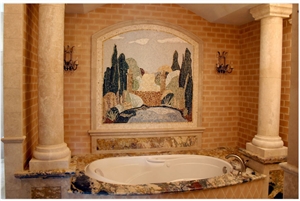
- Kitchen and bathroom countertops, wash basins, building stone, ornamental stone, stairs, interior, exterior wall and floor applications, mosaic, waterjet pattern, wall panels, table tops, balustrades, columns, wall and pool copings, pool pavers, fireplaces, window sills
- Additional Names:
- Marbre Breche Medous, Breche Medoux Marble, Breche Meduse Marble, Breche Universelle Marble, Brecha Medusa Marble, Breccia Medusa Marble, Breche de Medous
- Finished Surface:
- Polished,Bush Hammered,Tumbled,Brushed,Honed,Split,Machine Cut,Natural Surface,Sandblasted,Acid Washing,Combed,Leathered,Water Jet,Filled,Chiseled,Pickling
Testing
- Water Absorption:
- 1.7 %
- Density:
- 2700 kg/m3
- Flexural Strength:
- 12 MPa
- Compressive Strength:
- 109.9 - 113.6 MPa
- Stone texture:
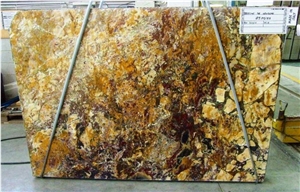
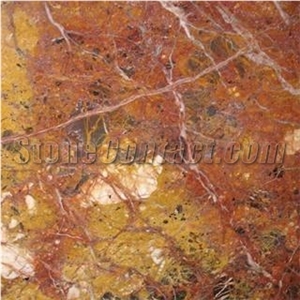
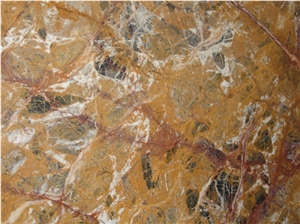
- a dramatic multicolor brecciated marble featuring a rich interplay of tones — typically a light cream or beige background interspersed with bold angular fragments in shades of grey, brown, red and sometimes ochre or pinkish hues, creating an eye‑catching, collage‑like pattern. Its texture and structure are defined by its brecciated formation: naturally broken stone fragments cemented together within a crystalline marble matrix, resulting in a varied, irregular surface with a distinctive mosaic effect
Description
Breche de Medous Marble is a captivating multicolored brecciated marble, renowned for its dramatic and vivid patterns primarily featuring a light cream or beige background. The marble is intricately interspersed with bold, angular fragments in shades of grey, brown, red, and occasionally ochre or pinkish hues, creating a striking, collage-like pattern.
Physical and Mechanical Properties:
- Water Absorption:1.7%
- Density: 2700 kg/m³
- Flexural Strength: 12 MPa
- Compressive Strength: 109.9 - 113.6 MPa
- Hardness: Generally comprises of a Mohs hardness between 3-4, typical for marble.
- Porosity: Low to medium; varies according to the specific brecciated content and cementing matrix.
- Slip Resistance: Typically low for polished surfaces; honed or sandblasted finishes might offer better traction.
Chemical and Mineral Composition (% by weight):
- Calcite (CaCO₃): Dominant, often over 90%
- Dolomite (CaMg(CO₃)₂): Present in lesser quantities
- Iron Oxides (FeO/Fe₂O₃): Responsible for reddish-brown hues, around 2-4%
- Quartz (SiO₂): Minor components, impacts hardness
- Mica and Other Silicates: Additional traces, influencing texture and color variation
Usage:
Interior Applications:
-
Flooring
-
Wall cladding
-
Countertops
-
Decorative elements
Exterior Applications:
-
Limited due to susceptibility to weathering; primarily used where exposure is minimized.
Maintenance:
-
Regular Cleaning: Use pH-neutral cleaners to avoid etching and staining.
-
Sealing: Regular sealing recommended to protect against moisture and stains, especially for high-traffic or wet areas.
-
Avoid Acidic Substances: Protect from vinegar, citrus, and other acidic products that can damage the surface.
Cutting Sizes (cm):
- Available in a variety of sizes:
- Standard tiles (30x30, 60x30, etc.)
- Slabs for custom applications
Common Surface Finish Options:
- Polished: Highly reflective and enhances vibrant colors
- Honed: Smooth with a matte finish, provides more slip resistance than polished
- Sandblasted: Provides a textured surface, enhancing slip resistance for floor applications
- Brushed: Slightly textured and subtly highlights the stone's natural veining
Breche de Medous Marble is a truly remarkable natural stone, adding elegance and dynamic visual interest to various architectural and design applications. Its unique brecciated pattern not only enhances aesthetic appeal but also serves to create distinctive interior environments. However, due to its natural characteristics, it requires careful handling and maintenance to preserve its beauty over time.