Post Your Needs

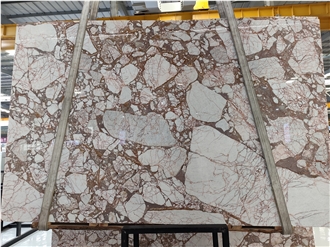
Calacatta Granviola Marble

Lilac - Marble

Italy

About

Item Details

Material Type:
Marble
Origin:
Italy (Provincia di Lucca, Toscana)
Primary Color(s):
Lilac
Recommended Usage:
kitchen and bathroom countertops, stairs, building stone, ornamental stone, interior, exterior wall applications, mosaic, waterjet pattern
Additional Names:
Calacatta Granviola, Bvlgari Marble, Blgari Marble, Calacatta Granviola Marble, Calacatta Viola Marble, Calacatta Violet Marble, in China stone market:宝格丽(Bǎo gé lì), Calacatta Granviola
Finished Surface:
Polished,Bush Hammered,Tumbled,Brushed,Honed,Split,Machine Cut,Natural Surface,Sandblasted,Acid Washing,Combed,Leathered,Water Jet,Filled,Chiseled,Pickling

Testing

Water Absorption:
0.2-0.5 %
Density:
2700 kg/m3
Flexural Strength:
15-20 MPa
Compressive Strength:
100 - 150 MPa

Description

Calacatta Granviola Marble is a truly extraordinary and luxurious natural stone, celebrated for its rarity and captivating aesthetics. Quarried in Provincia di Lucca, Toscana, this marble is an exquisite masterpiece of nature, often sought after for its unique beauty and opulent character.

The stone features a pure white base color, which lends it a sense of purity and timeless elegance. This pristine background is the perfect canvas for its bold purple veining patterns, which weave through the surface in intricate and dynamic ways. These veins are reminiscent of an artistic painting, creating a dramatic visual spectacle that commands attention.

The interplay between the white base and the vivid purple veins makes Calacatta Granviola Marble an ideal choice for luxury interiors, high-end architectural projects, and sophisticated decorative applications. It is particularly well-suited for feature walls, countertops, flooring, and statement pieces where its opulence can be fully appreciated.

As a marble of exceptional quality and aesthetic appeal, Calacatta Granviola Marble embodies the elegance and grandeur that are hallmarks of fine Italian natural stones.

FAQ

How can I restore the appearance of Calacatta Granviola Marble floors to make them look new again?

Restoring the appearance of Calacatta Granviola Marble floors to make them look new involves several careful steps. Marble is a delicate material, so its important to handle it with care to avoid damage. Here’s a step-by-step guide to restoring your marble floors: 1. **Cleaning**: - Start by thoroughly sweeping the floor to remove loose dirt and debris. - Use a pH-neutral marble cleaner mixed with warm water. Avoid acidic or alkaline cleaners, as they can damage the marble surface. - Mop the floor with the cleaning solution, using a soft mop or cloth. Avoid soaking the floor, as excessive water can seep into the marble and cause stains. 2. **Removing Stains**: - Identify any stains or discolorations. - Use a poultice paste for stain removal, which can often be purchased specifically for marble. Apply it over the stain, cover it with plastic wrap, and allow it to set according to instructions (usually 24–48 hours). - Once dry, gently remove the poultice and clean the area with a damp cloth. 3. **Polishing**: - For a light polish, use a specialty marble polishing powder. Follow the products instructions, typically spreading the powder on the floor and buffing with a soft cloth or pad. - For a high-gloss finish, use a mechanical buffer with a marble polishing pad. 4. **Sealing**: - Once the floor is clean and dry, apply a marble sealer to protect against future stains and etching. Follow the instructions carefully; generally, you’ll apply it with a soft cloth or sponge. - Allow the sealer to penetrate for the recommended time and then buff with a clean cloth. 5. **Regular Maintenance**: - Use rugs or mats in high-traffic areas to protect the marble. - Clean spills immediately to prevent staining. - Regularly dust mop or vacuum (with a soft brush attachment) to keep dust and grit off the floor. Always test any cleaning or polishing products on a small, inconspicuous area first to ensure compatibility with your specific marble. If the floor is severely damaged or you feel unsure about handling the restoration yourself, consider hiring a professional restoration service to ensure optimal results.

Can Calacatta Granviola Marble be used for stair steps?

Yes, Calacatta Granviola Marble can be used for stair steps. Marble is a popular choice for stairs due to its elegance and timeless beauty. When using Calacatta Granviola Marble for stair steps, consider the following factors: 1. **Finish**: A honed or matte finish might be preferable for stair steps to provide better traction and reduce the risk of slipping compared to a polished finish. 2. **Thickness**: Ensure the marble slabs used for stairs are of adequate thickness to withstand foot traffic and potential impact. 3. **Sealing**: Marble is a porous material, so sealing it properly can help protect against stains and moisture damage, ensuring its longevity. 4. **Maintenance**: Regular maintenance and cleaning with products suitable for marble will help preserve its appearance over time. 5. **Design Considerations**: The veining and patterns of Calacatta Granviola Marble should be considered when planning the layout to ensure a visually appealing result. Its always advisable to consult with a professional stone fabricator or installer to ensure that the marble is installed correctly and safely.

Do fruit juices stain the surface of Calacatta Granviola Marble ?

Yes, fruit juices can stain the surface of Calacatta Granviola Marble. Marble is a porous and somewhat soft natural stone, which makes it susceptible to staining and etching from acidic substances like fruit juices. The acids can penetrate the surface and cause discoloration. It is important to clean up spills immediately to prevent staining, and consider using a sealant to provide a protective barrier on the marble surface. Regular maintenance and care are crucial to keeping marble surfaces looking their best.

Does the surface of Calacatta Granviola Marble scratch easily?

Calacatta Granviola Marble, like many other types of marble, is relatively soft and can be prone to scratching. Marble is a natural stone composed mainly of calcite, which is softer than other materials like granite or quartzite. Consequently, it requires careful handling and maintenance to keep it looking pristine. To minimize scratches on Calacatta Granviola Marble: 1. **Use cutting boards and trivets**: Avoid placing sharp objects or hot pots and pans directly on the surface. 2. **Clean regularly with mild cleaners**: Avoid acidic or abrasive cleaners that could damage the surface. 3. **Seal the marble**: Regular sealing can provide a protective barrier against scratches and stains. 4. **Use soft cloths**: When cleaning, use soft, non-abrasive cloths to avoid surface damage. Despite its susceptibility to scratching, with proper care and maintenance, Calacatta Granviola Marble can maintain its elegant appearance for a long time.

Can Calacatta Granviola Marble be used for pool coping?

Calacatta Granviola Marble can be used for pool coping, but there are several considerations to keep in mind. First, marble is a natural stone that is relatively porous compared to other materials, making it susceptible to staining and water absorption, which can lead to degradation over time in a pool environment. Additionally, marble can become quite slippery when wet, which poses a safety concern for pool areas. To mitigate these issues, proper sealing of the marble is essential to protect it from water damage and staining. Moreover, regular maintenance will be necessary to ensure that the marble retains its aesthetic appeal and structural integrity. Its also important to consider using a textured finish or a slip-resistant treatment to improve traction and reduce the risk of slips and falls. Lastly, youll want to ensure that the marble you choose can withstand the local climate and weather conditions, particularly if you live in a region with freeze-thaw cycles. Consulting with a professional who specializes in natural stone installations for outdoor and pool environments is recommended to ensure the longevity and safety of the installation.

Can Calacatta Granviola Marble be used as a kitchen countertop?

Calacatta Granviola Marble can technically be used as a kitchen countertop, but there are several factors to consider before deciding if it’s the best choice for your needs. Here are some points to take into account: 1. **Aesthetics**: Calacatta Granviola Marble is known for its striking veining and luxurious appearance, which can add a high-end look to any kitchen. 2. **Porosity**: Marble is a porous natural stone, making it susceptible to staining from oils, wine, acidic substances, and other kitchen spills. It requires regular sealing to reduce its porosity and protect it from stains. 3. **Durability**: While marble is a durable material, it is softer and more prone to scratches and etching compared to granite or quartz. Knives, heavy pots, or sharp objects can damage the surface if used without caution. 4. **Maintenance**: Marble countertops require more maintenance compared to other materials to keep them looking pristine. Regular sealing, immediate cleaning of spills, and using cutting boards are necessary to maintain its appearance. 5. **Heat Resistance**: Marble has good heat resistance, which is a plus for kitchen use. However, sudden temperature changes or placing very hot pots directly on the surface might cause thermal shock and damage the stone. 6. **Cost**: Calacatta marble is typically more expensive than other types of marble or alternative countertop materials, which could be a consideration depending on your budget. If you prioritize aesthetics and are willing to perform the necessary maintenance and care, Calacatta Granviola Marble can be a beautiful option for a kitchen countertop. However, if you’re looking for a more durable, low-maintenance option, you might consider other materials like quartz or granite.

How can I maintain Calacatta Granviola Marble flooring?

Maintaining Calacatta Granviola Marble flooring involves a combination of regular cleaning, protective measures, and occasional deep maintenance to preserve its beauty and extend its lifespan. Here are some practical tips for maintaining your marble flooring: 1. **Regular Cleaning:** - **Sweeping/Dust Mopping:** Use a soft, dry dust mop or a vacuum with a floor-brush attachment to remove dust and debris on a daily basis. Avoid regular vacuums that may scratch the surface. - **Mopping:** Clean the floor with a damp mop using warm water and a pH-neutral cleaner specifically designed for marble. Avoid acidic or abrasive cleaners, which can damage the marble surface. 2. **Preventing Stains and Scratches:** - **Use Mats and Rugs:** Place rugs or mats at entrance areas to reduce dirt and grit that can scratch the floor. Use non-slip liners under rugs to prevent slipping. - **Immediate Cleaning of Spills:** Blot spills immediately with a soft cloth. Acidic substances like juice, wine, or vinegar can quickly etch and stain marble. - **Furniture Pads:** Use protective pads under furniture legs to prevent scratches when moving pieces around. 3. **Sealing:** - Marble is porous and should be sealed to prevent stains. Apply a high-quality marble sealant every 6-12 months, or as recommended by the manufacturer of the sealant. Follow the instructions on the product label for the best results. 4. **Deep Cleaning:** - Occasionally, you may need to perform a deep clean. Use a specialized marble cleaner or have a professional service do it to safely remove deep-seated dirt without damaging the stone. - Avoid using any acidic or abrasive products, as they can etch and dull the marble surface. 5. **Polishing:** - Over time, marble can become dull. Use a marble polishing powder or hire a professional service if you’re not sure how to properly polish marble. Make sure to follow the product instructions carefully. 6. **Temperature and Humidity Control:** - Try to maintain stable indoor temperatures and humidity levels to prevent expansion and contraction of the marble tiles, which can lead to cracks or grout failure. By staying consistent with these maintenance practices, you can help ensure that your Calacatta Granviola Marble flooring remains beautiful and in good condition for many years.

My tabletop made of Calacatta Granviola Marble has scratches. How can I fix it?

To fix scratches on your Calacatta Granviola Marble tabletop, you can follow these steps: 1. Clean the surface: First, clean the surface of the tabletop with a gentle cleaner and warm water to remove any dirt or debris. 2. Assess the scratches: Examine the scratches to determine their depth and severity. Light scratches can often be buffed out with a polishing compound, while deeper scratches may require more extensive repair. 3. Use a polishing compound: For light scratches, apply a small amount of a marble polishing compound to the scratched area. Use a soft cloth to gently buff the compound into the scratch in a circular motion until the scratch is no longer visible. 4. Sand and polish: For deeper scratches, you may need to sand down the affected area with fine grit sandpaper and then polish the surface with a marble polishing compound to restore its shine. 5. Seal the surface: Once the scratches have been repaired, apply a marble sealer to the tabletop to protect it from future damage and maintain its appearance. Its important to note that repairing scratches on marble can be a delicate process, so if youre unsure or uncomfortable with doing it yourself, it may be best to consult a professional stone restoration expert.

Can 2cm thick Calacatta Granviola Marble be used for a commercial bar top?

Yes, 2cm thick Calacatta Granviola Marble can be used for a commercial bar top. Marble is a durable and elegant material that is commonly used for bar tops in commercial settings. Just be sure to properly seal the marble to protect it from stains and wear and tear. Additionally, consider the amount of traffic and use the bar will receive when selecting the thickness of the marble slab, as thicker slabs may be more durable in high-traffic areas.

Is Calacatta Granviola Marble a suitable choice for exterior wall?

Calacatta Granviola Marble is a beautiful and luxurious stone that is commonly used for interior applications such as countertops, floors, and backsplashes. However, it may not be the best choice for exterior walls due to its high porosity and susceptibility to staining and weathering. If used on an exterior wall, Calacatta Granviola Marble may require regular sealing and maintenance to protect it from the elements and prevent damage. Additionally, the high cost of this marble may make it a less practical choice for exterior applications where it may be exposed to harsh weather conditions. For exterior walls, it is recommended to choose a more durable and weather-resistant material such as natural stone, porcelain tiles, or fiber cement panels. These materials are more suitable for withstanding the elements and maintaining their appearance over time.

Products & Prices

View More

Hot Lilac Marble

New Marble

Post Your Request

The request includes:
  1. surface finished, size
  2. quantity required