Post Your Needs

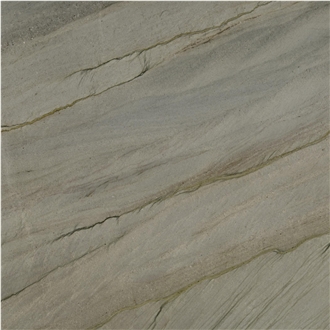
Calacatta Lasa Quartzite

Quartzite

Brazil

About

Item Details

Material Type:
Quartzite
Origin:
Brazil
Recommended Usage:
kitchen and bathroom countertop, wash basins, building stone, ornamental stone, stairs, interior wall and floor applications, mosaic, water-jet pattern, wall panels, table tops, balustrades, columns, fireplaces, luxury furniture
Additional Names:
Calacata Lasa Quartzite, Calacatta Quartzite, Calacatta Macaubas Quartzite
Finished Surface:
Polished,Bush Hammered,Tumbled,Brushed,Honed,Split,Machine Cut,Natural Surface,Sandblasted,Combed,Leathered,Water Jet,Chiseled,Pickling

Testing

Water Absorption:
0.1 - 0.25%
Density:
2660 - 2700 kg/m³
Flexural Strength:
13 - 16 MPa
Compressive Strength:
150 - 170 MPa

Description

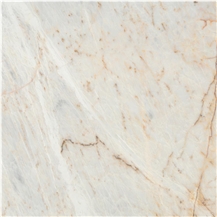
Calacatta Lasa Quartzite is a premium Brazilian quartzite characterized by a bright clean white to ivory base with soft milky undertones, creating an elegant and luminous background. The stone features delicate, irregular veining in light golden-beige and soft tan tones, occasionally accompanied by faint grey or cream accents. The veining is refined and understated, flowing in a natural, organic manner that produces a sophisticated marble-like aesthetic while maintaining the superior strength and durability of quartzite. Its overall appearance is calm, luxurious, and highly versatile for both contemporary and classic architectural applications.

Texture & Pattern: Fine to medium crystalline quartzite with a dense interlocking grain structure. The surface exhibits a smooth crystalline sheen in polished finish, while honed and leathered finishes highlight its subtle mineral texture. The pattern is soft, flowing, and non-uniform, featuring wispy linear veins and gentle tonal transitions that create a natural marbled effect without strong contrast or heavy movement.

Mineralogical Composition (% by weight):

  • Quartz (SiO₂): 88–96%
  • Feldspar: 2–5%
  • Mica and accessory minerals: 1–4%

Chemical Composition (% by weight):

  • SiO₂: 88–96%
  • Al₂O₃: 1–3%
  • Fe₂O₃: 0.2–1.2%
  • Trace oxides (K₂O, Na₂O, CaO): <2%

Physical & Technical Properties (typical values):

  • Apparent Density: 2.66–2.70 g/cm³
  • Water Absorption: 0.1–0.25%
  • Compressive Strength: 150–170 MPa
  • Flexural Strength: 13–16 MPa
  • Mohs Hardness: 7
  • Abrasion Resistance: High

Surface Finish Options: Polished (enhances brightness and veining clarity), honed, leathered, brushed, sandblasted, and machine-cut finishes for architectural precision.

Applications: Luxury countertops, kitchen islands, bathroom vanities, flooring, wall cladding, staircases, hotel lobbies, reception counters, fireplace surrounds, and high-end residential or commercial interiors.

Maintenance: Low porosity quartzite requiring periodic sealing for stain resistance; clean with pH-neutral stone cleaners; avoid acidic or abrasive products to preserve surface integrity and natural color clarity.

FAQ

Is Calacatta Lasa Quartzite suitable to use for sculpturing?

Calacatta Lasa Quartzite, like other types of quartzite, is a natural stone that is often used in applications such as countertops, flooring, and wall cladding due to its durability and aesthetic appeal. However, when it comes to sculpting, using quartzite can be challenging for several reasons: 1. **Hardness**: Quartzite is very hard, typically ranking around 7 on the Mohs scale of hardness. This makes it difficult to carve compared to softer stones like marble or soapstone, which are traditionally used for sculpting. 2. **Tools and Skills**: Sculpting quartzite would require specialized tools, such as diamond-tipped or carbide tools, and a high level of skill and experience in working with such hard materials. 3. **Fragility**: Despite its hardness, quartzite can be brittle and may fracture unpredictably, which can make it less ideal for detailed sculptural work that involves intricate carvings. 4. **Cost of Material and Tools**: The cost of working with such a hard stone can be high due to the need for special tools and the risk of material wastage due to breakage. While its technically possible to sculpt with Calacatta Lasa Quartzite, it is generally not preferred for sculpting due to these challenges. If youre considering a material for sculptural work, you may want to opt for more traditional sculpting stones unless youre specifically interested in the particular aesthetic or properties of quartzite.

Does coffee stain the surface of Calacatta Lasa Quartzite kitchen countertop?

Calacatta Lasa Quartzite is a natural stone, and while it is more resistant to staining than some other natural stones like marble, it is not entirely impervious to staining. Coffee, which is acidic and dark-colored, can potentially stain quartzite surfaces if left to sit for an extended period. To prevent staining, it is important to wipe up any spills promptly and use a sealant on the countertop. Regular resealing can also help protect the surface from stains. However, it is always advisable to follow the care and maintenance recommendations from the supplier or manufacturer of your specific quartzite countertop.

Can Calacatta Lasa Quartzite be used for a fireplace mantel?

Yes, Calacatta Lasa Quartzite can be used for a fireplace mantel. Quartzite is a natural stone known for its durability and heat resistance, making it suitable for areas exposed to higher temperatures, such as a fireplace. Calacatta Lasa Quartzite, in particular, features a striking appearance with its elegant veining and light background, which can add a luxurious touch to your fireplace mantel design. Just ensure that you work with a reliable fabricator or installer who has experience working with natural stones to ensure proper installation and longevity.

Can Calacatta Lasa Quartzite be used for a commercial bar top?

Yes, Calacatta Lasa Quartzite can be used for a commercial bar top. Quartzite is known for its durability and resistance to scratches and heat, making it a suitable choice for high-traffic areas like a bar. Additionally, its aesthetic appeal, which resembles marble with its elegant veining, can add a luxurious touch to the setting. However, its important to properly seal quartzite to protect it from potential staining, especially in a commercial environment where spills are more likely. Regular maintenance and sealing will help preserve the appearance and functionality of the bar top over time.

Can 20mm slab Calacatta Lasa Quartzite be used for kitchen countertop?

Yes, a 20mm slab of Calacatta Lasa Quartzite can be used for a kitchen countertop. Quartzite is a natural stone known for its durability and resistance to heat, making it a suitable choice for kitchen countertops. The 20mm thickness is generally adequate for countertop use, although some people may prefer 30mm for increased robustness and a more substantial look. Its important to ensure that the installation is done properly and that the countertop is sealed appropriately to protect it from stains and maintain its appearance. Proper care and maintenance will help preserve the beauty and longevity of the quartzite surface.

How can I repair the scratched surface of the Calacatta Lasa Quartzite countertop?

Repairing scratches on a Calacatta Lasa Quartzite countertop involves a few careful steps to help restore its appearance. Quartzite is a natural stone, so youll need to approach the repair with care to avoid further damage. Here’s a general guide on how to fix scratches: 1. **Assess the Damage**: Examine the scratches to determine their depth. Minor, superficial scratches can often be repaired at home, but deeper ones might require professional attention. 2. **Clean the Surface**: Thoroughly clean the countertop to remove any dust, dirt, or residues. Use a pH-balanced stone cleaner and a soft cloth. Avoid harsh or acidic cleaners that can damage natural stone. 3. **Sanding**: For light scratches, use fine-grit sandpaper (such as 400-600 grit) or a fine stone polishing pad. Dampen the area with water and gently sand the scratch in a circular motion. If the scratch is deeper, start with a slightly coarser grit (around 320) and then move to a finer grit to smooth the surface. 4. **Buffing**: After sanding, use a buffing pad or a soft cloth to polish the area. If necessary, use a stone-polishing compound designed for quartzite. Apply a small amount to the scratched area and buff it with a circular motion until it blends with the surrounding surface. 5. **Rinse and Dry**: Clean the area again with a damp cloth to remove any dust or residue from the polishing compound. Dry it thoroughly with a clean, soft cloth. 6. **Seal the Countertop**: If the quartzite was originally sealed, apply a high-quality stone sealer to protect it from future scratches and stains. Follow the manufacturers instructions for application. 7. **Professional Help**: If the scratch is deep or the polishing didnt yield the desired results, consider consulting a professional stone repair service. They have the tools and expertise to restore the surface without risking further damage. For the best results, always check the care instructions specific to your Calacatta Lasa Quartzite and consult with the supplier or manufacturer if unsure about the repair process. Regular maintenance and gentle cleaning can help minimize the appearance of future scratches.

Products & Prices

Hot Quartzite

New Quartzite

Post Your Request

The request includes:
  1. surface finished, size
  2. quantity required