Post Your Needs

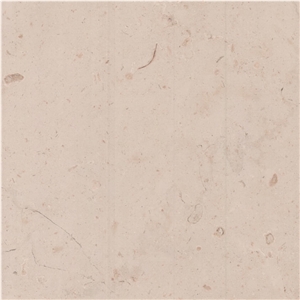
Calacatta Pearl Limestone

Limestone

Kosovo

About

Item Details

Material Type:
Limestone
Origin:
Kosovo (Berat)
Recommended Usage:
Kitchen and bathroom countertops, wash basins, building stone, ornamental stone, stairs, interior, exterior wall and floor applications, mosaic, waterjet pattern, wall panels, table tops, balustrades, columns, wall and pool copings, pool pavers, sculptures, fireplaces
Additional Names:
Argento Grigio Limestone
Finished Surface:
Polished,Bush Hammered,Tumbled,Brushed,Honed,Split,Machine Cut,Natural Surface,Sandblasted,Combed,Leathered,Water Jet,Filled,Chiseled,Pickling

Testing

Water Absorption:
0.22 %
Density:
2680 kg/m³
Flexural Strength:
14.2 MPa
Compressive Strength:
125 MPa

Description

Calacatta Pearl Limestone is a premium sedimentary and fossilized natural stone quarried in Berat, Kosovo, admired for its sophisticated contrast of tones and refined natural texture. This exceptional limestone features a dark ash-grey base elegantly interlaced with light silver-grey shades and delicate white quartz streaks, evoking the luxurious character and veining style reminiscent of classic Calacatta marbles while retaining the subtle charm of a limestone.

Texture and Pattern

The stone presents a fine to medium-grained texture, offering a smooth yet naturally tactile surface that enhances its organic appeal. Its pattern is defined by gentle linear quartz streaks and fossilized inclusions that add depth and authenticity. The color palette ranges from rich charcoal grey to soft silver hues, with occasional white mineral highlights that create a sophisticated visual rhythm. This unique interplay of tones and patterns makes Calacatta Pearl Limestone suitable for both modern minimalist spaces and traditional elegant interiors.

Technical Characteristics

  • Apparent Density EN 1936 : 2,680kg/m³
  • Water Absorption by Weight EN 13755 : 0.22%
  • Open Porosity EN 1936 : 0.65%
  • Compressive Strength EN 1926 : 125MPa
  • Flexural Strength EN 12372 : 14.2MPa
  • Abrasion Resistance (Ha) EN 14157 : 20.1Ha
  • Mohs Hardness : -3 – 4—

Chemical Composition (% by Weight)

  • CaCO₃ (Calcium Carbonate) : 96.3%
  • SiO₂ (Silica)1.6%
  • MgCO₃ (Magnesium Carbonate) : 1.1%
  • Fe₂O₃ (Iron Oxide) : 0.4%
  • Al₂O₃ (Aluminum Oxide) : 0.3%
  • Other Trace Minerals : 0.3%

Usage

Calacatta Pearl Limestone’s balanced tone and sophisticated veining make it ideal for a wide range of architectural and design applications, including:

  • Interior wall and floor cladding
  • Staircases and corridors
  • Bathroom and spa interiors
  • Countertops, sinks, and vanity tops
  • Fireplace surrounds and decorative wall panels
  • Exterior façades and landscaping elements (in honed or brushed finishes)

Its durability and refined look make it particularly suited for luxury residential, hospitality, and commercial projects.

Maintenance

Routine cleaning with a neutral pH stone cleaner is recommended. Avoid acidic or abrasive substances that may etch the surface. For long-term protection, apply a penetrating stone sealer during installation and reapply periodically depending on usage. Polished surfaces may require occasional repolishing in high-traffic areas to maintain their natural sheen.

FAQ

How can I clean the grout of Calacatta Pearl Limestone wall tiles?

Cleaning the grout of Calacatta Pearl Limestone wall tiles requires care to avoid damaging the limestone surface. Heres a step-by-step guide: 1. **Gentle Cleaning Solution**: - Prepare a mild cleaning solution by mixing a few drops of pH-neutral stone cleaner with warm water. Avoid acidic or alkaline cleaners, as they can damage limestone. 2. **Test on a Small Area**: - Before applying the solution broadly, test it on a small, inconspicuous area to ensure it doesn’t affect the stone. 3. **Use a Soft Brush**: - Dip a soft-bristled brush or an old toothbrush into the cleaning solution. Avoid using metal or hard-bristled brushes to prevent scratching the stone. 4. **Scrub the Grout Lines**: - Gently scrub the grout lines with the soft brush. Focus on the grout lines and try not to let the solution or scrubbing impact the limestone tiles directly. 5. **Rinse Thoroughly**: - Wipe down the area with a clean, damp cloth or sponge to remove any remaining cleaning solution. Make sure to rinse thoroughly to prevent residue on the stone. 6. **Dry the Surface**: - Use a soft towel or cloth to dry the area completely. Leaving water on limestone can cause stains or damage over time. 7. **For Stubborn Stains**: - If stains persist, consider using a paste made from baking soda and water. Apply it to the grout, let it sit for a few minutes, and then gently scrub with a soft brush. 8. **Seal the Grout**: - Once clean, consider applying a sealer specifically designed for stone and grout. This can help protect against future staining and make cleaning easier. Remember to always follow the manufacturers care instructions for both the tiles and grout, and consider reaching out to a professional for persistent staining or maintenance issues.

I have a Calacatta Pearl Limestone tabletop with a vein that looks broken. Should I glue it?

If you have a Calacatta Pearl Limestone tabletop with a vein that looks broken, you should first assess the extent of the damage before deciding to glue it. Here are some steps you can follow: 1. **Examine the Damage:** Determine if the break is a surface-level issue or if the stone is cracked through. A surface-level issue may only require cosmetic repairs, while a deeper crack might need structural attention. 2. **Clean the Area:** Before applying any adhesive, clean the area around the vein thoroughly to remove dust, dirt, and any debris. Use a mild soap and water solution and ensure the area is completely dry. 3. **Choose the Right Adhesive:** If the damage is structural and you decide to repair it yourself, choose an appropriate adhesive for natural stone. Epoxy resin is a common choice as it provides a strong bond and can be colored to match the stone, but be sure to get a product suitable for limestone. 4. **Application:** Follow the manufacturers instructions carefully when mixing and applying the adhesive. Use a small brush or applicator to apply it along the crack or broken vein. 5. **Remove Excess Adhesive:** Before the adhesive fully cures, use a razor blade or a soft cloth to carefully remove any excess. Be sure not to scratch the surface of the limestone. 6. **Let it Cure:** Allow proper curing time as specified by the adhesive manufacturer before using the tabletop. 7. **Polishing (Optional):** After the adhesive has fully cured, you may need to polish the area to match the surrounding surface. Use a suitable polishing compound for limestone. If the damage is extensive or beyond a superficial break, it might be best to consult a professional stone fabricator or restorer for advice. They can ensure the repair is done correctly and safely, preserving the integrity and appearance of your tabletop.

What is the thickness of the Calacatta Pearl Limestone window sills?

The thickness of Calacatta Pearl Limestone window sills can vary depending on the supplier or manufacturer, as well as the specific requirements of the project. However, common thickness options for window sills are typically around 2 cm (approximately 0.8 inches) or 3 cm (approximately 1.2 inches). To get the exact dimensions you need, its best to consult directly with the supplier or check the specifications provided for the product.

How can I fix a broken veined Calacatta Pearl Limestone wash basin?

Fixing a broken veined Calacatta Pearl Limestone wash basin requires patience and attention to detail to ensure a successful repair. Heres a step-by-step guide on how to approach this task: ### Materials Needed: - Limestone repair kit (epoxy or adhesive specifically made for stone) - Clean cloth or sponge - Mild detergent - Water - Sandpaper (fine grit) - Paintbrush or spatula - Masking tape - Wax or polish (stone-specific) - Safety gear (gloves, goggles, mask) ### Steps to Follow: 1. **Preparation:** - **Safety First:** Wear gloves, goggles, and a mask to protect yourself from dust and chemicals. - **Clean the Area:** Use a mild detergent and water to clean the broken area and let it dry completely. This removes any dust or grime that may hinder the adhesion process. 2. **Examine the Damage:** - Assess the extent of the damage. If the basin is shattered into many pieces, you might need professional help. For cracks or a few broken pieces, proceed with the repair. 3. **Align the Pieces:** - Carefully fit the broken pieces together to ensure all parts match perfectly. You may need to try different positions before finding the precise fit. 4. **Prepare the Adhesive:** - Follow the instructions on the limestone repair kit to prepare the adhesive or epoxy. Some kits require mixing resin and hardener. 5. **Apply the Adhesive:** - Use a paintbrush or spatula to apply the adhesive to all the broken edges. Be sure to use a thin, even layer for optimal results. 6. **Assemble the Pieces:** - Carefully press the broken pieces together, ensuring they are aligned correctly. Use masking tape to hold parts in place and prevent movement while the adhesive cures. 7. **Curing Time:** - Allow the adhesive sufficient time to cure as specified by the manufacturer. Avoid using the sink during this period. 8. **Finishing Touches:** - Once cured, remove the masking tape. - If excess adhesive is visible, gently sand it down with fine-grit sandpaper until smooth. - Clean any dust with a damp cloth. 9. **Polishing:** - Apply stone-specific wax or polish to the repaired area to restore the limestones natural shine. 10. **Maintain:** - Regularly clean the basin with a mild detergent and water to maintain its appearance and prevent future damage. If youre unsure about the repair process or if the damage is extensive, it might be wise to consult a professional stone repair specialist to ensure the best outcome.

If I use Calacatta Pearl Limestone around a swimming pool, will the water chemicals affect its color?

Using Calacatta Pearl Limestone, or any natural limestone, around a swimming pool requires careful consideration because limestone is a porous and relatively soft natural stone. Pool chemicals, especially chlorine and other acidic substances used to maintain water quality, can have detrimental effects on limestone, potentially affecting its color and surface integrity over time. 1. **Chemical Sensitivity**: Limestone is sensitive to acidic substances. Prolonged exposure to pool chemicals can lead to discoloration, etching, or erosion of the stones surface. 2. **Sealing**: To protect limestone from chemical damage, it is essential to seal it with a high-quality impregnating sealer specifically designed for natural stone. This will help create a barrier against chemicals. 3. **Maintenance**: Regular cleaning and maintenance are crucial. Clean up spills quickly and rinse the limestone with fresh water frequently to remove chemical residues. 4. **Alternative Materials**: If youre concerned about the long-term effects of pool chemicals on limestone, you might consider using more chemically resistant materials, such as certain types of porcelain tile or treated concrete, which are designed for poolside use. In summary, while you can use Calacatta Pearl Limestone around a swimming pool with the right precautions, be mindful of its maintenance needs and potential susceptibility to chemical damage.

Can I use Calacatta Pearl Limestone as a fireplace hearth? Is it durable enough to withstand heat?

Calacatta Pearl Limestone can technically be used as a fireplace hearth, but there are a few considerations to keep in mind. Limestone is a sedimentary rock composed mainly of calcium carbonate, making it relatively soft and more porous compared to other stones like granite or marble. Here are some factors to consider: 1. **Heat Resistance**: Limestone can handle some heat, but it is not as heat-resistant as other stone options. Prolonged exposure to high temperatures may cause the stone to crack or discolor. 2. **Durability**: While Calacatta Pearl Limestone is beautiful, it’s not as durable as harder stones. It can scratch and stain more easily, so it requires regular sealing and maintenance to protect its surface. 3. **Aesthetic Considerations**: The light color and unique veining of Calacatta Pearl Limestone can add an elegant touch to a fireplace hearth, but you need to be cautious about soot and dirt, which can be more visible on light-colored material. 4. **Protective Measures**: If you decide to use it, consider installing a heat-resistant barrier or using a hearth rug in front of the fireplace to minimize direct contact with high temperatures. For greater heat resistance and durability, you might also want to consider alternative materials such as granite or engineered stone specifically designed to withstand high temperatures. Always consult with a professional to ensure the material you choose is appropriate for your specific fireplace setup and safety standards.

If I place hot pots, pans, etc., on Calacatta Pearl Limestone tabletop, will it leave marks?

Placing hot pots and pans directly on a Calacatta Pearl Limestone tabletop is likely to cause damage or leave marks. Limestone is a natural stone that is more porous and softer compared to materials like granite or quartz. The heat from the pots and pans can cause discoloration, burn marks, or even cracks. It is always advisable to use trivets, hot pads, or heat-resistant mats to protect the surface from direct heat exposure. Taking these precautions will help maintain the beauty and integrity of your limestone tabletop.

Products & Prices

Hot Limestone

New Limestone

Post Your Request

The request includes:
  1. surface finished, size
  2. quantity required