Post Your Needs

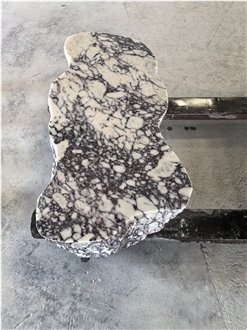
Calacatta Violet Marble

Lilac - Marble

Turkey

About

Item Details

Material Type:
Marble
Origin:
Turkey (Afyonkarahisar)
Primary Color(s):
Lilac
Recommended Usage:
Kitchen and bathroom countertops, monuments, building stone, ornamental stone, stairs, interior, exterior wall and floor applications, mosaic, waterjet pattern, wall panels, table tops, window sills, balustrades, columns, wall and pool copings, pool pavers, sculptures, fireplaces, pavers
Additional Names:
Turkish Calacatta Viola Marble, Celsus Marble, Calacatta Violet Marble
Finished Surface:
Polished,Bush Hammered,Tumbled,Brushed,Honed,Split,Machine Cut,Natural Surface,Sandblasted,Acid Washing,Combed,Leathered,Water Jet,Filled,Chiseled,Pickling

Testing

Water Absorption:
0.15–0.25% by weight
Density:
2690–2730 kg/m³
Flexural Strength:
12–15 MPa
Compressive Strength:
95–120 MPa

Description

Calacatta Violet Marble is an extraordinary and highly distinctive natural stone renowned for its exceptional beauty. Quarried in Turkey, this marble features a striking white background adorned with very spectacular dark violet veins and lighter shades. The contrast between the vibrant violet veins and the pristine white base creates a mesmerizing visual effect that immediately captures attention. Each slab of Calacatta Violet Marble is unique, with intricate patterns and veining that showcase the stone's natural elegance and sophistication. The dark violet veins stand out boldly against the lighter background, adding a sense of drama and luxury to any space. This marble's unparalleled beauty and rarity make it an ideal choice for creating statement pieces such as countertops, accent walls, and decorative features. Calacatta Violet Marble is truly a masterpiece of nature, imbued with unparalleled charm and elegance.

Technical Properties

  • Compressive Strength : 95–120 MPa
  • Flexural Strength : 12–15 MPa
  • Water Absorption : 0.15–0.25% by weight
  • Density : 2,690–2,730 kg/m³
  • Hardness (Mohs) : 3–4

Chemical Composition (% by Weight)

  • CaCO₃ (Calcium Carbonate) : 96–98%
  • MgCO₃ (Magnesium Carbonate) : 1–2%
  • SiO₂ (Silica) : 0.5–1.5%
  • Fe₂O₃ (Iron Oxide) : 0.2–0.5%
  • Al₂O₃ (Alumina) : <0.2%
  • Others (MnO, TiO₂, etc.) : <0.1%

Mineral Composition

  • Calcite: 95–97%
  • Dolomite: 2–3%
  • Trace minerals (hematite, quartz, mica): <1%

FAQ

How can I restore the appearance of Calacatta Violet Marble floors to make them look new again?

Restoring Calacatta Violet marble floors to their original appearance involves a few steps to clean, polish, and seal the stone. Here’s a guide to help you achieve that: 1. **Cleaning:** - **Dust and Debris Removal:** Use a soft-bristle broom or a microfiber dust mop to remove dust and loose debris from the surface. - **Deep Cleaning:** Create a gentle cleaning solution using pH-neutral, non-abrasive stone cleaner mixed with water. Apply the solution using a soft cloth or mop. Avoid acidic cleaners (like vinegar) as marble is prone to etching. - **Rinsing:** Wipe the floor with a clean, damp mop to remove any leftover cleaner residue. 2. **Stain Removal:** - **Identify Stains:** Determine if there are any specific stains (oil, rust, organic) that need attention. - **Poultice Application:** For stubborn stains, use a store-bought poultice or create one using baking soda and water. Apply it to the stain, cover with plastic wrap, and leave it for up to 24 hours before wiping away. 3. **Polishing:** - **Grinding or Honing (if needed):** If the surface has deep scratches or minor damage, professionals may need to hone it with fine-grit diamond pads to remove a thin surface layer. - **Polishing:** Use a marble polishing powder and a buffer or a soft white pad to polish the marble. Follow manufacturer instructions for the powder, and work in small sections, wiping away residue as you go. 4. **Sealing:** - **Choosing a Sealer:** Select an appropriate marble sealer based on the floor’s finish and intended use. - **Application:** Apply the sealer evenly with a clean cloth or applicator, ensuring full coverage. - **Curing:** Allow the sealer to penetrate for the recommended time, usually about 15-30 minutes, then buff off any excess to prevent haziness. 5. **Regular Maintenance:** - **Daily Cleaning:** Regularly remove dust and spills to prevent scratches and stains. - **Periodic Sealing:** Depending on the traffic, reseal your marble every 6-12 months to maintain its protective layer. 6. **Professional Help:** - If the floor has extensive damage, consulting a professional marble restoration service might be necessary to achieve the best results. By following these steps and practicing routine maintenance, you can help keep your Calacatta Violet marble floors looking like new.
Can Calacatta Violet Marble be used for stair steps?

Yes, Calacatta Violet Marble can be used for stair steps. This marble is known for its beautiful veining and striking appearance, making it an attractive choice for various interior applications, including staircases. However, there are several factors to consider when using marble for stair steps: 1. **Slip Resistance**: Polished marble surfaces can be slippery, especially when wet. To improve safety, consider using a honed finish or applying a slip-resistant treatment to the marble. 2. **Durability**: Marble is prone to scratching and can be affected by heavy foot traffic. Regular maintenance and sealing can help preserve its appearance and longevity. 3. **Installation**: Proper installation is crucial to ensure the stability and durability of marble stair steps. It is important to have an experienced professional handle the installation. 4. **Maintenance**: Marble requires regular cleaning and sealing to protect it from stains and etching. Be prepared for the upkeep needed to maintain its aesthetic appeal. 5. **Cost**: Marble can be more expensive than other materials, so budget accordingly. If you consider these factors and are prepared to maintain the marble properly, Calacatta Violet Marble can be an elegant choice for your stair steps.

Do fruit juices stain the surface of Calacatta Violet Marble ?

Yes, fruit juices can stain the surface of Calacatta Violet Marble. Marble is a natural stone that is porous and can be susceptible to staining from acidic substances, such as fruit juices. The acids in the juice can etch the surface, leading to dull spots or stains. To protect the marble, its important to clean up any spills immediately and consider sealing the marble surface regularly to provide an additional layer of protection against staining.

Does the surface of Calacatta Violet Marble scratch easily?

Calacatta Violet Marble, like many natural marbles, is relatively porous and can be prone to scratching compared to harder materials like granite or quartz. Marble is softer and more sensitive to acidic substances, abrasives, and heavy wear. To minimize scratching, it is recommended to use cutting boards, trivets, and avoid placing heavy or sharp objects directly on the surface. Regular sealing can also help protect the marble and make it more resistant to scratches and stains. If youre considering using Calacatta Violet Marble in a high-traffic or high-use area, you might want to take these precautions into account.

Can Calacatta Violet Marble be used for pool coping?

Calacatta Violet Marble can technically be used for pool coping, but there are several factors you should consider before deciding to use it. Marble, including Calacatta Violet, is a natural stone that is susceptible to etching, staining, and weathering when exposed to outdoor elements. Here are some points to consider: 1. **Porosity**: Marble is porous and can absorb water, which can lead to damage over time if not properly sealed and maintained. 2. **Durability**: While marble is relatively hard, it is softer than granite or other stones commonly used for outdoor applications. It may chip or crack under heavy use or harsh weather conditions. 3. **Maintenance**: Regular sealing and maintenance are necessary to keep marble looking good. This can be more challenging in an outdoor setting, especially around a pool where it is exposed to water and chemicals. 4. **Slip Resistance**: Polished marble can be quite slippery when wet, which is an important safety consideration around a pool. Honed or textured finishes may provide better traction. 5. **Aesthetics and Climate**: Marble can be affected by environmental factors such as sunlight, which might cause it to fade or discolor over time, especially if you live in an area with intense sunlight or temperature fluctuations. If you decide to use Calacatta Violet Marble for pool coping, it’s crucial to ensure it is properly sealed and maintained. You might also want to consult with a specialist to find a suitable finish that maximizes safety and durability. Additionally, consider alternative materials specifically designed for pool coping that might offer greater durability and lower maintenance needs.

Can Calacatta Violet Marble be used as a kitchen countertop?

Calacatta Violet Marble can be used as a kitchen countertop, but there are several factors to consider before making this decision. Here are some points to keep in mind: 1. **Aesthetics**: Calacatta Violet Marble is known for its striking appearance with its unique veining and color variations. It can add a luxurious and elegant look to your kitchen. 2. **Durability**: Marble, in general, is softer and more porous than granite or quartz, making it more susceptible to scratches, etching, and staining. It requires regular sealing and maintenance to keep it looking pristine. 3. **Maintenance**: You need to be diligent about wiping up spills quickly, especially with acidic substances like lemon juice or vinegar, as they can etch the surface. Regular sealing is essential to protect the marble. 4. **Cost**: Marble is often more expensive than other countertop materials. Consider your budget and whether the investment is worth it for your kitchen. 5. **Resale Value**: High-quality marble can potentially add to the resale value of your home, as it is considered a premium material. 6. **Alternatives**: If you love the look of Calacatta Violet but are concerned about its practicality, you might consider using it in less demanding areas, such as a backsplash, or exploring engineered stone that mimics the appearance of marble but offers greater durability. Ultimately, while Calacatta Violet Marble can be used as a kitchen countertop, its important to weigh its beauty against the maintenance it requires and ensure it fits with your lifestyle and kitchen usage.

How can I maintain Calacatta Violet Marble flooring?

Maintaining Calacatta Violet Marble flooring involves several steps to ensure its beauty and longevity. Heres a practical guide to help you keep it looking pristine: 1. **Regular Cleaning:** - **Dust Mop:** Use a soft, microfiber dust mop regularly to remove debris and dust that can scratch the surface. - **Wet Mop:** Clean the floors with a damp mop using a pH-neutral stone cleaner. Avoid acidic or abrasive cleaners as they can damage the marble. 2. **Immediate Spill Management:** - Wipe up spills immediately with a soft cloth to prevent staining, especially from acidic substances like wine, citrus, or vinegar. 3. **Sealant Application:** - Apply a penetrating sealer specifically designed for marble every 6 to 12 months to protect against stains and etching. Be sure to follow the manufacturers instructions for best results. 4. **Preventive Measures:** - **Rugs and Mats:** Place doormats at entrances to minimize dirt and grit from being tracked in. - **Furniture Pads:** Use felt pads under furniture legs to avoid scratches. - **Shoes:** Encourage family members and guests to remove shoes to minimize wear and tear. 5. **Polishing and Professional Care:** - Periodically, you may want to polish the marble to maintain its shine. Consider hiring a professional for polishing to ensure it is done safely and effectively. 6. **Avoid Harsh Chemicals:** - Never use bleach, vinegar, or ammonia on marble. They can cause dulling and etching. 7. **Routine Inspection:** - Regularly inspect the flooring for any signs of damage or wear, and address issues promptly to prevent further damage. By following these guidelines, you can maintain the elegance and beauty of your Calacatta Violet Marble flooring for years to come.

My tabletop made of Calacatta Violet Marble has scratches. How can I fix it?

To fix scratches on a Calacatta Violet Marble tabletop, you can follow these steps: 1. Clean the surface: Before attempting to repair the scratches, make sure the tabletop is clean and free of any debris. Use a mild soap and water solution to gently clean the surface, then dry it thoroughly with a soft cloth. 2. Sand the scratches: Use a fine-grit sandpaper (around 200-400 grit) to sand down the scratches on the marble surface. Be sure to sand in the direction of the grain to avoid causing more damage. 3. Polish the surface: Once the scratches have been sanded down, you can use a marble polish or restoration kit to restore the shine to the tabletop. Follow the manufacturers instructions on the product you choose, and buff the surface with a clean, soft cloth to bring back the luster of the marble. 4. Seal the surface: To protect the tabletop from future scratches and stains, consider applying a marble sealer after polishing. This will help to maintain the beauty of the marble and make it easier to clean and maintain in the future. By following these steps, you should be able to repair the scratches on your Calacatta Violet Marble tabletop and restore it to its original beauty.

Can 2cm thick Calacatta Violet Marble be used for a commercial bar top?

Yes, 2cm thick Calacatta Violet Marble can be used for a commercial bar top. However, it is important to consider the specific requirements and usage of the bar before making a decision. Marble is a beautiful and durable material, but it is also susceptible to scratching, staining, and etching from acidic substances. It may require regular maintenance and sealing to keep it in good condition, especially in a high-traffic commercial environment. It is recommended to consult with a professional stone fabricator or designer to ensure that the marble is suitable for the specific needs of the bar.

Is Calacatta Violet Marble a suitable choice for exterior wall?

Calacatta Violet Marble is typically used for interior applications such as countertops, flooring, and wall cladding. Due to its high cost and delicate nature, it may not be the best choice for exterior wall applications. Exterior walls are subject to harsh weather conditions such as rain, snow, and UV exposure, which can cause damage to the marble over time. Additionally, marble is prone to staining and can be difficult to maintain, especially in outdoor environments. It is recommended to choose a more durable and weather-resistant material for exterior walls, such as natural stone, brick, or stucco. If you still prefer the look of Calacatta Violet Marble, you may consider using it for interior walls or accent features in your outdoor space where it will be better protected from the elements.

Products & Prices

View More

Hot Lilac Marble

New Marble

Post Your Request

The request includes:
  1. surface finished, size
  2. quantity required