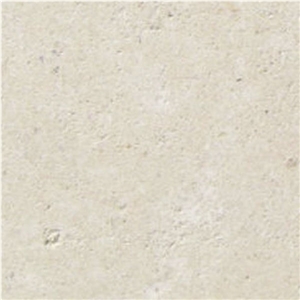
Caliza Eureka Limestone is a distinctive natural stone quarried in Spain, known for its fine- to medium-grained texture and creamy white to light beige tones. This limestone exhibits a refined aesthetic, with a generally uniform color that provides a bright and neutral surface suitable for both modern and traditional architectural settings. Some pieces may show slight tonal variations or faint markings, enhancing its natural appeal while maintaining its overall elegance.
Physical and Mechanical Properties
- Water Absorption: 3.5%
- Density: 2474 kg/m³
- Flexural Strength: 17.3 MPa
- Compressive Strength: Information not provided in the initial data
- Hardness: Information not provided in the initial data
- Porosity: Low, as indicated by its uniform texture and water absorption rate
- Slip Resistance: Typically rated as moderate, depending on the finish applied
Chemical and Mineral Composition
The specific chemical and mineral composition percentages by weight for Caliza Eureka Limestone are generally proprietary or vary slightly by the quarry. However, typical compositions for limestone include:
- Calcium Carbonate (CaCO3): Dominant component, generally over 95%
- Minerals: May include trace amounts of clay minerals, quartz, and other minor element inclusions which account for subtle color and pattern variations.
Usage
Caliza Eureka Limestone is versatile and widely used in various applications, including but not limited to:
- Flooring: Ideal for interior and exterior spaces due to its durability
- Wall Cladding: Both for exterior façade and interior walls
- Countertops: Suitable for kitchen and bathroom countertops
- Staircases: Used in both residential and commercial settings
- Decorative Elements: Columns, moldings, and other architectural features
Maintenance
- Regular Cleaning: Use a pH-neutral cleaner to avoid damage to the surface
- Sealing: Periodic sealing recommended to enhance water resistance and prevent staining
- Avoid Abrasives: Harsh chemicals or abrasive materials should be avoided to maintain the stone’s finish
Cutting Sizes
Standard cutting sizes depend on the project specifications, but typical tiles and slabs might include:
- Tiles: Common sizes include 30x30, 30x60, 40x40, 60x60 cm, etc.
- Slabs: Generally available in larger formats such as 2 cm and 3 cm thicknesses, with variable lengths and widths
Common Surface Finish Options
- Polished: Provides a glossy and smooth finish ideal for decorative applications
- Honed: Offers a matte, non-reflective surface suitable for floors and walls
- Brushed: Gives a textured surface with a slightly worn appearance
- Sandblasted or Bush-hammered: Textured finishes that enhance slip resistance and add a rustic appeal
Caliza Eureka Limestone’s elegant appearance, coupled with its durable physical properties, make it a popular choice for a wide range of architectural and design projects, blending seamlessly into both contemporary and classical environments.


 Spain


 Turkey

 United Kingdom

 United States


 Israel

 Norway

 Croatia

 Bulgaria

 China

 France
