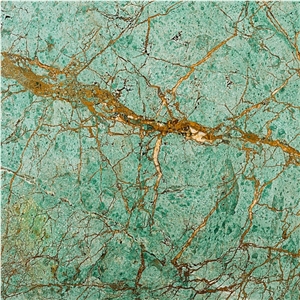
Canavese Azurro Granite

About
Item Details
- Material Type:
- Granite
- Origin:
Italy (Brosso, Cuorgnè, Provincia di Torino, Piemonte) - Primary Color(s):
- Blue
- Recommended Usage:
- Kitchen and bathroom countertops, monuments, building stone, ornamental stone, stairs, interior, exterior wall and floor applications, mosaic, waterjet pattern, wall panels, table tops, window sills, balustrades, columns, wall and pool copings, pool pavers, sculptures, fireplaces, pavers, cobbles, curbstone
- Additional Names:
- Blue Sky Granite, Granito Labradorite Azzuro, Granito Brosso Azurro, Canavese Blue Granite, Canavese Azurro Grigio Granite, Canavese Azurro
- Finished Surface:
- Polished,Flamed,Bush Hammered,Tumbled,Brushed,Honed,Split,Machine Cut,Natural Surface,Sandblasted,Acid Washing,Combed,Leathered,Water Jet,Filled,Chiseled,Pickling
Testing
- Density:
- 2850 Kg/m³
- Flexural Strength:
- 13.8 - 18.0 MPa
- Compressive Strength:
- 245.0 MPa
Description
Canavese Azzurro Granite is a distinctive natural stone from Italy, quarried specifically in Brosso, Cuorgnè, Provincia di Torino, Piemonte. This medium-grained crystalline granite is known for its sophisticated blue-gray to steel blue background and finely speckled pattern of lighter gray, silver, and occasional darker mineral grains. The tightly interlocked structure of quartz, feldspar, and mica crystals gives this granite its unique texture and appearance.
Physical and Mechanical Properties
- Water Absorption: Typically low water absorption, attributing to its low porosity.
- Density: Approximately 2850 Kg/m³.
- Flexural Strength: Ranges between 13.8 MPa and 18.0 MPa.
- Compressive Strength: Around 245.0 MPa.
- Hardness: Granite is inherently hard. While specific hardness is not provided, it is typically in the range conducive to use in high-traffic areas.
- Porosity: Very low, contributing to its durability and resistance to staining.
- Slip Resistance: Depends on the surface finish, but generally provides adequate slip resistance, especially in honed or textured finishes.
Chemical and Mineral Composition (% by weight)
- Quartz: Approximately 30-40%
- Feldspar: Approximately 50-60%
- Mica: Includes biotite and muscovite, around 5-10%
- Other Minerals: Small quantities of darker minerals and trace elements that add to its unique coloration.
Usage
- Interior Applications: Ideal for kitchen countertops, bathroom vanities, flooring, wall cladding, and fireplace surrounds due to its aesthetic appeal and durability.
- Exterior Applications: Suitable for facades, pavements, and outdoor kitchen countertops as it withstands environmental conditions.
- Commercial Spaces: Used in high-traffic areas like reception desks, bar tops, and flooring in commercial buildings.
Maintenance
- Cleaning: Use a neutral pH cleaner specialized for natural stone to avoid damage.
- Sealing: Periodic sealing recommended to enhance resistance to moisture and staining, especially on countertops.
- General Care: Avoid acidic or abrasive cleaners to maintain the stone's finish.
Available Common Surface Finish Options
- Polished: High-gloss finish that enhances the color and pattern, suitable for interior use.
- Honed: A matte finish that provides a more natural look with improved slip resistance, ideal for flooring.
- Leathered: Textured finish offering a unique tactile experience and increased surface traction.
- Flamed: Rough, textured finish suitable for outdoor applications where slip-resistance is important.
Canavese Azzurro Granite combines aesthetic appeal with robustness, making it a versatile and desirable choice for a variety of architectural and design applications.
FAQ
You should avoid using abrasive cleaners, scouring pads, or harsh chemicals on Canavese Azurro countertops. These can cause scratches, dull the surface, or damage the sealant. It is also recommended to avoid using vinegar, lemon juice, or any acidic cleaners, as they can etch the surface of the countertop. Instead, opt for mild dish soap and water or a pH-neutral stone cleaner specifically designed for natural stone countertops.
What is the difference between granite and labradorite?
Granite and labradorite are both types of natural stones commonly used in construction and decoration. However, they have distinct differences in terms of composition, appearance, and properties.
1. Composition: Granite is primarily composed of quartz, feldspar, and mica, which give it a granular texture and visible grains. In contrast, labradorite is a type of feldspar mineral and belongs to the plagioclase family, characterized by its iridescent play of colors called labradorescence.
2. Appearance: Granite often comes in a variety of colors, such as white, gray, black, pink, or green, with specks or veins of contrasting hues. Its appearance is generally more uniform and consistent, with occasional variations caused by different mineral content. Labradorite, on the other hand, displays a unique play of colors, typically in shades of blue, green, gold, and purple. This iridescence creates a vibrant and captivating effect.
3. Properties: Granite is known for its durability, hardness, and resistance to heat, making it suitable for various applications, including countertops, flooring, and outdoor cladding. It is less likely to scratch or chip and can withstand high temperatures. Labradorite, though not as hard as granite, is still relatively durable and suitable for many interior design applications. However, it is more known for its visual appeal and the phenomenon of labradorescence.
4. Use in Decor: Granite is widely used in kitchens, bathrooms, and high-traffic areas due to its durability and easy maintenance. It is popular for countertops, backsplashes, and flooring. Labradorite, on the other hand, is commonly used for decorative purposes, like wall cladding, accent pieces, or jewelry. Its unique play of colors adds an aesthetic and mystical touch to various design styles.
In summary, granite is a versatile and durable natural stone with a wide range of colors, while labradorite is a feldspar mineral famous for its iridescent play of colors. They differ in composition, appearance, and suitability for specific uses.
Can Italy's Canavese Azurro Granite be used in floor coverings?
Yes, Italys Canavese Azurro Granite can be used for floor coverings. Granite is a durable and hard natural stone that is commonly used in flooring applications due to its strength and resistance to wear. Canavese Azurro Granite, in particular, is known for its beautiful blue and gray coloration, which can add a unique and elegant look to any floor space.
Can Italy's Canavese Azurro Granite be used in a kitchen?
Yes, Italys Canavese Azurro Granite can be used in a kitchen. Granite is a popular choice for kitchen countertops due to its durability, heat resistance, and natural beauty. Canavese Azurro Granite features a blend of blue, grey, and white colors, making it a versatile option that can complement various kitchen designs.
Can Italy's Canavese Azurro Granite be used exterior applications in very humid climates?
Yes, Italys Canavese Azurro Granite can be used for exterior applications in very humid climates. Granite is a natural stone that is highly durable, resistant to moisture, and can withstand various weather conditions, including high humidity. It is a popular choice for outdoor applications such as cladding, paving, and landscaping. However, it is important to ensure that proper installation techniques and maintenance practices are followed to minimize the risk of any potential issues in the long term.
Can Italy's Canavese Azurro Granite be used outdoors?
Yes, Canavese Azurro Granite can be used outdoors. Granite is a highly durable and weather-resistant material, making it suitable for outdoor applications such as patios, pathways, pool surrounds, and outdoor kitchen countertops. However, it is always recommended to seal the granite to protect it from stains and ensure its longevity in outdoor environments.
How thick is Italy's Canavese Azurro Granite slabs?
I dont have access to the current stock of Italys Canavese Azurro Granite slabs. However, based on general industry standards, granite slabs are typically available in thicknesses ranging from 2cm (3/4 inch) to 3cm (1 1/4 inch). It is possible that Canavese Azurro Granite slabs may be available in either of these standard thicknesses.
What grade is Italy's Canavese Azurro Granite?
I dont have information on the grading system of Canavese Azurro Granite used in Italy. Please provide more context for me to provide a relevant answer.
Are there color variations of Italy's Canavese Azurro Granite?
I do not have access to information about current stock or inventory of specific granite types. However, it is possible for natural stone to have variations in color and pattern due to variations in the geological makeup of the area where the stone was quarried. It is always best to consult with a stone supplier or manufacturer for specific information about the color variations of a particular granite type.
Is Italy's Canavese Azurro Granite an expensive stone?
I dont have access to up-to-date market prices. However, in general, Canavese Azurro granite is considered a premium product and a high-end stone. The price mainly depends on factors such as the quality, size, thickness, and finish of the stone as well as the location and current market conditions.