Candi Jogja Black Basalt

About
Item Details
- Material Type:
- Basalt
- Origin:
Indonesia (Merapi mountain,Central Java) - Primary Color(s):
- Black
- Recommended Usage:
- kitchen and bathroom countertop, monuments, building stone, ornamental stone, stairs, interior, exterior wall and floor applications, mosaic, waterjet pattern, wall panels, table tops, window sills, balustrades, columns, wall and pool copings, pool pavers, sculptures, fireplaces, pavers, cobbles, curbstone
- Additional Names:
- Candi Jogja Black Lavastone, Candi Black Lavastone, Candi Jogja Black Lava Stone, Candi Black Lava Stone, Bali Black Basalt, Java Black Basalt, Batu Candi Basalt, Batu Candi lava Stone, Candi Jogja Black, Candi Jogja Black Basalt
- Finished Surface:
- Polished,Flamed,Bush Hammered,Tumbled,Brushed,Honed,Split,Machine Cut,Natural Surface,Sandblasted,Acid Washing,Combed,Leathered,Water Jet,Filled,Chiseled,Pickling
Testing
- Density:
- 2750 - 2850 kg/m³
- Flexural Strength:
- 8 - 12 MPa
- Compressive Strength:
- 160 - 180 MPa
- Stone texture:
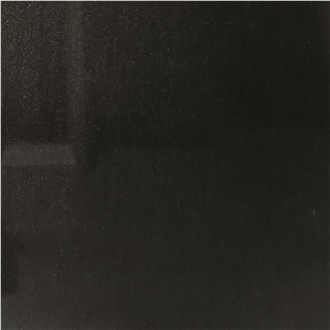
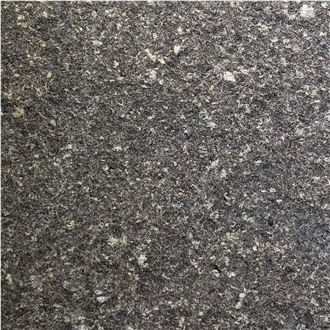
- a dark grey to solid black color (which deepens when wet) and a characteristic porous, vesicular texture with tiny cavity pores
Description
Candi Jogja Black Basalt is a unique natural stone quarried from the Merapi Mountain in Central Java, Indonesia. Its dark grey to solid black color, which intensifies when wet, makes it a popular choice for architectural and interior design applications. It features a distinctive porous, vesicular texture with tiny cavity pores, adding to its aesthetic and functional qualities.
Physical and Mechanical Properties:
- Water Absorption: Typically low, but the exact percentage depends on the density and porosity of specific samples.
- Density: Approximately 2.75-2.85 g/cm³. This reflects its solid and robust nature.
- Flexural Strength: Ranges from 8 to 12 MPa, indicating good resistance to bending forces.
- Compressive Strength: Between 160 to 180 MPa, demonstrating its ability to withstand heavy loads.
- Hardness: Generally falls between 6 and 7 on the Mohs scale, indicating good scratch resistance.
- Porosity: The porous nature is characteristic but typically comprises a minimal percentage that does not significantly impact performance.
- Slip Resistance: Offers good slip resistance when finished with a natural or honed surface, making it ideal for flooring and outdoor applications.
Chemical and Mineral Composition (% by weight):
- Silica (SiO2): 45-52% - contributes to the stone's hardness and durability.
- Alumina (Al2O3): 14-18% - aids in the stone's strength and resistance to weathering.
- Iron Oxides (Fe2O3): 8-12% - responsible for the characteristic dark color.
- Magnesium Oxide (MgO): 5-8% - enhances the stone’s toughness.
- Calcium Oxide (CaO): 6-12% - adds to the stone's durability.
- Sodium Oxide (Na2O) and Potassium Oxide (K2O): 2-5% - provide minor influence on the physical properties.
- Titanium Dioxide (TiO2): Approximately 1-2% - contributes slightly to the coloration.
- Other Trace Elements: Miscellaneous amounts of other trace minerals.
Usage:
- Indoor Applications: Flooring, wall cladding, countertops, and decorative elements. The dark color and unique texture make it a sophisticated choice for contemporary designs.
- Outdoor Applications: Paving, pool coping, and exterior wall cladding. It’s particularly valued for its weather resistance and slip-resistant properties.
- Landscaping: Can be used in garden paths, decorative stones, and as an accent in outdoor features.
Maintenance:
- Regular Cleaning: Clean regularly with pH-neutral cleaners to maintain its appearance.
- Sealing: Sealing may be required to enhance stain resistance, especially in high-traffic areas or where the stone is used as a countertop.
- Avoid Abrasives: Avoid using harsh chemicals or abrasive scrubbers to prevent surface damage.
Cutting Sizes (cm):
- Standard tiles: 30x30, 30x60, 60x60, and custom sizes available on request.
- Thickness typically ranges from 1 cm to 3 cm, depending on application requirements.
Available Common Surface Finish Options:
- Honed: A smooth, matte finish that is ideal for interior applications.
- Polished: Gives a glossy surface, although less common due to the stone's natural texture.
- Brushed: Retains some of the natural texture while providing a slightly more structured surface.
- Natural Split: Emphasizes the stone’s inherent roughness and texture, great for exterior applications.
- Sandblasted: A textured finish that enhances slip resistance, suitable for outdoor applications.
Candi Jogja Black Basalt is a versatile and aesthetically appealing material suitable for a variety of architectural projects, from modern minimalist designs to more traditional applications. Always consult with a professional to determine the best finish and size for the specific use to ensure optimal performance and longevity.
FAQ
Yes, Indonesias Candi Jogja Black Basalt can be used for exterior applications in very rainy climates. Basalt is a type of volcanic rock known for its durability, strength, and resistance to weathering. It is commonly used in construction projects, including outdoor applications such as paving, cladding, and landscaping.
The Candi Jogja Black Basalt is specifically quarried in the Jogja region of Indonesia, and its unique black color adds a visually appealing aspect to exterior designs. Its natural properties make it well-suited for rainy climates as it is resistant to water absorption and can withstand constant exposure to moisture. Additionally, its dense structure and low porosity help prevent water penetration and ensure the stone remains intact even in fluctuating weather conditions.
However, it is important to note that proper installation techniques and maintenance should be followed to ensure the longevity of the stone in any exterior application, especially in rainy climates. Regular cleaning and sealing can help further protect the basalt from any potential adverse effects of the climate.
Can Indonesia's Candi Jogja Black Basalt be used in a office?
Yes, Indonesias Candi Jogja Black Basalt can be used in an office setting. This type of basalt is known for its durability and elegant appearance, making it a suitable material for various purposes in an office. It can be used for flooring, walls, countertops, and other architectural features, adding a sophisticated touch to the office space. Additionally, black basalt is versatile and can be easily incorporated into different design styles, whether it be modern, contemporary, or traditional, making it a popular choice for office interiors.
Can Indonesia's Candi Jogja Black Basalt be used in floor coverings?
Yes, Indonesias Candi Jogja Black Basalt can be used in floor coverings. Basalt is a type of volcanic stone that is known for its durability and strength, making it suitable for use in flooring applications. The black color of the Candi Jogja Basalt can also create a sleek and modern look in interior designs. However, it is recommended to consult with a professional or supplier to ensure that the specific type of basalt being used is suitable for flooring and to obtain proper installation and maintenance guidelines.
What is the coefficient of friction of Water Jet Cut Indonesia's Candi Jogja Black Basalt tiles?
The coefficient of friction for Water Jet Cut Indonesias Candi Jogja Black Basalt tiles would depend on various factors such as the surface finish and texture of the tiles, as well as the environment in which they are installed.
To determine the exact coefficient of friction, it would be best to contact Water Jet Cut Indonesia or refer to their product specifications or technical documentation. They should be able to provide you with the relevant information specific to their Candi Jogja Black Basalt tiles.
Are there color variations of Indonesia's Candi Jogja Black Basalt?
Yes, there are some color variations of Indonesias Candi Jogja Black Basalt. While it is primarily known for its black color, there can be slight variations in shade and tone. Some stones may have a dark gray or charcoal hue, while others may have a deep, rich black color. Additionally, different processing techniques and finishes can also affect the appearance of the stone, resulting in variations in color and texture.
What is the average water absorption of Indonesia's Candi Jogja Black Basalt?
The average water absorption of Indonesias Candi Jogja Black Basalt can vary as it depends on the specific type and quality of the stone. Generally, volcanic basalt rocks like Candi Jogja Black Basalt have a low to moderate water absorption rate. On average, it can range from 2% to 5%. However, it is recommended to consult with a supplier or manufacturer to obtain the specific water absorption rate for the particular type of Candi Jogja Black Basalt you are interested in.
Can Indonesia's Candi Jogja Black Basalt be used outdoors?
Yes, Indonesias Candi Jogja Black Basalt can be used outdoors. Basalt is a natural stone that is known for its durability and resistance to weathering, making it suitable for outdoor applications. It can be used for various outdoor purposes such as paving, cladding, landscaping, and the construction of outdoor structures like walls and pillars. However, it is important to note that the specific usage and installation requirements may depend on factors such as the climate and the intended use of the stone. Consulting with a professional or supplier for specific recommendations is advisable.
What grade is Indonesia's Candi Jogja Black Basalt?
There does not appear to be a specific grading system for Indonesias Candi Jogja Black Basalt. The grade of a natural stone typically depends on factors such as color, texture, durability, and availability, which can vary among suppliers. It is recommended to contact specific suppliers or manufacturers for information on the grading of Candi Jogja Black Basalt.
Is Indonesia's Candi Jogja Black Basalt an expensive stone?
I dont have access to current market prices or fluctuations. However, black basalt can generally be considered a relatively expensive stone due to its durability, hardness, and unique visual appeal. Additionally, the cost of the stone may vary depending on factors such as location, size, rarity, and level of craftsmanship required to produce it.


2YR